Starbucks delays deforestation-free coffee and cocoa goal to 2026
Starbucks pushed its deforestation-free coffee and cocoa deadline back one year, even as it touts 100 million trees, $100.1 million in farmer loans and 99.15% C.A.F.E. coverage.
Starbucks’ fiscal 2025 Global Impact Report moved its deforestation- and conversion-free target for strategically sourced coffee and cocoa to the end of 2026, a one-year delay from the December 31, 2025 deadline it had set in an August 18, 2025 statement. The pledge still covers coffee and cocoa bought through direct or directed-buy models for core products and handcrafted beverages, so the change reaches into the sourcing promise behind drinks served in Starbucks stores.
The timing shift sits beside a sustainability ledger Starbucks clearly wants customers and suppliers to notice. The company says it hit its 2017 goal to distribute 100 million coffee trees by the end of 2025, with trees grown from varietals selected for performance in climate-adverse conditions and donated to farmers in El Salvador, Guatemala and Mexico. It also says it has deployed more than $100.1 million in cumulative loans through the Global Farmer Fund, a financing goal first set in 2015, and that 99.15% of its coffee in fiscal 2025 came from farms and supply chains meeting C.A.F.E. Practices standards.
Starbucks is keeping other climate and packaging goals in play. Its report says the company has invested $200 million in coffee sustainability overall and still aims to reduce virgin plastics in packaging by 5% by 2030 from a 2019 baseline. C.A.F.E. Practices remains the cornerstone of its coffee sourcing, which means the revised deforestation timeline does not replace the company’s existing procurement system. It does, however, buy Starbucks another year to align that system with the traceability, monitoring and certification approach it said it was using when it first framed the deforestation pledge.
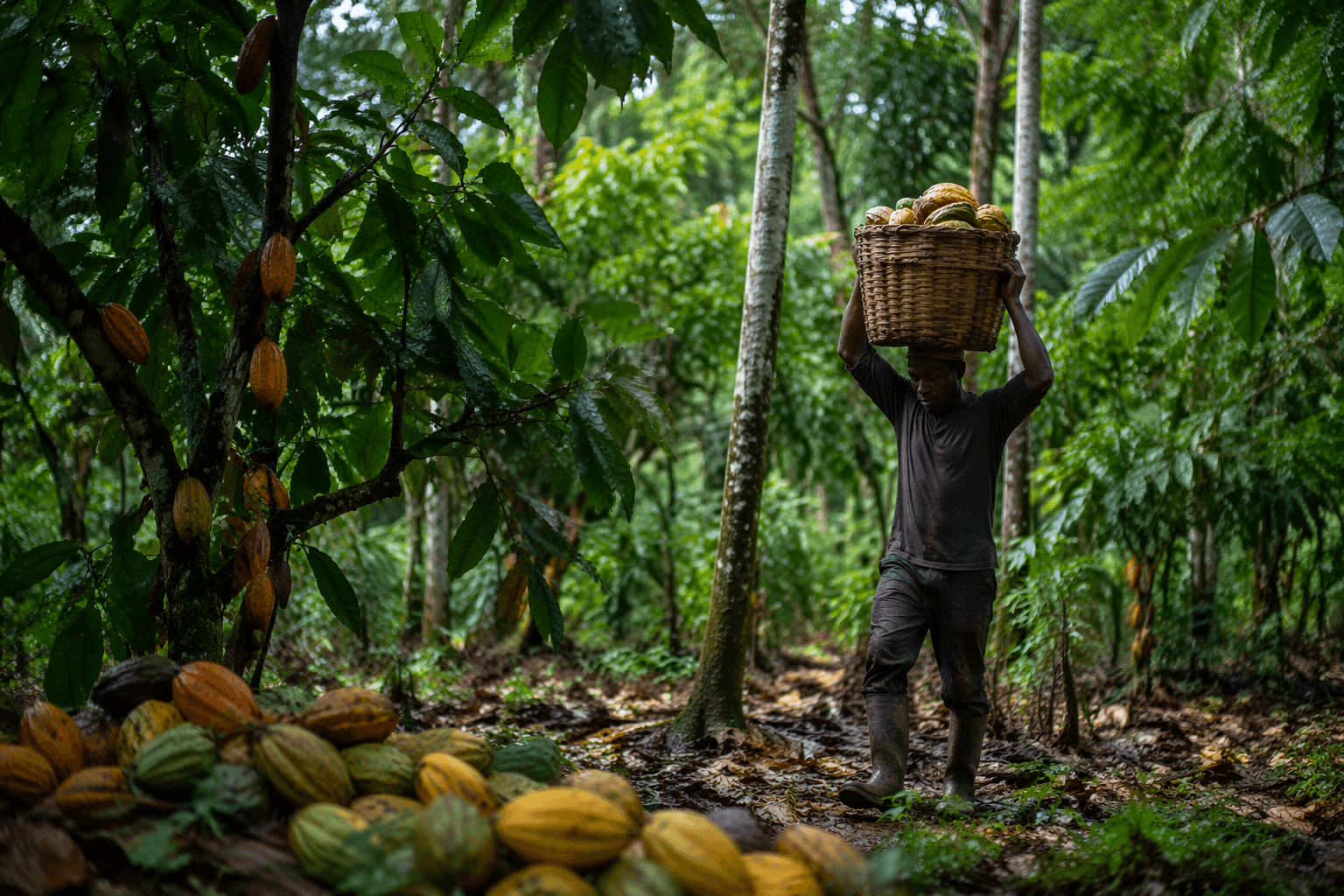
The extra year matters because the company’s coffee and cocoa footprint stretches well beyond a single farm program. A sustainability trade publication says Starbucks sources Arabica green coffee beans from Brazil, Colombia, Costa Rica, Ethiopia, Honduras, Indonesia, Nicaragua and Vietnam, while Starbucks’ cocoa materials point to a wider forest-protection network built around traceability and responsible purchasing. Its Cocoa & Forests Initiative materials also tie that work to the governments of Côte d’Ivoire and Ghana and 35 leading cocoa and chocolate companies representing 85% of global cocoa usage. Starbucks can point to trees, loans and sourcing standards, but the deadline shift makes the tradeoff plain: the climate pledge is still standing, just with more time on the clock.
This article was produced by Prism’s automated news system from verified source data, official records, and press releases, then run through automated quality and moderation checks before publishing. The system is built and supervised by the people who set the standards it runs under. Read our full AI policy.
Did this article answer your question?