Starbucks Korea leans on value and experience to defend premium brand
Starbucks Korea is trying to protect its premium edge with loyalty discounts, localized stores and digital convenience as budget chains outnumber premium rivals.
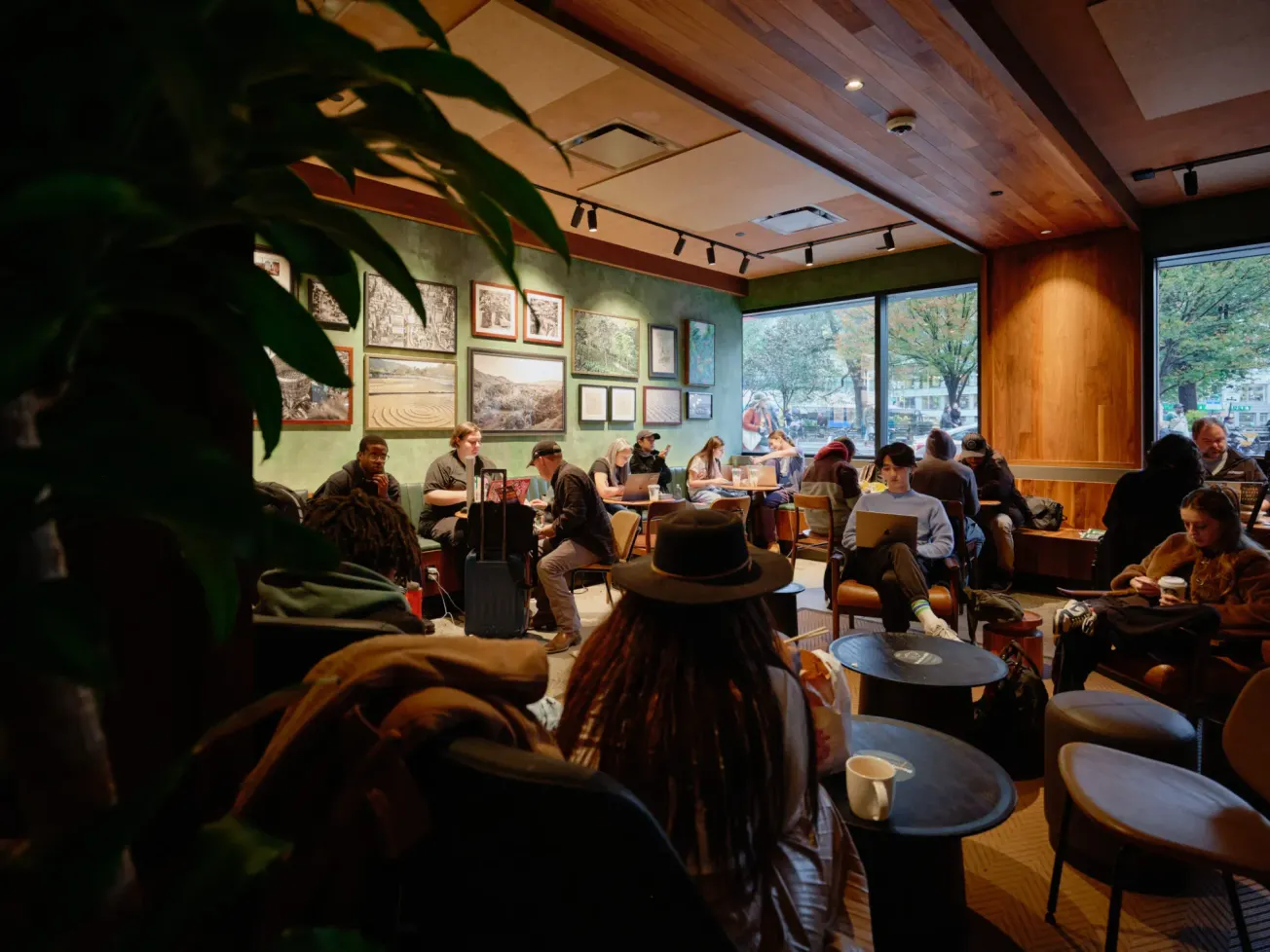
Cheap coffee chains have forced Starbucks Korea into a delicate balancing act, and the pressure was clear on April 7: it cannot win a price war with Mega MGC Coffee, Compose Coffee, Paik’s Coffee and The Venti, so it is leaning harder on value, convenience and store experience instead.
That strategy makes sense in South Korea’s hyper-competitive coffee market. Annual per-capita coffee consumption hit 416 cups in 2024, the highest in Asia, while the number of coffee shops passed 100,000 by mid-2024 as low-cost franchise brands kept expanding. In that environment, Starbucks Korea is not just selling drinks. It is trying to prove that premium still means something to customers who can get a cheaper iced Americano almost anywhere.
The clearest sign of that shift came with Buddy Pass, a subscription trial launched in September 2024 for Starbucks Korea’s 13 million Rewards members. For ₩9,900 a month, the pass offered a daily 30% discount on barista-prepared beverages after 2 p.m., along with added savings on food and delivery. It was a notable move for a brand built on premium positioning, but also a practical response to discounters that have trained consumers to expect lower prices on everyday coffee.
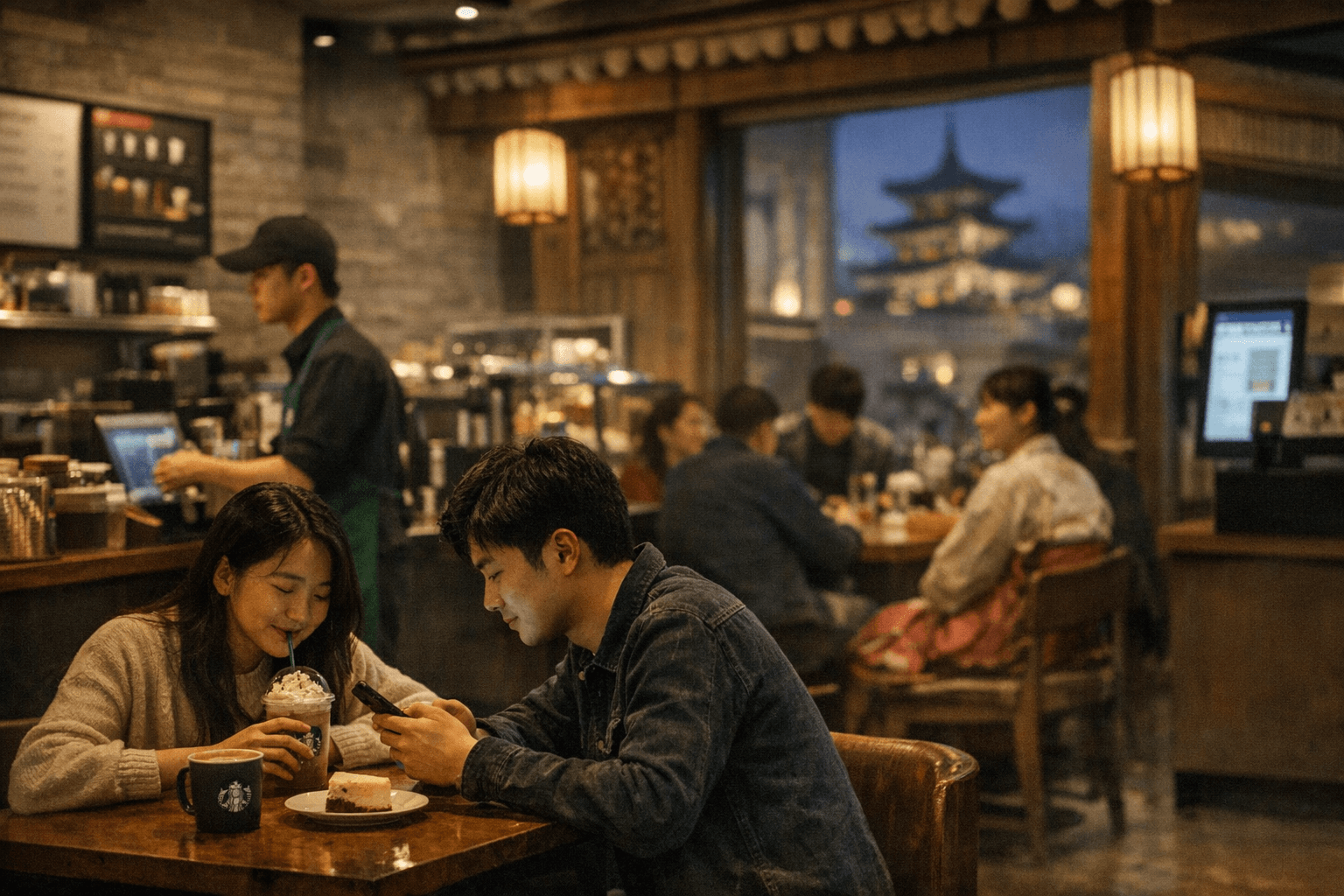
Starbucks Korea has paired that value play with more experience-driven tactics. The company has long used differentiated specialty and Reserve-style stores, Korea-only drinks and local store designs to separate itself from the pack. Siren Order, its mobile ordering system, first launched in South Korea in 2014, giving the chain an early edge in convenience. In 2024, Starbucks also reopened its first Korea store near Ewha Womans University with exclusive merchandise and tumbler engraving, turning a historic location into a more customized, souvenir-friendly destination.
The financial stakes are real. One 2024 report said Starbucks Korea’s operating margin fell from 10% in 2021 to 4.7% in 2022, then improved slightly to 5.1% in the first half of 2024. A 2025 report said the five leading budget chains operated about 11,000 stores combined, compared with about 4,800 for five major premium chains including Starbucks. That gap shows why Starbucks Korea is using loyalty mechanics and localized experiences instead of chasing the cheapest cup on the street.
Starbucks entered South Korea in 1999 near Ewha Womans University, and the market has only become tougher since then. The company’s challenge now is to keep customers feeling that premium coffee is worth paying for, even as discount brands keep resetting the baseline.
This article was produced by Prism’s automated news system from verified source data, official records, and press releases, then run through automated quality and moderation checks before publishing. The system is built and supervised by the people who set the standards it runs under. Read our full AI policy.
Did this article answer your question?