Starbucks Korea names new CEO after AI marketing backlash
Starbucks Korea promoted Shin Dong-woo three weeks after firing its CEO, betting a store-level reset can cool the Tank Day backlash.
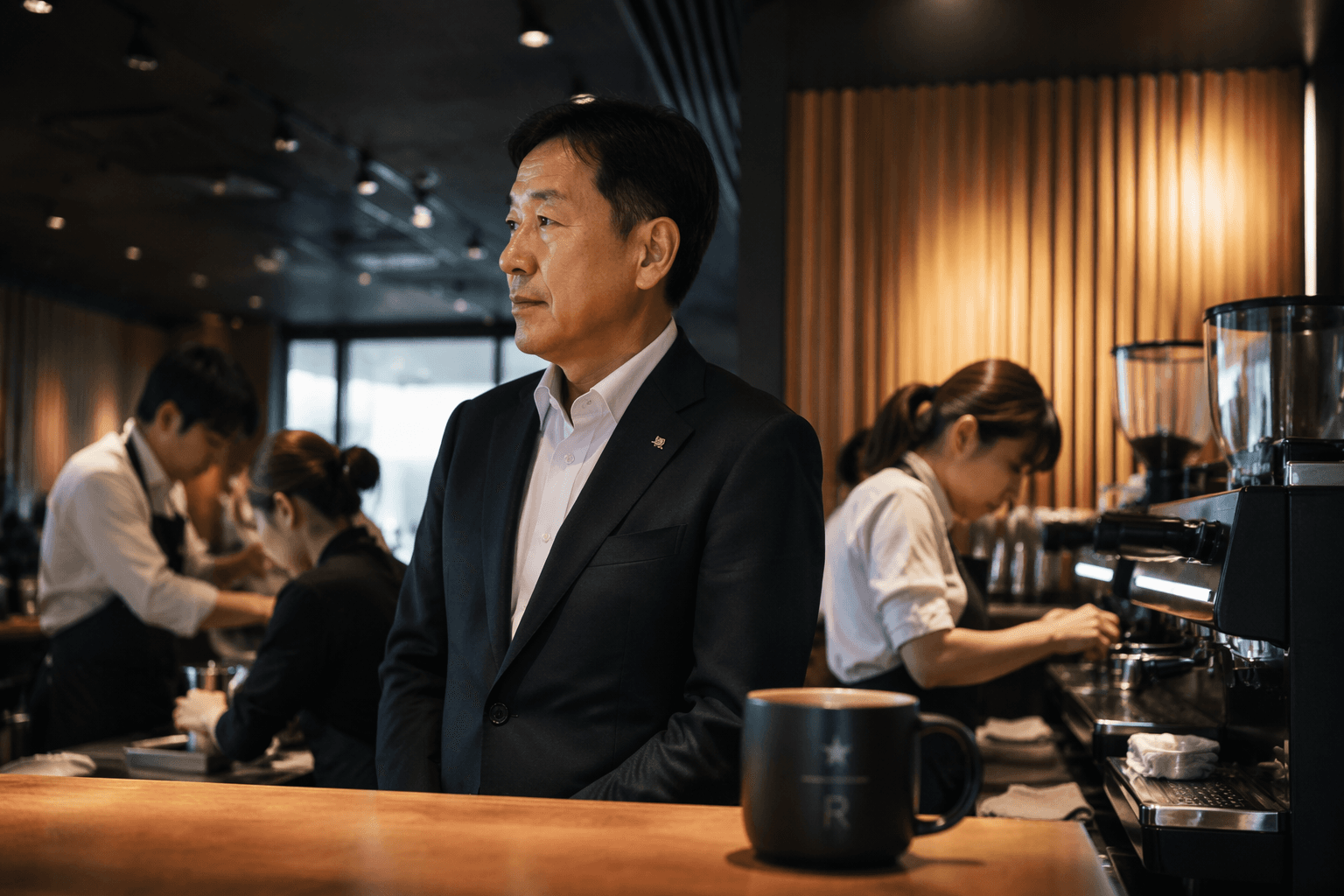
Starbucks Korea is trying to repair trust where customers actually feel it, in stores, on cups, and in the campaigns that frame the brand. Shin Dong-woo, promoted by Shinsegae Group into the top job, now has to steady the message after an AI-assisted marketing blunder turned a coffee promotion into a cultural flashpoint.
Shinsegae, which licenses Starbucks in South Korea, elevated Shin from head of its property division only three weeks after dismissing the previous CEO, Son Jung-hyun. The company is trying to draw a hard line under Tank Day, the campaign that helped trigger the backlash and forced Starbucks headquarters to treat the episode with utmost seriousness. Internal review findings said the work lacked social and historical sensitivity, a damaging failure in a market where brand tone can matter as much as the drink in the cup.

The uproar spread fast because the campaign did more than miss the mark. It used AI to help develop promotional materials, and the imagery and language were widely seen as invoking South Korea’s painful political history. The controversy landed especially hard because it was tied to the anniversary of the 1980 Gwangju uprising, a date loaded with democratic memory and public grief. That made this more than a bad ad. It became a test of whether a global coffee chain could understand the cultural weight of its own messaging in one of its most visible Asian markets.
The stakes are unusually high because Starbucks Korea is one of the company’s largest markets worldwide. A crisis at that scale reaches beyond sales and into brand equity, partner relationships, and the approval systems that are supposed to catch problems before they go live. Shinsegae’s decision to move quickly suggests it wants customers to see a reset not just in the executive suite, but in the way campaigns are reviewed, cleared, and carried into stores.
That kind of rapid response fits a familiar South Korean consumer-brand playbook: apologize, replace leadership, tighten controls, and try to prove the mistake was an exception rather than a pattern. For Starbucks Korea, the challenge is sharper because the damage came from a patriotic image campaign built with AI, a reminder that automation cannot cover for weak cultural judgment. The next phase will be judged less by the title on the office door than by whether the brand can speak to customers with more care the next time it asks for their attention.
This article was produced by Prism’s automated news system from verified source data, official records, and press releases, then run through automated quality and moderation checks before publishing. The system is built and supervised by the people who set the standards it runs under. Read our full AI policy.
Did this article answer your question?