Starbucks scraps AI inventory tool after store counting errors
Starbucks cut loose its AI inventory system after miscounts and mislabeled items, a rollback that exposes how hard coffee automation is to trust on the floor.
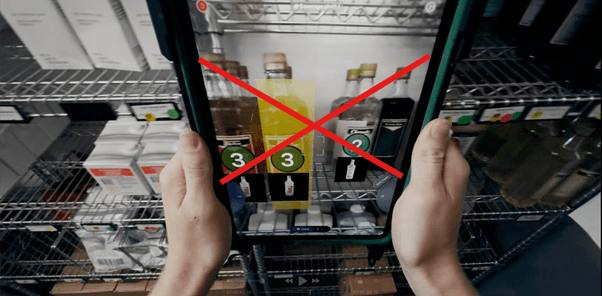
Starbucks has scrapped a worker-facing AI tool it used to automate inventory counts across North America after the system kept tripping over the basics, from confusing milk types to missing items like peppermint syrup bottles.
The rollback landed about nine months after the company pushed the NomadGo Inventory AI into more than 11,000 locations, a rollout meant to cover every company-operated coffeehouse by the end of September 2025. The system used computer vision, 3D spatial intelligence and augmented reality on smartphones and tablets, and NomadGo said it could make counts up to eight times faster than manual checks while claiming 99% accuracy. In practice, the tool became another reminder that speed means little if the count is wrong.

Starbucks built the push around a bigger operational goal under CEO Brian Niccol: cut product shortages and tighten store execution after a stretch of weak sales. The company had spent months wrestling with inventory headaches that went beyond the app on a tablet. Reuters reported in January 2026 that Starbucks had shortages of milk, pastries and cup lids, and that the problem ran deep inside the supply chain. The company had also gone through six straight quarters of declining U.S. sales before reporting flat U.S. sales in October 2025.
That pressure helps explain why inventory accuracy became such a high-stakes experiment. Starbucks had said at launch that the technology would streamline a critical, time-intensive task and give partners more time for beverages and customers. But the system’s failures undercut the promise. Reuters said it miscounted or mislabeled items often enough to make daily use unreliable, and cited one example in which it failed to recognize a peppermint syrup bottle while counting the shelf around it.
The company now says it is standardizing how inventory is counted across coffeehouses while continuing to focus on consistency and execution at scale. It is also leaning harder on more frequent daily replenishments and broader supply-chain fixes, a sign that the answer for now is process discipline rather than another software upgrade.
For coffee retail, the lesson is blunt. AI still looks attractive for the dull, labor-heavy work of counting milk, syrups and lids, but the floor test is unforgiving. When a system cannot reliably tell one bottle from the next, it stops being a labor saver and becomes another variable in a business where drink consistency, stocked shelves and partner trust all depend on getting the count right.
This article was produced by Prism’s automated news system from verified source data, official records, and press releases, then run through automated quality and moderation checks before publishing. The system is built and supervised by the people who set the standards it runs under. Read our full AI policy.
Did this article answer your question?