World Barista Championship updates rules for 2026 Panama event
Tiny rule tweaks, from judge water to spoonless evaluation, will shape the 2026 World Barista Championship in Panama and the gear baristas train on.

The Specialty Coffee Association has sharpened the rulebook for the 2026 World Barista Championship, and the changes go straight to the details competitors feel on stage: the water judges drink, the wording around signature beverage espresso shots, and how drink evaluation works when baristas choose not to use spoons. Those adjustments will be in force when the championship lands at World of Coffee Panama from October 22 to 25, 2026, at the Panama Convention Center, the first World of Coffee trade show ever held in Central America.
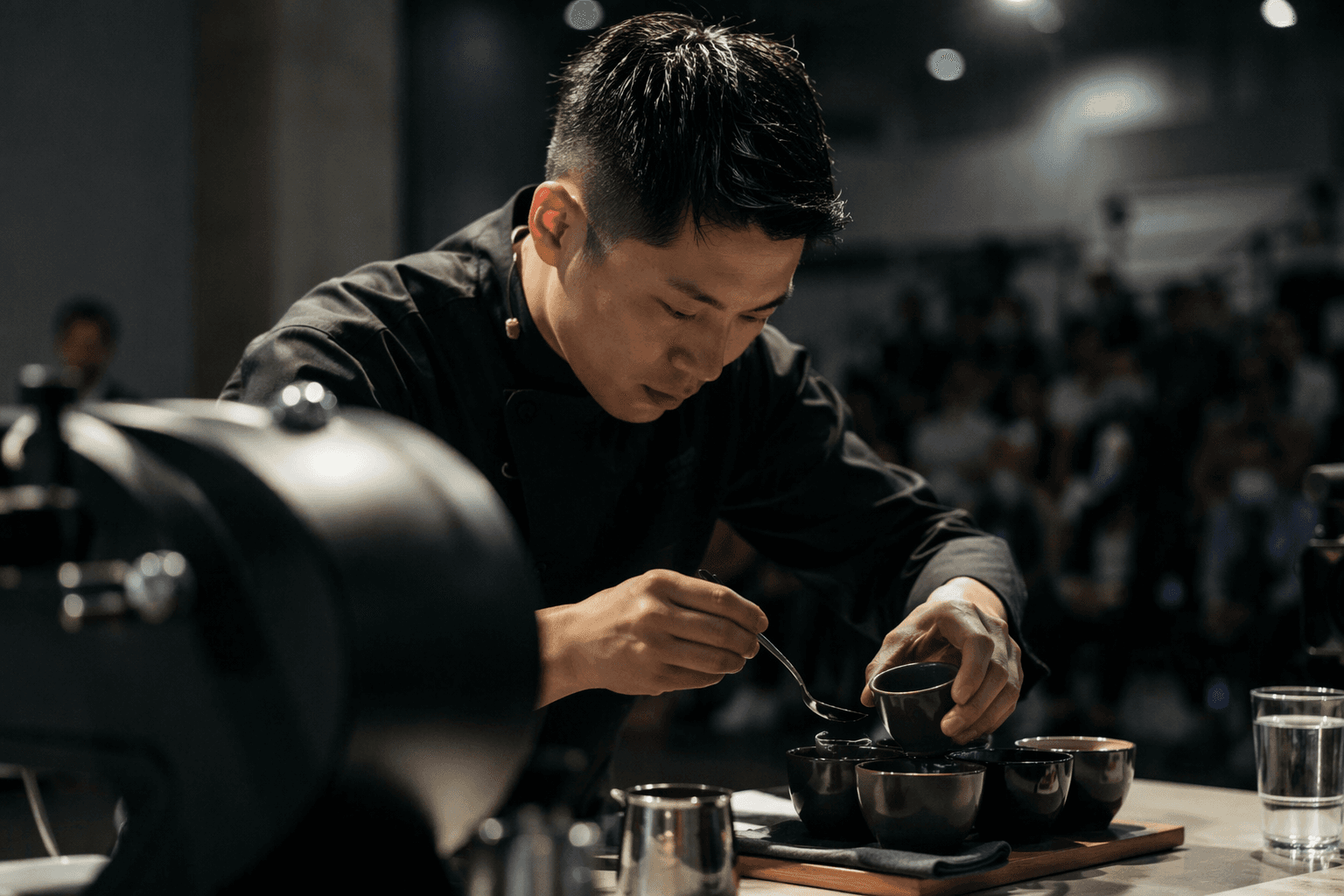
That matters because this is not a loose tasting event. The World Barista Championship is now in its 26th year, and the format remains brutally exacting: each competitor gets 15 minutes to serve four espressos, four milk-based drinks and four signature beverages, while judges score taste, cleanliness, creativity, technical proficiency and overall presentation. In a contest built on speed and precision, even a small clarification can change how baristas dial in recipes, sequence service and plan the presentation they rehearse for months.
One of the biggest equipment shifts is on grinders. Ceado has been named the qualified espresso grinder sponsor for the 2026-2027 World Barista Championship, and at the Panama event competitors will work with two approved models, the REV Zero and the E37Z-Naked. Baristas may use up to two grinders, including personal grinders, but only if those personal machines match the approved models and keep their original parts. Every grinder will be inspected and sealed before competition, a move that strips away hardware gamesmanship and pushes the contest back toward grind consistency, workflow and cup quality. Ceado has described the REV Zero as a continuous-workflow, low-retention grinder and the E37Z-Naked as a single-dose, low-retention grinder, the kind of spec-sheet language that immediately tells competitors how they will have to build their bars.
The Panama event also sits inside a wider 2026 World Coffee Championships season that stretches from Dubai to San Diego, Bangkok and Brussels before arriving in Panama for the barista title. That broader calendar shows how much these rule changes matter beyond one stage: they shape judging habits, competition prep and the equipment choices that spill into cafés and training labs long after the trophies are handed out. When the world’s best baristas line up in Panama, the difference between a smooth run and a costly mistake may come down to the kind of tiny procedural changes that only look minor until the timer starts.
Know something we missed? Have a correction or additional information?
Submit a Tip