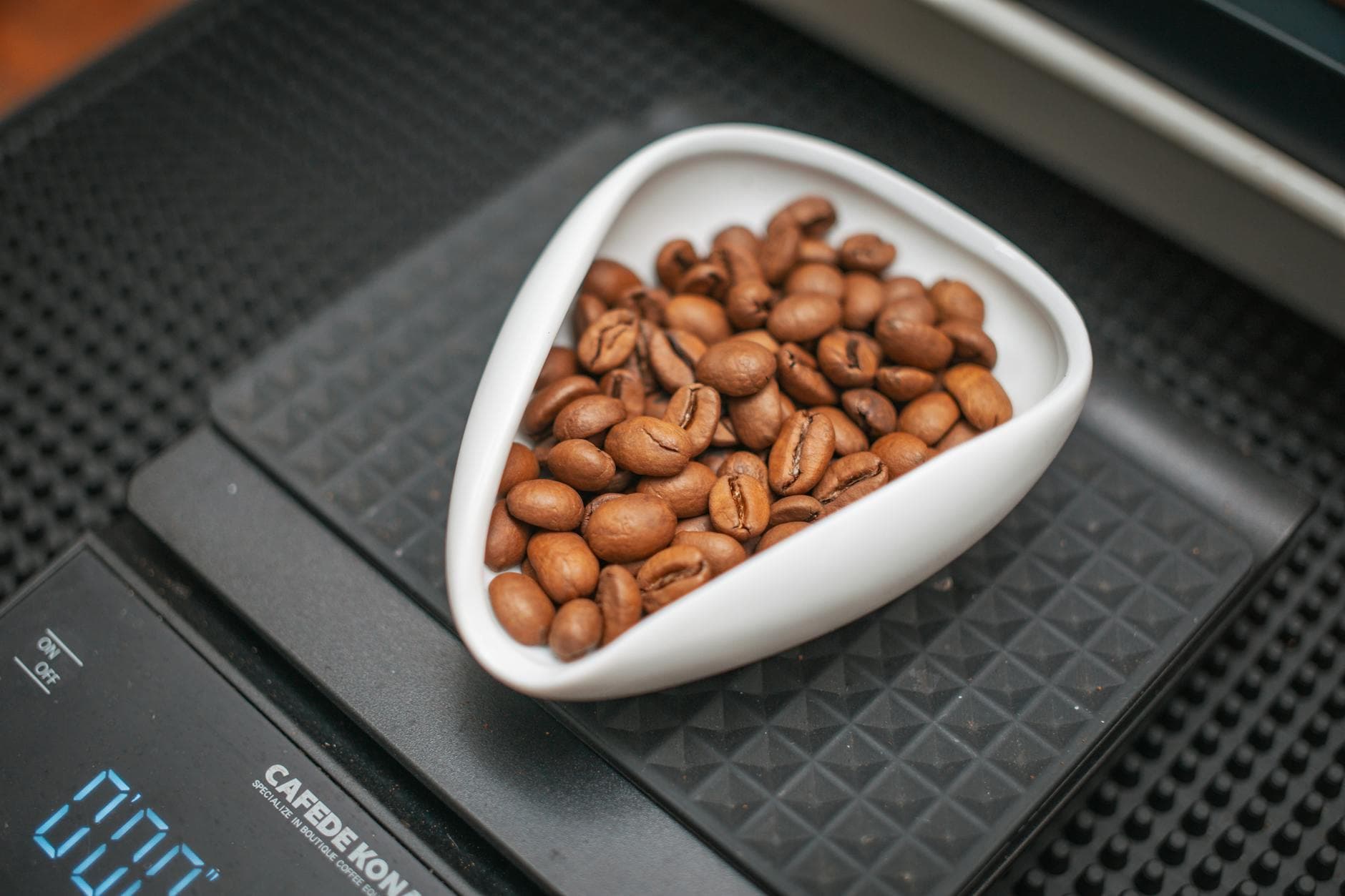
World Coffee Research highlights climate-resilient varieties in 2025 report
World Coffee Research said its 11-country breeding push could shape what lands in the cup by the late 2020s and beyond. Peru and Uganda are now the clearest test cases.

The next big shift in coffee may come less from a breakthrough roast than from what gets planted in the field. World Coffee Research used its 2025 annual report to show that climate resilience is moving from theory to infrastructure, with breeding, nurseries and seed systems becoming the real bottleneck between promising genetics and the coffees people will actually brew over the next decade.
The organization said 2025 brought major progress across four program areas, breeding, trials, nursery and global leadership. Its report was released in English and Spanish, with a Japanese translation planned, and CEO Dr. Jennifer “Vern” Long described the work as building the “genetic infrastructure” of a more than $200 billion global coffee industry. More than 200 companies in 30 countries are now backing that effort, a sign that the industry is treating adaptation as a supply issue, not a side project.
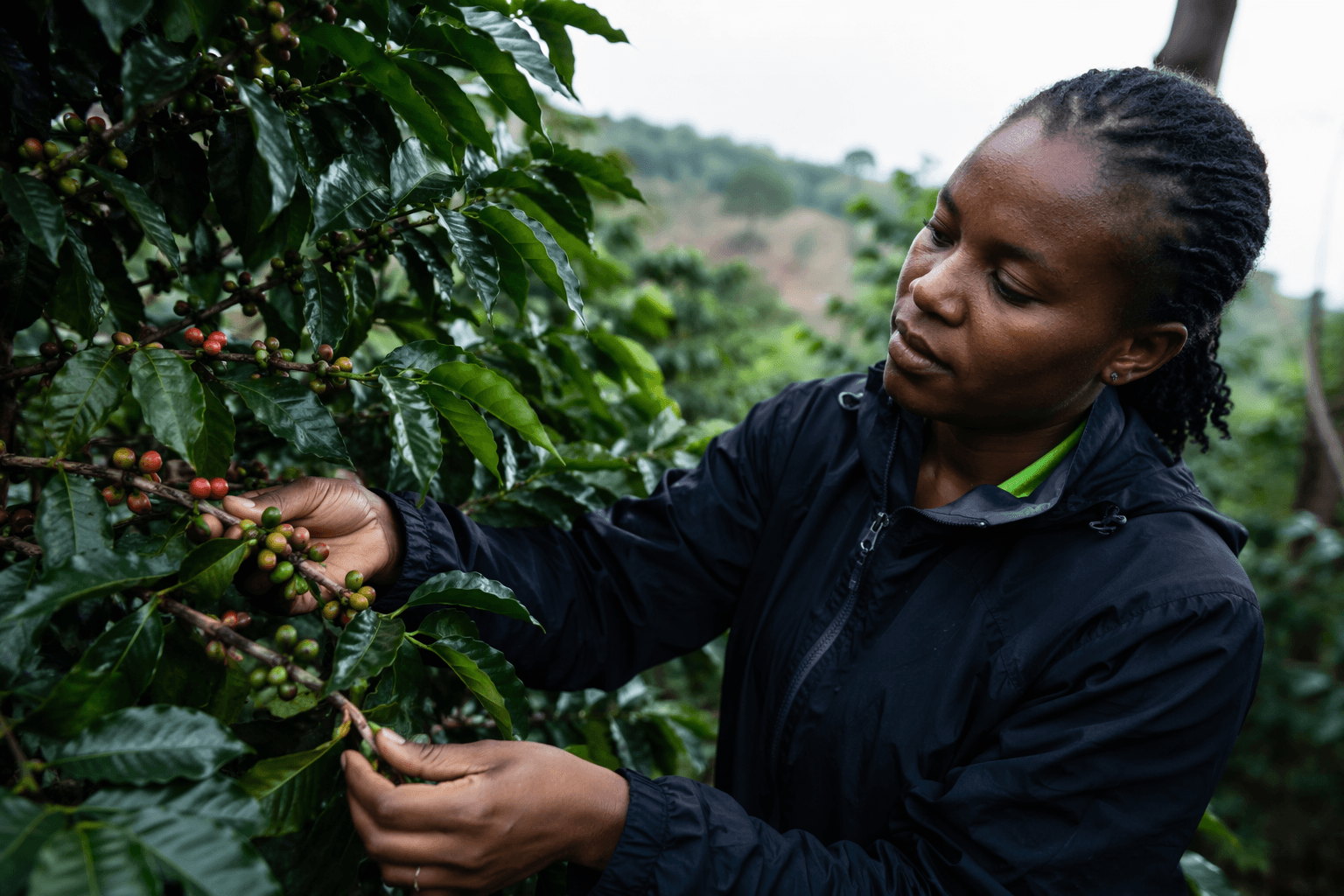
The clearest signal is Innovea, World Coffee Research’s global breeding network formed in 2022. TIME named it one of its Best Inventions of 2025, and the magazine said breeding trials were underway in nine countries, while farmers may not see the new varieties until 2037. That timeline is the reality check in all of this: even when the science moves, coffee still has to move through years of selection, propagation and field testing before it reaches retail bags.
World Coffee Research said Innovea expanded into robusta breeding in 2025 with Vietnam and Ghana added as national collaborators, bringing the partnership to 11 countries that together produce 40% of the world’s coffee supply. The robusta partners alone account for 64% of global robusta production. The group also pointed to its 10-year anniversary of the International Multilocation Variety Trial, the long-running test that helps identify which varieties can handle real growing conditions instead of just greenhouse optimism.
The practical side is already showing up in countries that matter to the trade. In Peru, World Coffee Research installed 10 new Arabica seed lots of IPR 107 and Paraneima with eight local partner organizations, varieties flagged as top performers in the International Multilocation Variety Trial. In Uganda, it installed 15 mother gardens and nurseries of disease-resilient Robusta with NaCORI. A May 22 report said Peru’s seed system work could yield 6 million seeds annually by 2028, while Uganda’s robusta gardens could produce 560,000 quality trees a year.
That is the future-in-the-cup story here. If World Coffee Research’s breeding pipeline keeps advancing, the coffees of the next decade may owe their price stability and flavor reliability as much to Peru’s seed lots and Uganda’s nurseries as to anything happening in a roastery.
Know something we missed? Have a correction or additional information?
Submit a Tip