Wyoming startup Pipp unveils versatile brewer for coffee and tea
From Pinedale, Pipp debuts a brewer that aims to handle espresso, tea and immersion coffee from one platform, testing whether versatility can beat specialization.
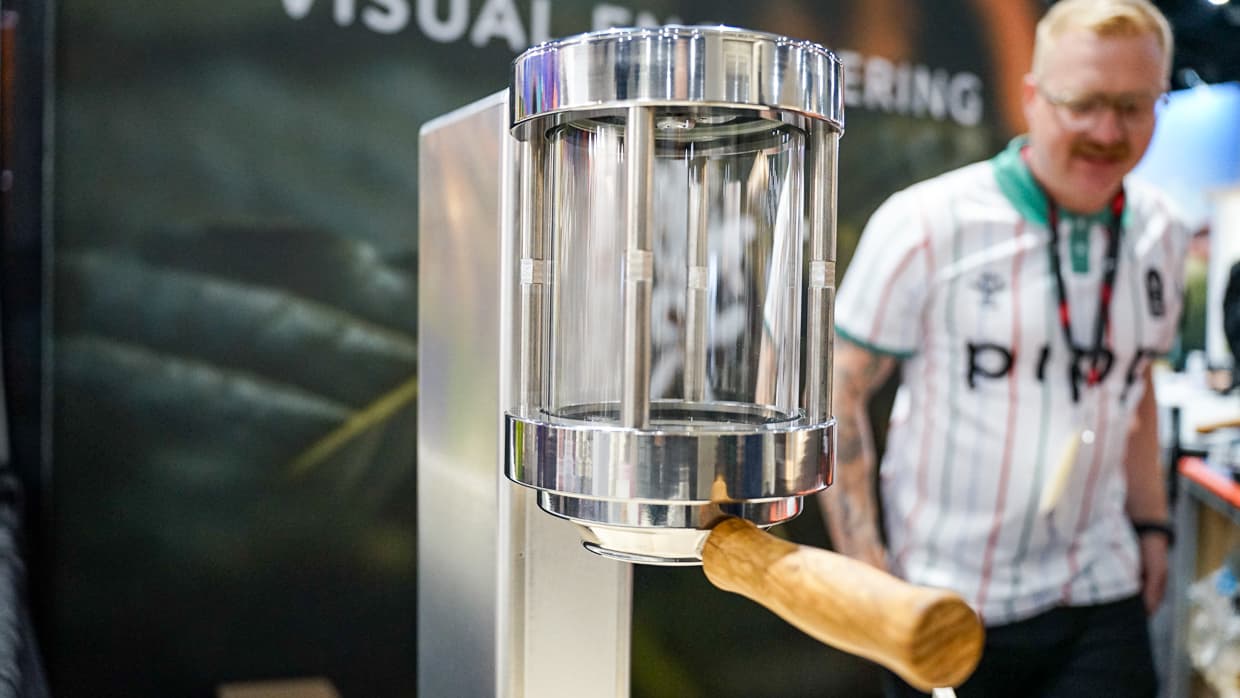
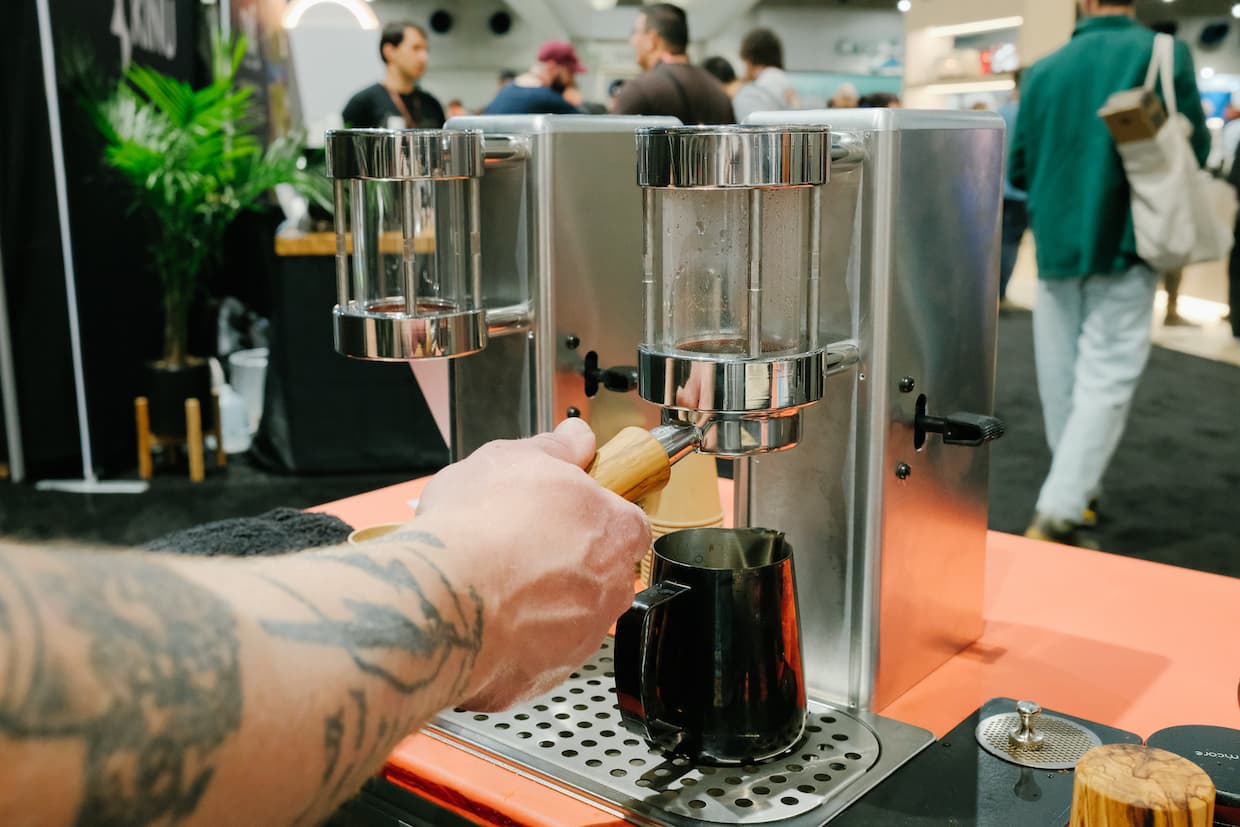
A western Wyoming startup is betting that café operators want one brewer that can do more than drip. Pipp, a new commercial system from Cody Hamilton of Pine Coffee Supply and Visual Engineering, was built to handle espresso, tea, immersion coffee and other brew styles from a single platform, with the name itself standing for Percolation, Immersion and Positive Pressure.
The first machines in the line, the Pipp 01 single-cup brewer and the Pipp 64 batch brewer, were introduced at World of Coffee San Diego, where Visual Engineering showed the system at Booth 3918 in the Brewing & Grinding Equipment category. That was a useful place to make the pitch. The show drew more than 15,000 attendees from over 90 countries, and the floor was crowded with gear aimed at faster service, more programmable control and broader beverage menus.
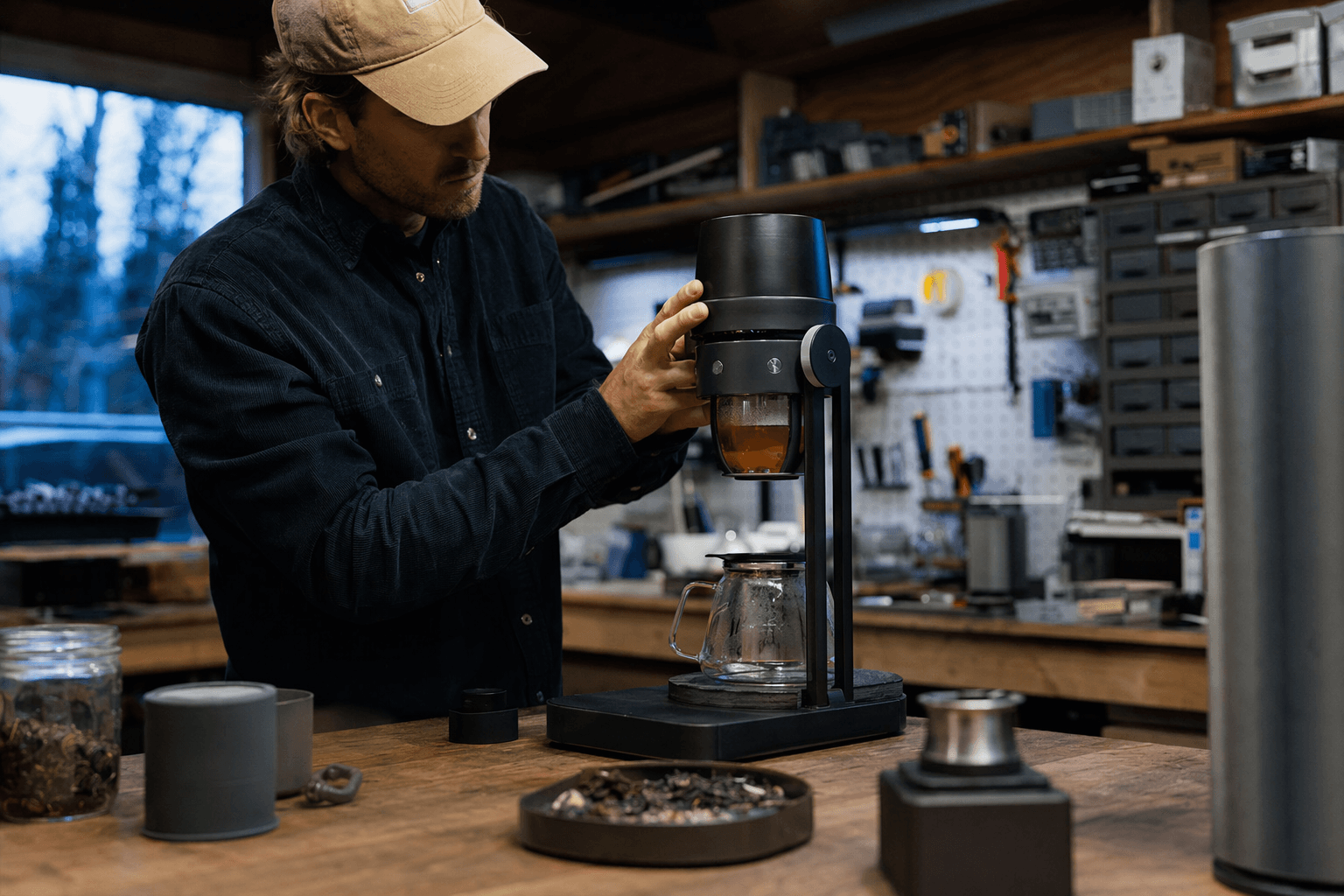
That is exactly where Pipp is trying to land. Café menus keep stretching beyond a straightforward brewed-coffee program, and operators are looking for ways to serve tea, specialty drinks and espresso-style beverages without turning the bar into a museum of single-purpose machines. If Pipp can genuinely switch between brew methods while staying consistent, it could cut countertop clutter, simplify training for new staff and give cafés a more flexible way to stage drinks in front of guests.
The project also has a distinct operator’s perspective behind it. Pine Coffee Supply was founded in July 2017 in Pinedale by Jim and Cody Hamilton, started with a single 1-kilo roaster and expanded to a 10-kilo setup in 2019. The company later opened a Boise, Idaho location in 2023. That path helps explain why a multi-method brewer would come from this corner of the specialty world: it comes from people who have lived with retail constraints, not just equipment specs on a drawing board.
Still, the broader market is moving fast, and versatility alone will not guarantee a place on the bar. Recent competition coverage showed that four of nine 2025 World Brewers Cup finalists used hybrid brewers, and other San Diego exhibitors were also pushing programmable systems for coffee, tea and cold beverages. That makes Pipp’s real test plain enough: whether it can deliver the speed, range and visual theater of several different machines without giving up the precision that single-purpose brewers still do best. For cafés deciding what earns counter space, that balance will matter more than the promise of an all-in-one box.
This article was produced by Prism’s automated news system from verified source data, official records, and press releases, then run through automated quality and moderation checks before publishing. The system is built and supervised by the people who set the standards it runs under. Read our full AI policy.
Did this article answer your question?