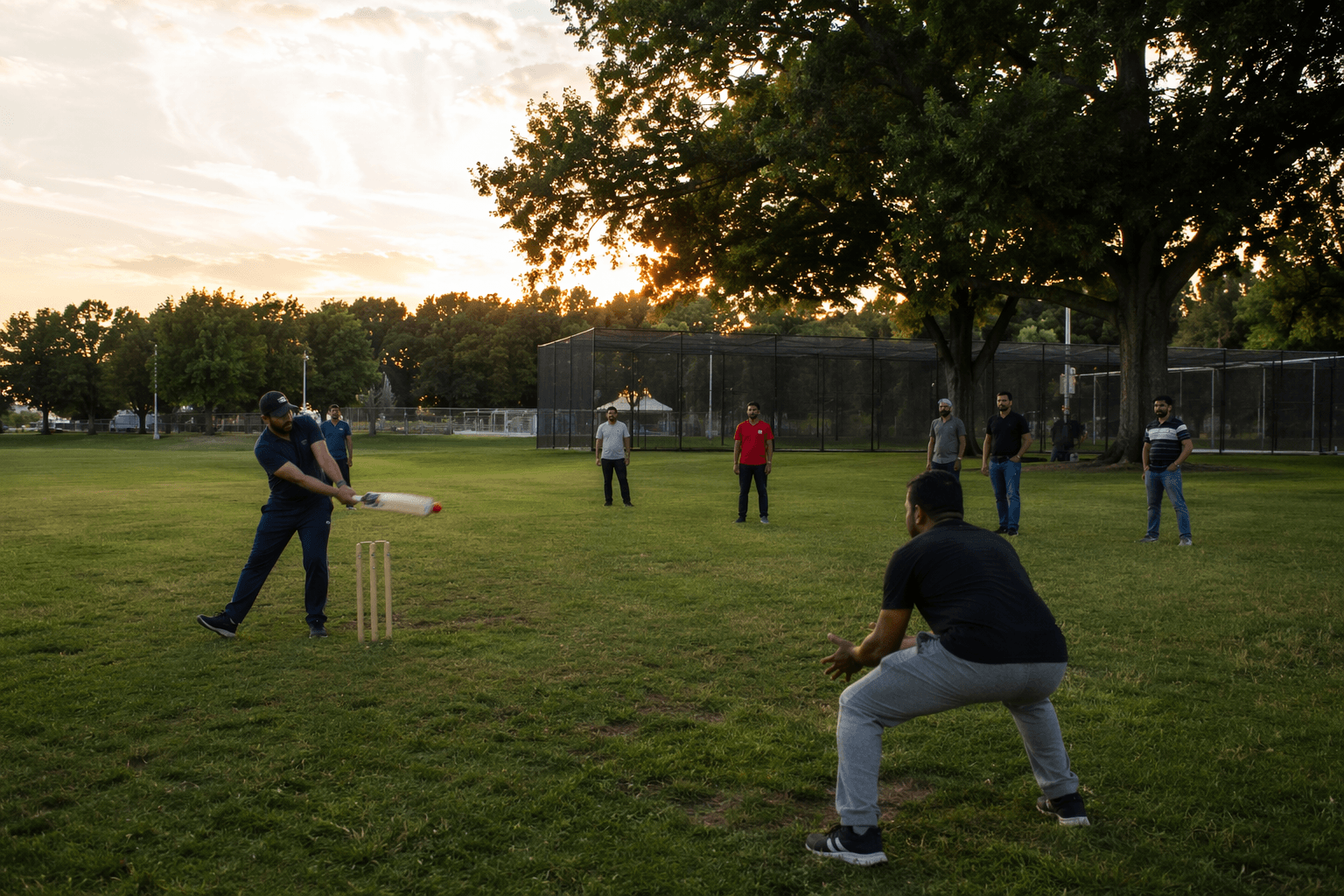
USA Cricket membership page maps path for Missouri clubs and leagues
Missouri cricket groups can now see the official route in plain terms: 12 aligned players can ground a club, and three aligned clubs can build a league.
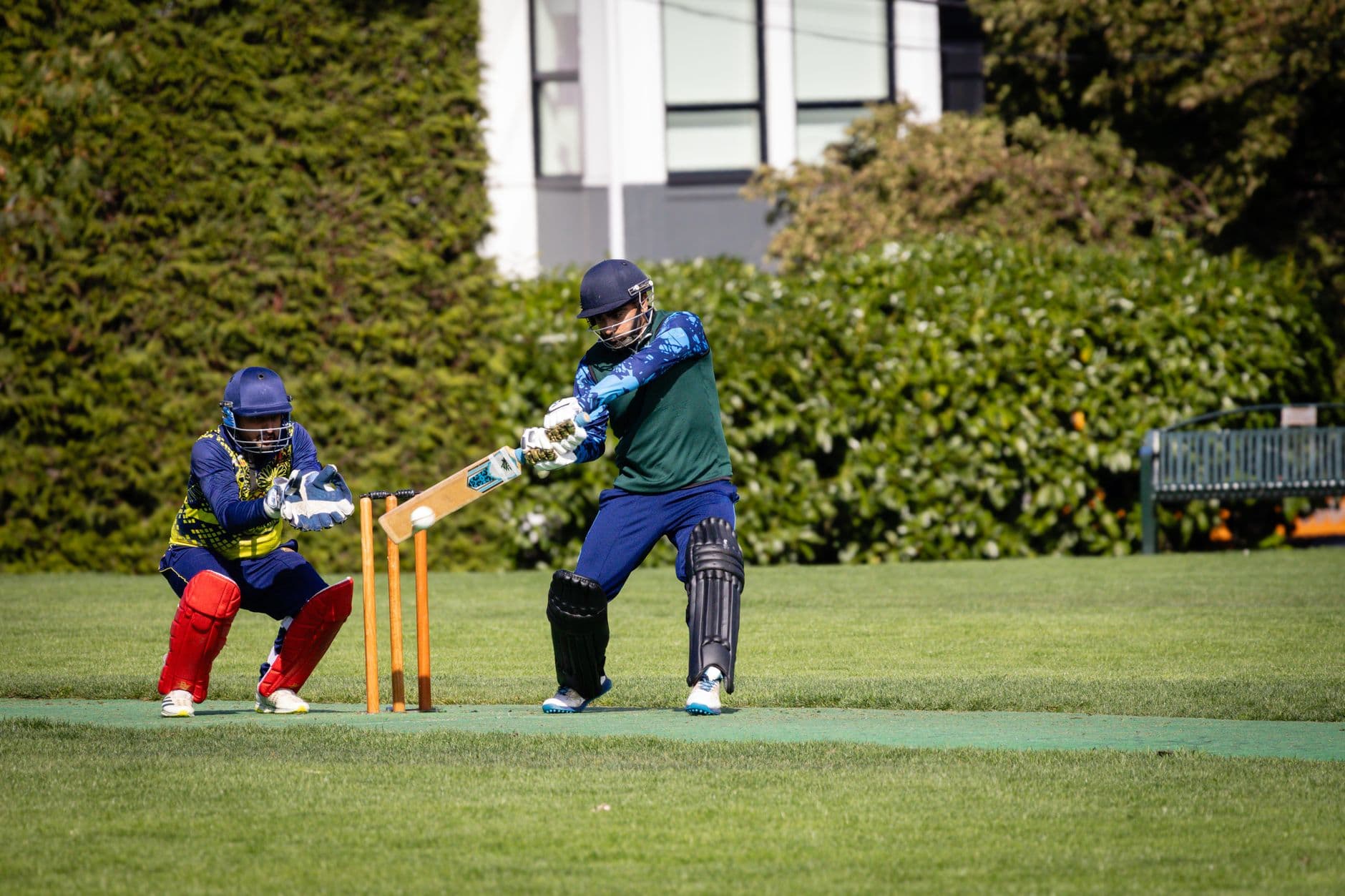
For a Missouri cricket side that still lives in a group chat, the clearest path to being taken seriously starts with the membership page. USA Cricket’s club-finder does not just list names, it shows local organizers how to move from pickup cricket to a recognized club or league, with a process that begins at the individual level and then builds outward into official team and league registration.
What the club-finder changes for Missouri
The biggest shift is practical: the page turns “we play most weekends” into a defined registration path. Organizers log into the member portal, open the My Teams/Leagues section, choose the right team or league, and complete membership purchase details if they are needed. If a club or league is not already in the database, it can be added manually, and then it takes a short back-end wait before it appears.
That matters in St. Louis, Kansas City, and smaller Missouri metros for one simple reason: nobody has to build recognition in isolation anymore. The same national pathway works whether the group is a new men’s side, a women’s program, or a growing local league trying to get out of the informal stage and into something that can be scheduled, tracked, and understood by the wider cricket world.
The threshold that tells you whether you are ready
The page also gives Missouri organizers a number they can actually use. Clubs need at least 12 players who join USA Cricket as individuals and align to that club. Leagues need at least three aligned clubs that are members of USA Cricket.
That makes the membership page more than a sign-up form. It becomes a reality check for anyone trying to figure out whether a team is ready to stand on its own, whether there is enough roster depth to support a club, and whether there is enough inter-club structure to support a league. For a local captain or organizer, that is a far more useful marker than vague talk about growth because it ties recognition to actual participation.
A Missouri group can look at those numbers and answer the hard question fast: do we have enough people for a club, and do we have enough clubs for a league? If the answer is yes, the official route is already mapped. If the answer is no, the gap is visible before the season gets built around wishful thinking.
How the process works
The pathway is simple enough to follow, which is part of why it is useful for families and new organizers who are still learning the structure of American cricket.
1. Start with individual membership.
Players first join USA Cricket as individuals, which creates the base the club or league will be built on.
2. Go into the club or league registration step.
Inside the member portal, organizers move into the My Teams/Leagues section and select the relevant team or league.
3. Complete the purchase details if required.
If a membership payment step is needed, that is handled there rather than through a separate, informal workaround.
4. Add the club or league if it is missing.
If the group is not yet in the system, it can be added manually and will show up after a short delay.
For Missouri cricket, that sequence is useful because it replaces guesswork with a path that can be repeated. A new side in St. Louis can follow the same steps as a developing club in Kansas City or a smaller metro trying to get organized for the first time.
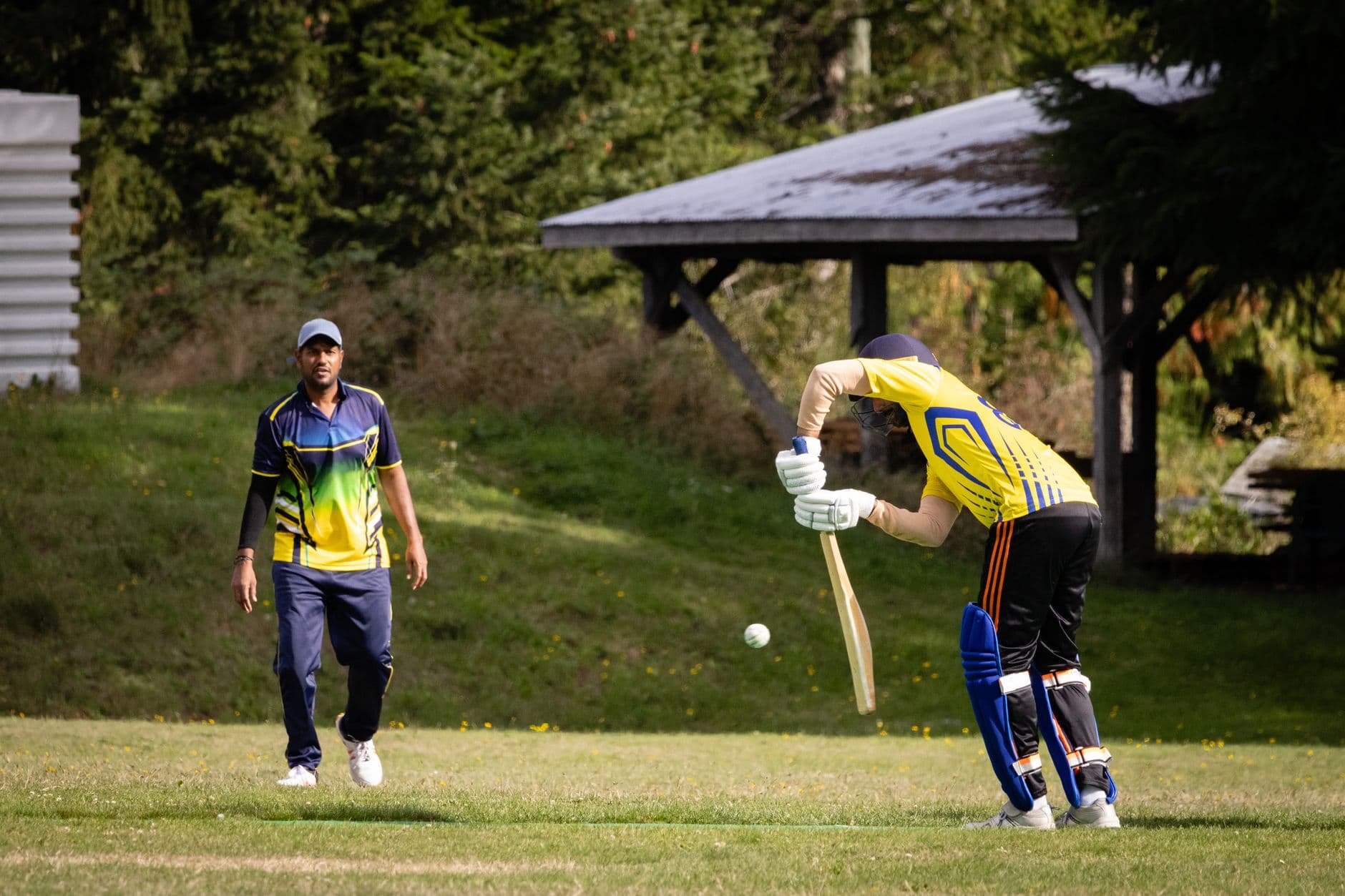
Why recognition matters beyond the roster
The club-finder page points to a bigger ecosystem than just team listings. It places membership alongside domestic cricket, women’s cricket, coaching, officiating, and rookie pathways. That means the page is not only about getting a name into a system. It is also about plugging a Missouri club or league into the broader structure that helps people find competition, instruction, and a clearer route into the sport.
That is where the official path becomes especially important for parents and newer players. A club that registers properly is easier to see, easier to trust, and easier to place within a wider development structure. It also gives families a clearer sense that the program is not just a one-off weekend gathering, but part of a framework that can support scheduling, player development, and long-term participation.
For women’s cricket, for rookie pathways, and for clubs trying to build something durable, that visibility matters. Recognition is not just about a badge on a page. It is about being legible to the people who are deciding where to play, where to send a new player, and which local structure is worth investing in.
What Missouri organizers should take from it now
If you are trying to move a Missouri side from pickup cricket into a recognized club or league, the membership page gives you the playbook. The key tests are already there: 12 aligned players for a club, three aligned clubs for a league, and a registration path that runs through the member portal instead of through backchannel guesswork.
That is the useful part for Missouri right now. A taped-together weekend side in St. Louis, a budding league in Kansas City, or a smaller group elsewhere in the state does not have to wonder how the first official step works. The route is laid out, the numbers are plain, and the difference between informal cricket and recognized cricket is finally something local organizers can point to and use.
This article was produced by Prism’s automated news system from verified source data, official records, and press releases, then run through automated quality and moderation checks before publishing. The system is built and supervised by the people who set the standards it runs under. Read our full AI policy.
Know something we missed? Have a correction or additional information?
Submit a Tip