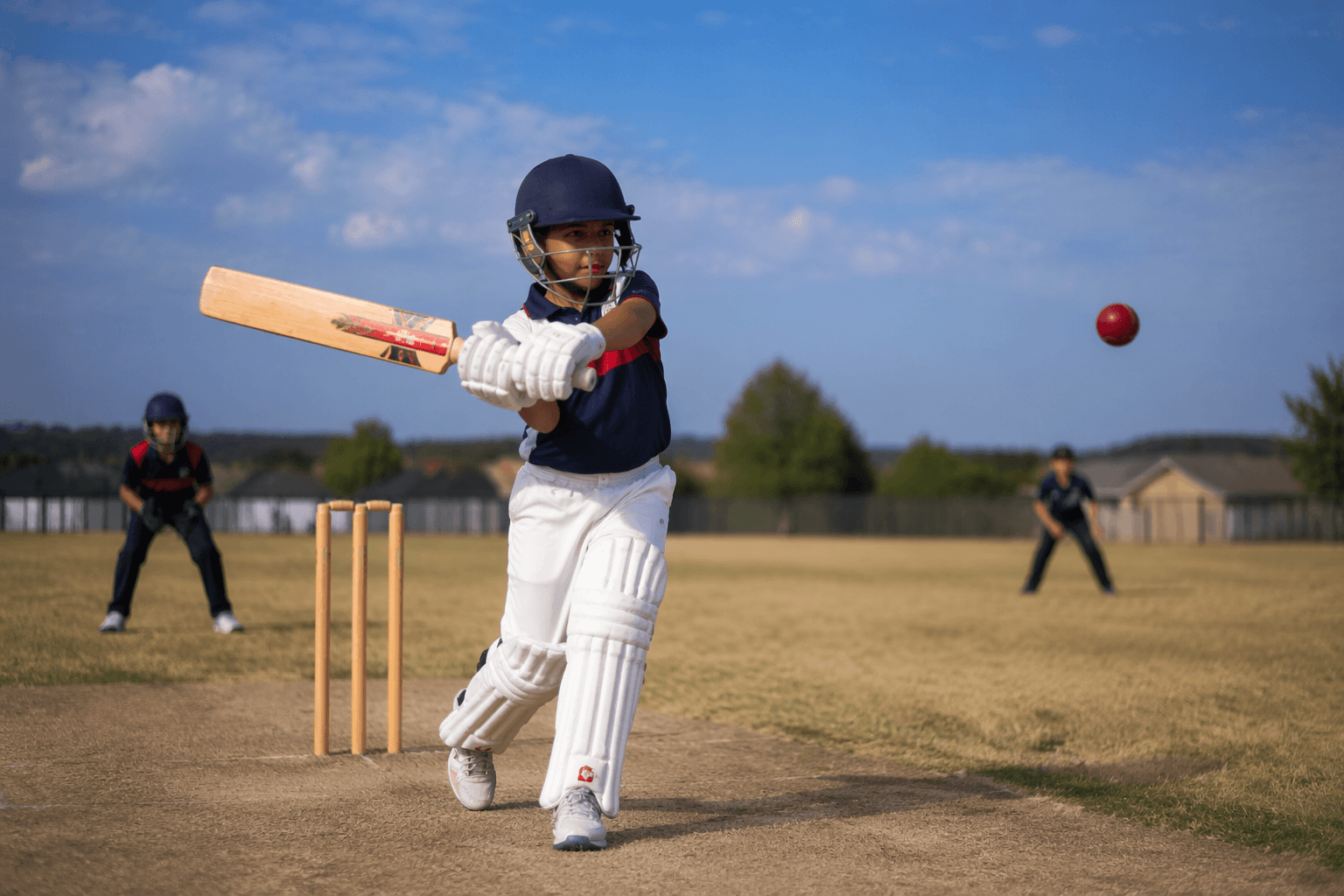
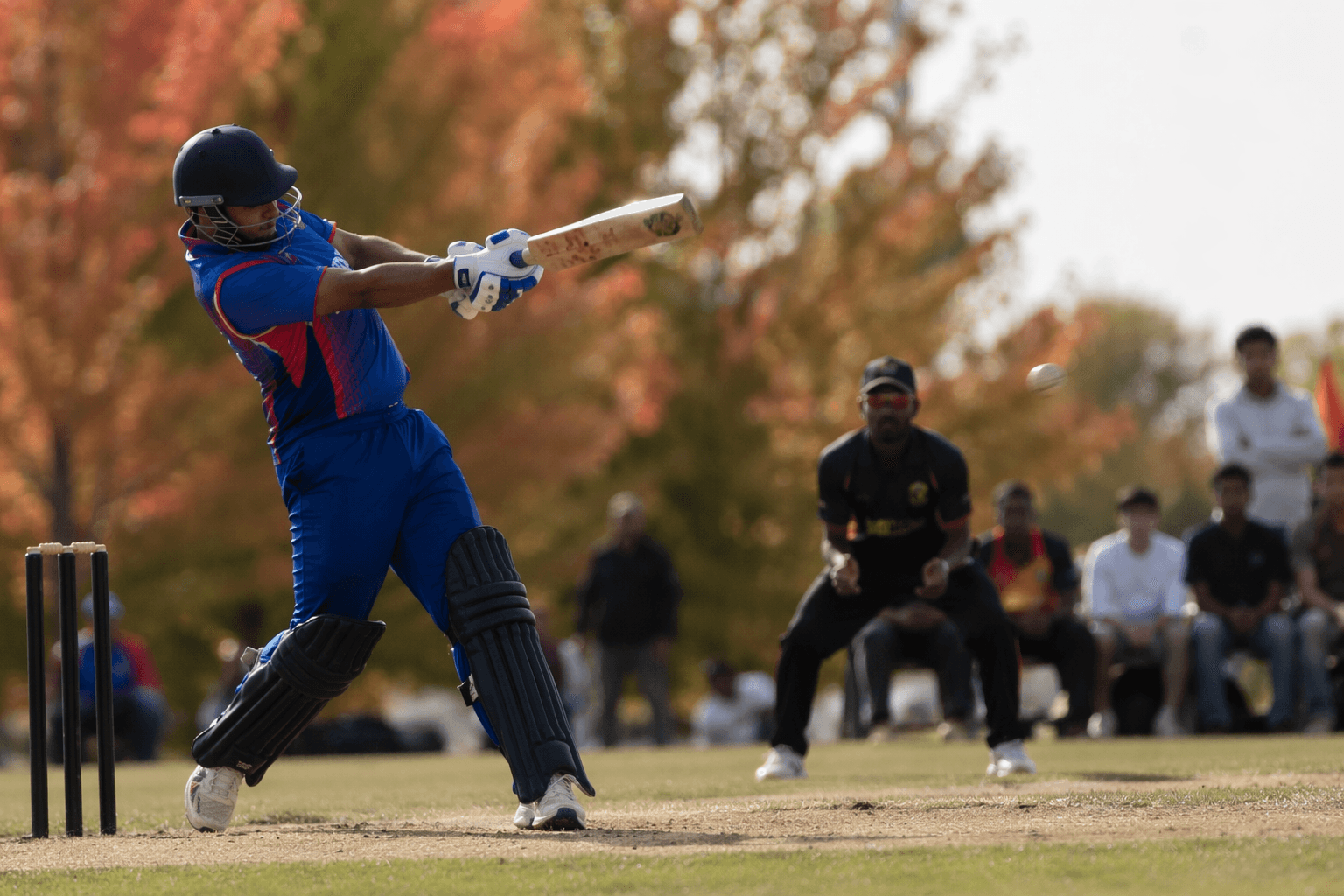
USA Cricket sanctioning rules set roadmap for Missouri clubs and leagues
USA Cricket approval is more than a rubber stamp for Missouri clubs. It can decide whether a league looks official, registered, and tournament-ready or just informal cricket.
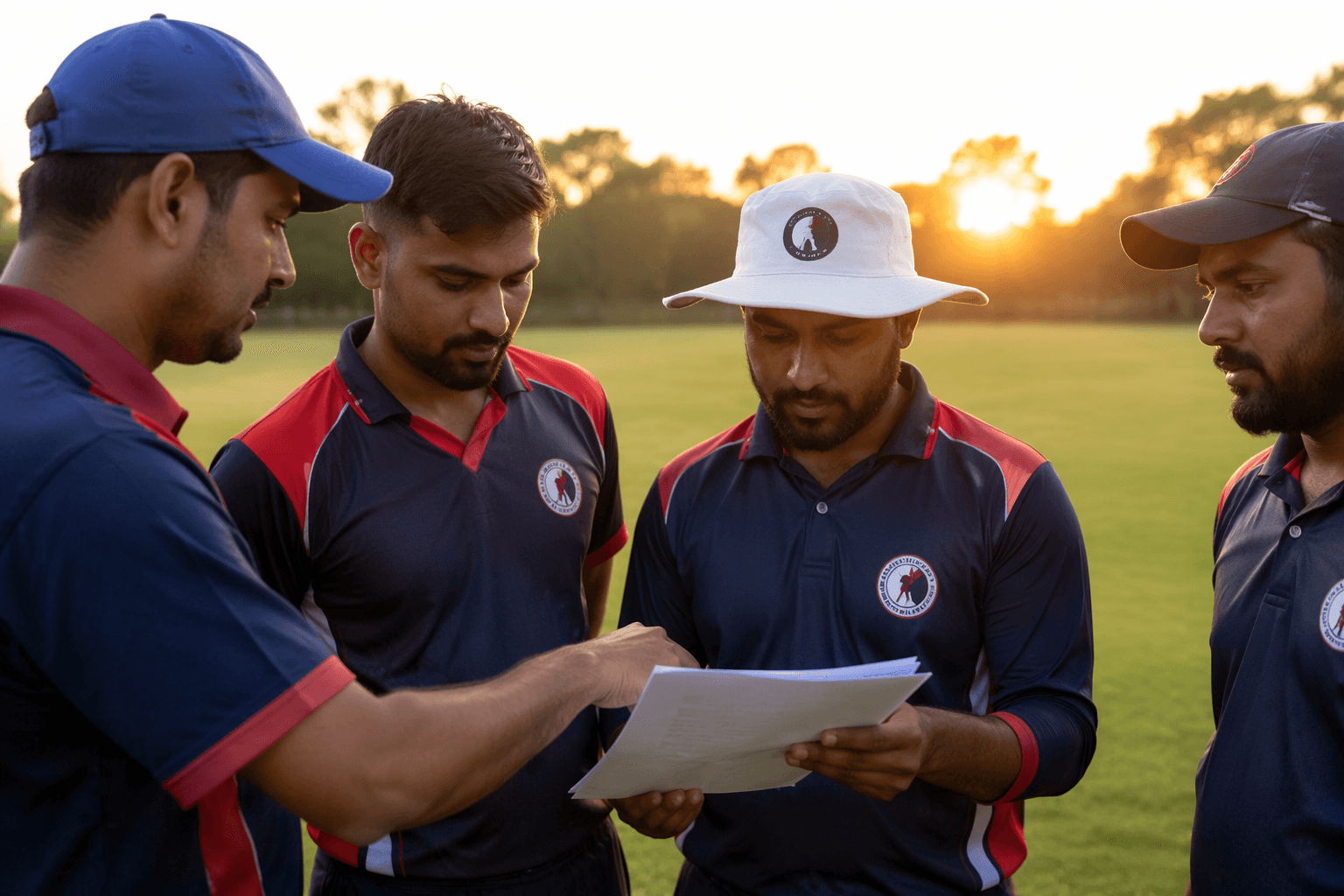
For Missouri cricket clubs, USA Cricket sanctioning is where casual organization ends and recognized domestic cricket begins. The approval rules do not just bless a fixture list; they define who gets to operate inside the official system, how competitions are recognized, and what standards clubs must meet if they want players, families, and sponsors to treat them as legitimate.
What USA Cricket approval changes on the ground
USA Cricket says it is the sole governing body for cricket in the United States and is responsible under International Cricket Council regulations for approving domestic cricket played in the country. That matters in practical terms because the governing body frames approval as a mechanism for uniform standards, participant protection, and consistent application of the rules.
The updated regulations apply equally to men’s, women’s, and youth cricket, so the sanctioning question reaches every part of the Missouri game. USA Cricket also divides approval into two categories, deemed approval and formal approval, which gives local organizers a clearer roadmap but also a clearer set of expectations. If an event is not formally approved, USA Cricket says it is technically classified as unofficial cricket under ICC regulations.
For Missouri leagues and tournament directors, that distinction is not academic. It affects how a competition is perceived inside the broader U.S. cricket ecosystem, especially when organizers are trying to build trust with players, volunteers, school administrators, and park officials.
Why sanctioning feels like a growth tool and a compliance test
USA Cricket’s current sanctioning policy is effective January 1, 2023 and was revised September 12, 2024. The organization says it approved new domestic cricket approval regulations and anti-doping regulations in December 2020, and the current framework ties recognition to documented rules rather than simply the fact that a match is being played.
That is why Missouri organizers should read the policy as both an opportunity and a hurdle. On one hand, approval gives clubs a path into a wider national structure that already spans over 200,000 players across more than 400 local leagues, tournaments, academies, college and school programs. On the other hand, it raises the bar for how clubs are run, recorded, and presented.
In everyday terms, sanctioning can help a league look more credible when it asks for field time, seeks entry into a tournament network, or tries to show it is operating in a way that protects participants. The policy’s emphasis on official approval, written regulations, and consistent standards is exactly the kind of framework parks departments and school facilities often want to see before they commit space and schedule.
The next hurdles Missouri clubs will face
The biggest compliance question for Missouri clubs is not whether cricket is popular enough. It is whether the club can function like an organized body. USA Cricket’s club-finder guidance says clubs or leagues seeking organizational membership must comply with the USA Cricket Constitution, and clubs need at least 12 players registered as individuals and aligned with the club.
That creates a clear checklist for local organizers:
- build a core player base that is actually registered, not just interested
- make sure the club structure matches the USA Cricket Constitution
- document the league or club’s governance and membership properly
- align men’s, women’s, and youth operations under the same standards when applicable
- keep competition formats and scheduling consistent with sanctioned status
For Missouri, where clubs often rely on volunteers, shared facilities, and a small group of regular organizers, those requirements can be the difference between a working league and a recognized one. They also make the administrative side of cricket harder to ignore, because registration and governance become part of the sport’s daily routine.
What this means for facilities, scheduling, and event access
Sanctioning also changes how a club can talk to outside partners. A league that can show it operates under USA Cricket’s approval framework has a stronger case when dealing with parks, school facilities, and tournament hosts, because it can point to a formal system of rules, participant protection, and oversight. That is especially relevant in a state like Missouri, where cricket often depends on public fields, school grounds, and carefully packed weekend schedules.
The practical benefit is not just legitimacy. It is predictability. If the club can demonstrate that it has approved status, registered players, and a governance structure that fits USA Cricket’s framework, it is easier to argue that the competition is organized, repeatable, and worth accommodating.
Tournament access follows the same logic. Approved cricket is easier to place into a connected national pathway, while unofficial cricket sits outside that structure. For Missouri clubs trying to move from pickup-level organization into a durable league model, sanctioning is the gate that decides how far that pathway can extend.
Missouri already has real stakes in the system
This is not a theoretical issue for the state. USA Cricket announced in 2021 that Minor League Cricket added a permanent Missouri team, the St Louis Americans, ahead of the inaugural season. That gave the state a clearer professional-adjacent presence and showed that Missouri was already part of the national conversation.
The youth side has also moved into view. USA Cricket said the Missouri Region won the 2024 U19 West Conference Championship, with West conference games held in Houston and St. Louis. That is a strong sign that Missouri is not just hosting local matches, but contributing to the country’s youth pathway.
St. Louis development adds another layer. The American Cricket Academy describes itself as a 501(c)(3) nonprofit with more than 200 athletes and volunteer-led operations in the metro St. Louis area. In Kansas City, the Midwest Cricket League has a long history, formed in 2001 by college students frustrated by the lack of organized cricket. Together, those examples show a state that already has clubs, youth pipelines, and competitive ambition.
What Missouri organizers should watch next
The policy is likely to matter most to volunteers, coaches, umpires, and tournament directors, because approval rules shape how competitions are structured, how participants are registered, and how safeguards are enforced. For Missouri clubs, that means the next stage of growth may look less like finding more games and more like proving the club can manage them properly.
That is the real tradeoff in USA Cricket’s sanctioning framework. It offers a roadmap into recognized domestic cricket, but the map comes with signposts: constitution compliance, player registration, documented governance, and formal approval. Missouri’s cricket scene already has the numbers, the history, and the regional momentum to use that roadmap. The question now is whether clubs want the easier path of informal play, or the harder path that leads to being taken seriously inside the U.S. cricket system.
This article was produced by Prism’s automated news system from verified source data, official records, and press releases, then run through automated quality and moderation checks before publishing. The system is built and supervised by the people who set the standards it runs under. Read our full AI policy.
Know something we missed? Have a correction or additional information?
Submit a Tip