Baby Capybara Amigurumi Pattern Captures Crochet's Cute Animal Trend
A 12 cm capybara amigurumi turns a viral animal into a fast, giftable make for crocheters who want a weekend plush with instant shelf appeal.
Palm-sized, plush, and built for quick satisfaction
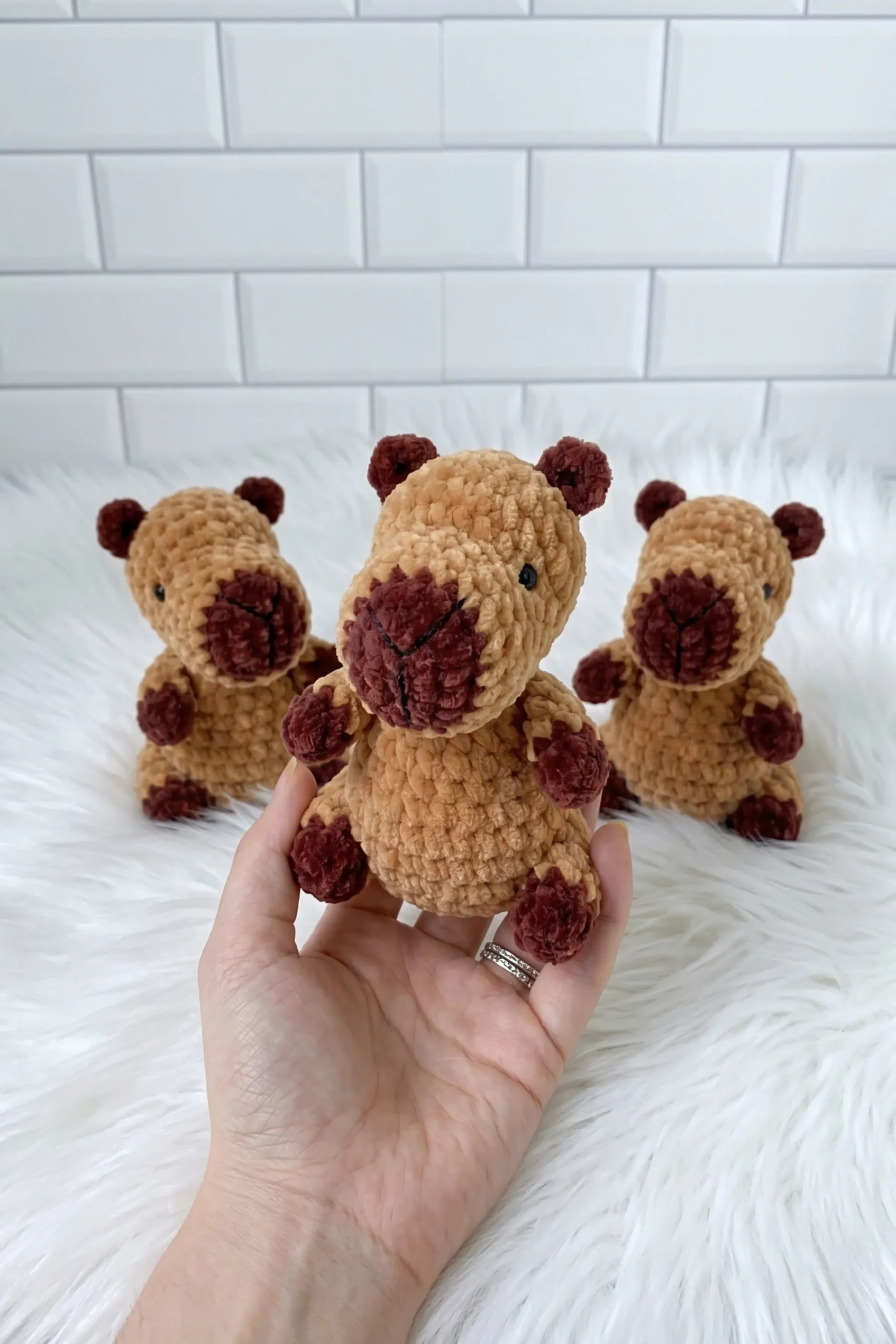
The Baby Capybara Amigurumi Crochet Pattern lands in the sweet spot that keeps getting crochet the most clicks right now: a recognizable animal, a compact finish, and a result that feels ready to gift the moment the last seam is closed. At about 12 cm tall, the finished toy is small enough to finish in a sitting or over a weekend, yet substantial enough to look intentional on a desk, nursery shelf, or craft-fair table.
That scale is a big part of the appeal. It gives you the payoff of a full amigurumi make without the long haul of a larger plush, and it positions the capybara as a low-commitment project with high cuteness per stitch. For makers who want something that is quick to photograph, easy to display, and just as easy to hand off as a present, this pattern fits the brief exactly.
Why capybaras keep winning in crochet
Capybaras are a perfect crossover between internet humor and handmade charm. Media coverage has described them as a viral sensation on TikTok and Instagram, and that familiarity matters when a plush is only 12 cm tall. You do not have to explain what it is, which is one reason the animal works so well in amigurumi form.
Part of the draw is the real-world capybara itself. The greater capybara is the world’s largest living rodent, growing to about 1.3 meters long and weighing up to 79 kg, and it is semi-aquatic and native to South America. That unusual profile gives the plush instant personality: it is cute, a little surprising, and just specific enough to stand out from the usual bear-or-bunny rotation.
The broader craft context helps too. Amigurumi, the Japanese art of crocheting or knitting small stuffed toys, already thrives on kawaii-style appeal, and capybara fits neatly into that language of soft shapes and expressive faces. The baby version leans into that trend without asking for a big time investment, which is exactly why it feels so current.
What the pattern asks for
Martha Miller’s free step-by-step guide, with the pattern notes attributed to Ekaterina Kamneva, is labeled intermediate, but the construction still uses the familiar building blocks most amigurumi makers know well. It is the kind of project that rewards comfort with basics rather than specialist techniques, which makes it approachable for anyone who has already worked a few small plushes and wants a polished next make.
- 3 mm hook
- 8 to 10 mm safety eyes
- Stuffing
- Tapestry needle
- Scissors
The materials list is straightforward:
The palette also does a lot of the work. Plush yarn in warm caramel and rust tones echoes the animal’s earthy coloring while giving the finished capybara that soft, squeezable look people expect from a pocket-sized toy. The color choice helps the pattern read instantly as a capybara, even at a glance in a crowded marketplace or on a social feed.
How the build works
The construction is classic amigurumi, which is part of the reason the pattern feels so practical. You will use a magic ring, single crochet, increases, decreases, and sewing pieces together, so the finished toy comes together from familiar shapes rather than elaborate shaping tricks. That makes the project feel efficient, even if it still sits in the intermediate category.
The pattern’s real selling point is that it behaves like a fast gift object. A 12 cm plush is small enough to finish without reorganizing your week, but detailed enough to look like a designed item rather than a casual leftover project. That balance is what makes baby capybara amigurumi so appealing to crocheters who want something cute, complete, and useful almost immediately.
There is also a practical market note tucked into the pattern: toys made from it may be sold with proper credit. For makers who set up at markets or sell handmade gifts, that matters. It turns a charming make into something that can move from personal stash project to small-batch product with less friction.
Why the capybara trend has become so clickable
The current capybara wave is not just about a cute animal. It is about a shape that photographs well, a face that reads clearly at small size, and a vibe that feels playful without being fragile or overly fussy. That is why capybara amigurumi keeps showing up as both a craft project and a browsing magnet.
The marketplace signal is strong. In April 2026, Etsy search results show multiple capybara crochet listings with thousands of favorites, including a no-sew capybara pattern with 8,131 favorites. Another Etsy capybara no-sew pattern lists 6,725 favorites and a finished size of 12 cm, which puts it right in the same compact, giftable zone as this baby capybara make. Etsy’s marketplace pages for capybara crochet and capybara amigurumi each show 2,000+ items, with listings that include keychains, ornaments, beginner-friendly patterns, and no-sew versions.
That spread matters because it shows the trend has already evolved beyond a single novelty pattern. Makers are packaging capybaras as fast-turn projects in multiple formats, from tiny keychain-style pieces to larger plush toys and even outfit bundles. A recent Ravelry and Sweet Softies pattern for a 3.5-inch pocket capybara goes even further, framing the animal as suitable for keychains, ornaments, class gifts, and craft-fair products.
A small plush with big shelf appeal
Baby capybara amigurumi works because it sits at the intersection of everything crochet buyers and makers keep responding to: recognizable subject, compact size, quick finish, and gift-ready payoff. It is cute without being generic, and specific without being complicated.
That combination is what keeps the pattern from feeling like just another animal make. It is a weekend project with strong display value, a market-friendly plush with clear appeal, and a neat example of how crochet’s cutest trends are shifting toward faster, more shareable, and easier-to-gift makes.
This article was produced by Prism’s automated news system from verified source data, official records, and press releases, then run through automated quality and moderation checks before publishing. The system is built and supervised by the people who set the standards it runs under. Read our full AI policy.
Did this article answer your question?