Free beginner-friendly amigurumi patterns for cute crochet toys
A July 14 roundup turns cute amigurumi into a weekend win, with free beginner patterns and sewing-light tips that help you finish faster.
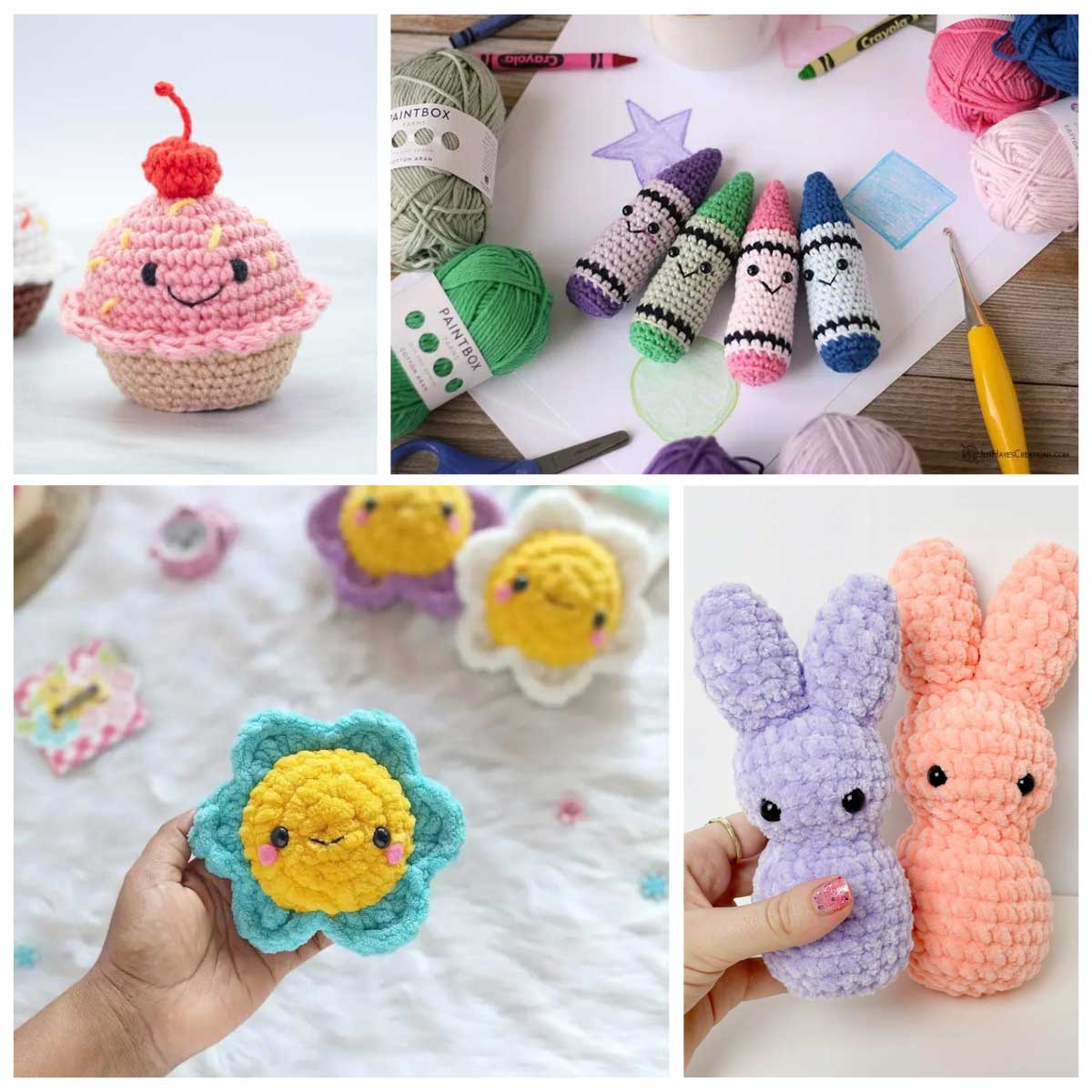
This July 14 Instagram post packages free beginner-friendly kawaii patterns and practical tips for cleaner results. It is built for the handoff from inspiration to finished toy, where sewing, stuffing, and tight construction can still slow the whole project down.
Why free beginner amigurumi lists matter
Amigurumi, in the standard crochet sense, is the Japanese art of knitting or crocheting small, stuffed yarn creatures. Easy Crochet Patterns' free amigurumi patterns range from beginner-friendly to slightly more advanced, and when you are starting out, choosing the right amigurumi pattern can make the difference between building your confidence and feeling defeated.
If you like to test different shapes, features, and finishing details, paid patterns can add up quickly, and that cost can be enough to stall experimentation. Free roundups from sites such as LoveCrafts and OkieGirlBling'n'Things give you a lower-risk way to try a toy pattern, learn the construction, and move on to the next one without committing to a stack of purchases.
Start with the most beginner-specific roundups
If you want the least intimidating entry point, begin with the collections that explicitly center beginners. OkieGirlBling'n'Things has a roundup titled “35 Beginner Friendly Amigurumi Free Crochet Patterns,” and LoveCrafts also publishes beginner-focused amigurumi lists. Those posts pre-filter the field for you, so you are not guessing whether a pattern will be too fiddly before you even cast on.
Make & Do Crew’s “20 Easiest Crochet Amigurumi Patterns” gives a clean filter inside that search. A pattern that uses clean construction, manageable shaping, and straightforward assembly can teach you the core amigurumi rhythm without burying you in frustration.
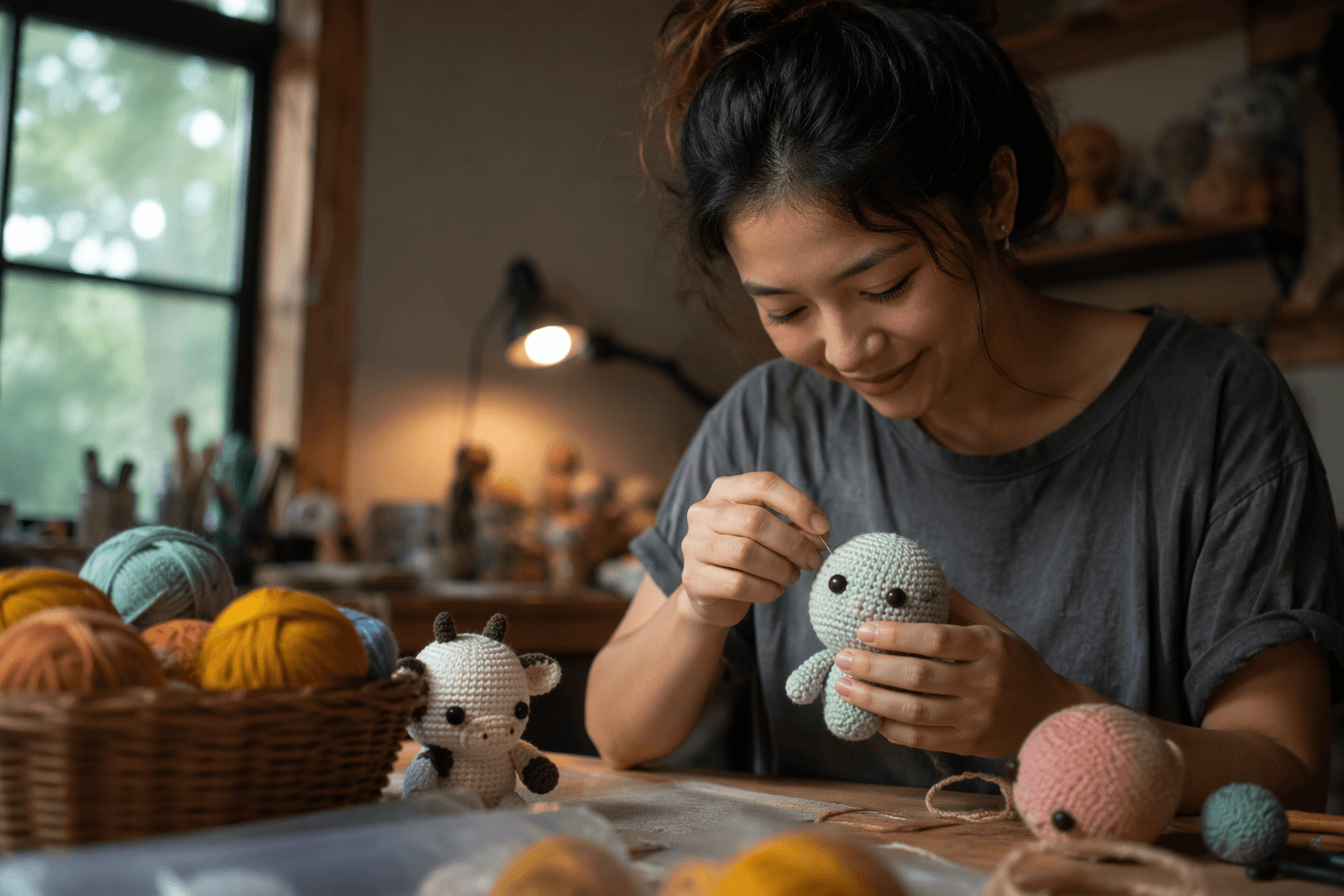
- working in continuous rounds without losing your place
- keeping stitch counts consistent in a small project
- stuffing evenly so the shape stays smooth
- assembling sewn-on parts without overcomplicating the finish
A practical way to read these lists is to look for the patterns that teach one useful beginner skill at a time:
Low-sew and no-sew projects remove a major barrier for beginners, especially when the sewing stage is the part that slows a project to a crawl.
Use the July 14 post as a weekend-making shortcut
The July 14 Instagram post lands at a useful moment, right as the week starts and the weekend window is still open. The post frames the patterns as quick makes. Another Instagram reel offers this line: “Find the free patterns from my page. All are quick to make and perfect for weekend makes.” That is the exact kind of promise that works for a toy you want to finish in one sitting or over a couple of evenings.
Sewing is the place where amigurumi often slows down or stops altogether. If that is your sticking point, look first for patterns that keep the part count low, use simple attachment points, and do not ask for a lot of tiny pieces to be stitched together at the end.
- use a smaller hook than you would for flat crochet to keep the fabric tight
- tighten your stitches consistently so stuffing does not show through
- stuff in small amounts as you go, instead of cramming it all in at the end
- use stitch markers so continuous rounds stay readable
- choose patterns with simple assembly if you want the fastest path to a finished plushie
A few familiar tricks also help keep a beginner project moving:
Why kawaii is such a strong fit for amigurumi
Kawaii is a Japanese culture or aesthetic of cuteness, and that framing explains why it travels so well in crochet. Kawaii toys are compact, camera-friendly, and easy to gift, which makes them especially appealing for makers who want something that looks polished even when the construction stays simple.
That aesthetic also fits the way crochet moves online now. A cute face, rounded shape, and soft pastel palette can turn a basic toy into a highly shareable object, whether you are making it for a friend, a market table, or your own shelf. The genre rewards clean finishing, but it does not require advanced engineering to look lovable.
The clear first pick for a new maker
If you are choosing one place to start, pick the most beginner-specific free roundup first, then work outward into broader pattern libraries once you have one finished toy under your belt. That approach keeps the sewing manageable and gets you to one finished toy before you move into broader pattern libraries.
This article was produced by Prism’s automated news system from verified source data, official records, and press releases, then run through automated quality and moderation checks before publishing. The system is built and supervised by the people who set the standards it runs under. Read our full AI policy.
Did this article answer your question?