Free flower amigurumi turtle pattern adds a whimsical floral shell
A chubby turtle topped with a blooming flower shell turns a free pattern into an easy, giftable make. The design is cute, seasonal, and simple to personalize.
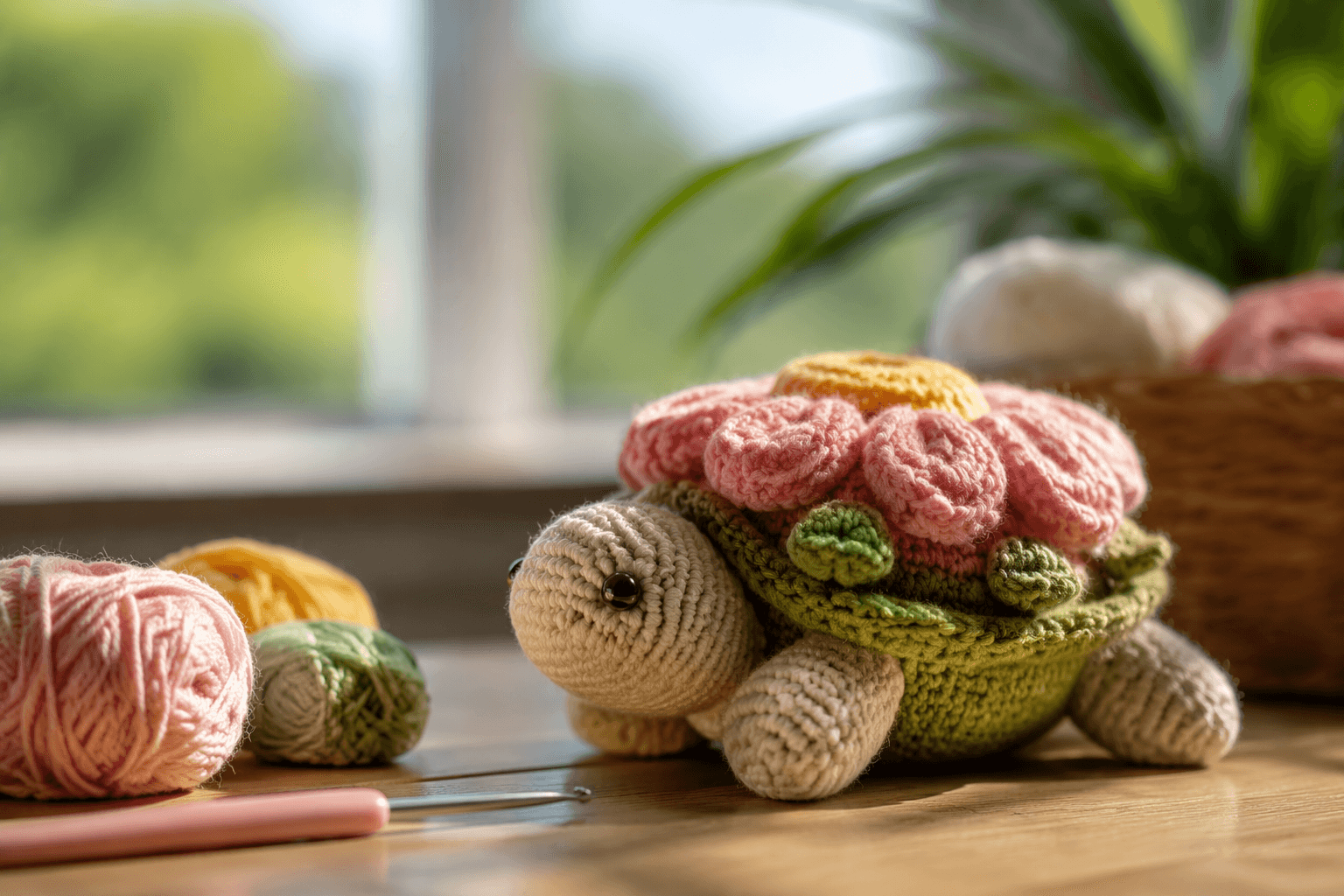
A small turtle gets a big personality in Amigurumi Today’s free flower amigurumi turtle crochet pattern. The page describes it as “a delightfully chubby amigurumi turtle with a vibrant, blooming flower shell,” and that single detail does most of the work: it turns a familiar animal into something fresh, cheerful, and immediately display-worthy.
A quick project with high gift appeal
What makes this turtle so appealing is how little friction it seems to carry. The shape is classic amigurumi, compact and approachable, while the flower shell adds enough novelty to make the finished toy feel special without turning it into a complicated build. That combination matters for crocheters looking for something they can finish and hand off quickly, whether the destination is a child’s room, a spring table, a summer gift basket, or a craft fair shelf.
The pattern is framed as a free release, and that also boosts its usefulness. A free pattern lowers the barrier to trying a whimsical project, especially when the result looks polished enough to gift. The turtle’s “chubby” silhouette gives it an instant plush appeal, so it reads as soft and friendly rather than fussy or overly decorative.
What sets the design apart
Standard turtle amigurumi patterns usually lean on a plain shell, muted colors, or a straightforward animal profile. This one stands out because the shell becomes the focal point instead of the turtle simply carrying it. The bloom creates a seasonal look that feels more like a tiny handmade character than a generic toy, and that is exactly the kind of detail crocheters remember when they are sorting through dozens of similar animal patterns.
Amigurumi Today’s own description emphasizes the pairing of a turtle and a flower in one design, and the social promo on X repeats that same idea while labeling it a “FREE PATTERN.” That repetition tells you where the emphasis sits: on the playful merge of motifs, not on technical complexity. The result is a pattern that is visually busy in the best way, with the flower shell doing the lifting that might otherwise fall to stitches, texture changes, or extra accessories.
Why it works for gifts, decor, and stash busting
This is the kind of project that fits several use cases at once. As a toy, it has the soft, cheerful look people expect from amigurumi animals. As decor, it leans into spring and summer without needing a holiday-specific theme, which makes it easier to keep on a shelf or desk past one season.
It also has real stash-busting potential. A flower shell naturally invites color changes, so small amounts of leftover yarn can become petals, centers, or shell accents instead of sitting unused in a drawer. The design is also easy to imagine in nursery colors, bright candy shades, or softer pastels, depending on who is getting the finished piece.
How to personalize the flower shell
The floral shell is the detail that gives this turtle its range. Since the pattern is presented as a blooming flower shell, color becomes the easiest customization point. You can keep the turtle body neutral and let the flower pop in vivid contrast, or go more tonal and make the whole piece feel gentle and cohesive.
A few customization directions naturally follow from the design:
- Change the flower color to match a season, a nursery palette, or a favorite shade
- Use different shell tones to make the bloom look bold, pastel, or earthy
- Make the shell the star by choosing high-contrast petals and a brighter center
- Scale the look up or down by adjusting yarn weight and hook size, if you want a smaller desk piece or a larger plush-style version
Because the turtle is already described as “delightfully chubby,” the shape should hold up well to playful color treatment. That makes it a good candidate for repeat makes, especially if you want each one to feel like a different character rather than the same pattern copied over and over.
Why Amigurumi Today is the right home for it
The pattern fits neatly within Amigurumi Today’s broader identity. The site describes itself as a source of “free amigurumi patterns and amigurumi tutorials,” and its category page says it offers free patterns and crochet tutorials for “amigurumi for beginners, amigurumi dolls and crochet animals.” That mix explains why the turtle lands so naturally on the platform: it is charming enough to catch the eye, but straightforward enough to fit a browsable free-pattern library.
The site’s main navigation also includes Premium patterns, Tips and tricks, Community, Shop, and a page explaining how to access free patterns. That tells you the turtle is part of a larger ecosystem of projects, help resources, and paid options, not a one-off post. The homepage banner shown alongside the pattern advertises “Up to 70% OFF ALL PATTERNS!” and “1130+ amigurumi patterns,” which underlines how many choices sit around this one free design.
A pattern built for sharing
The broader marketing around the turtle makes its shareability obvious. The homepage presentation gives the pattern a featured spot, and the X post repeats the “FREE PATTERN” framing with the same turtle-and-flower description, plus hashtags like #amigurumitoday, #amigurumi, #crochet, #freeamigurumipatterns, #freecrochetpatterns, #crafting, #handmade, and #diy. That kind of wording is built for quick recognition: cute image, clear payoff, easy entry.
For crocheters, that matters because the best free patterns are the ones that solve the “what should I make next?” problem fast. This turtle does exactly that. It is whimsical without being elaborate, seasonal without being limited, and distinct enough from a standard turtle amigurumi that it feels like a small finished moment, not just another animal on the hook.
This article was produced by Prism’s automated news system from verified source data, official records, and press releases, then run through automated quality and moderation checks before publishing. The system is built and supervised by the people who set the standards it runs under. Read our full AI policy.
Did this article answer your question?