Sedge Stitch Crochet Tutorial Makes Textured Baby Blankets Easy
The sedge stitch delivers big texture with a one-row repeat, making it a fast, forgiving choice for baby blankets, striped yarn, and last-minute gifts.

A textured stitch that looks polished without demanding perfection
The sedge stitch is one of those sweet-spot crochet patterns that feels impressive the moment it starts stacking up on the hook. Okie Girl Bling'n Things’ tutorial leans into exactly that appeal: a rich, textured fabric that works up quickly, forgives small mistakes, and stays approachable for anyone who already knows the basics of single crochet, half double crochet, and double crochet.
That combination is what makes the stitch such a smart fit for baby blankets. It gives you visual interest without the mental load of a complicated repeat, and it has the kind of cozy, handmade finish that reads as thoughtful rather than fussy. For crocheters who want a project that looks like more work than it actually is, this stitch lands in a very useful middle ground.
Why the sedge stitch feels beginner-friendly
At its core, the sedge stitch is built as a one-row repeat. That matters because once the first row is set up, the rhythm stays steady, which makes it easier to keep going without constantly checking the pattern. Independent tutorials describe it as a repeat worked over a multiple of 3 stitches, so the math stays simple whether you are starting a small swatch or scaling up to a blanket.
Nordic Hook describes the stitch as reversible, with the same look on both sides, and that is a major practical advantage. Blankets get flipped, draped, washed, and folded, so a stitch that looks clean from either side carries more weight than a pattern that only shines on the front. That reversibility also helps when the piece will be seen from different angles, like a throw over a chair or a baby blanket tucked into a crib.
The stitch structure behind the texture
The sedge stitch builds its fabric from a compact trio of stitches: single crochet, half double crochet, and double crochet. Because those are foundational stitches, the technique feels accessible instead of intimidating. The texture comes from how the stitches are grouped and repeated, not from advanced shaping or specialty techniques, which is why the stitch can read as sophisticated while still staying within beginner territory.
Stitching Together points out that the sedge stitch is especially useful when you want denser fabric. That makes it a good choice for blankets, pillow covers, kitchen items, and warm garments. In other words, it is not just decorative texture for texture’s sake. It creates fabric with enough structure to feel useful, which is part of why the stitch has such broad appeal across projects.
Why striped yarn makes the stitch shine
Okie Girl Bling'n Things emphasizes that the sedge stitch is especially nice for striped yarn, and the sample baby blanket uses Caron Baby Cakes in the Sky Gazing colorway. That pairing is doing a lot of quiet work. The stitch gives the blanket texture and body, while the yarn handles much of the color interest, so the finished piece gets that polished, layered look without extra complexity.
Yarnspirations describes Caron Baby Cakes as soft, self-striping yarn in a traditional baby shade range. It is also machine-washable and dryable, which is exactly the kind of practical detail that matters for baby makes. Caron and Yarnspirations both position it for baby garments, accessories, and toys, so the yarn choice fits the project’s use case as neatly as the stitch itself.
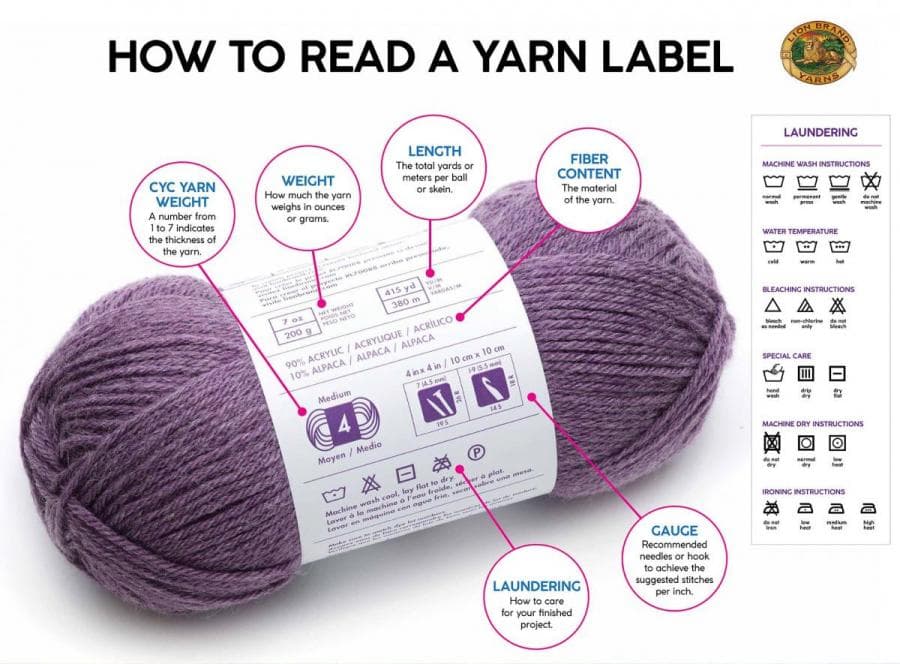
Michaels lists Sky Gazing as 82% acrylic and 18% nylon, with 560 yards per skein. That gives the yarn enough yardage to be useful for a substantial blanket section, and the blend supports the kind of easy-care finish people want for baby items. Yarnspirations also gives a crochet gauge of 13 single crochets by 14 rows over 4 inches with a 5 mm hook, which offers a concrete starting point for matching fabric density.
The sample setup makes the stitch easy to scale
One of the most useful parts of the tutorial is that it does not stop at swatch-level theory. The sample begins with a chain of 24 stitches, and the pattern notes that you can start with any multiple of 3. That makes the stitch easy to adapt for a wide range of sizes, from washcloths and scarves to larger baby blankets and home projects.
That flexibility is part of the sedge stitch’s appeal. If you want to keep it small, the repeat still gives you a satisfying surface quickly. If you want to grow it into a blanket, the stitch keeps its structure without needing constant adjustment, which is a huge plus for crocheters who like projects they can take up and put down without losing their place.
Tools that match the project’s feel
The demo uses a Cerulean Sea Streamline Resin crochet hook from Furls. Furls describes the Streamline Resin line as hand-poured and uniquely swirled, and lists the Cerulean Sea version in sizes from H/5.00 mm through P/10.00 mm. That kind of hook choice fits the spirit of the project: practical, comfortable, and a little bit special without becoming precious.
The tutorial also comes in both written and video form, which makes it easier to follow no matter how you learn. Okie Girl Bling'n Things says it has a YouTube channel with in-depth video tutorials and patterns, so the sedge stitch guide sits inside a broader approach that mixes written instructions with visual help. For a stitch built on simple repeats, that format is a real advantage because you can watch the stitch structure once and then settle into the rhythm.
A stitch with staying power
What makes the sedge stitch worth your time is not just that it is easy. It is that it bridges beginner skills and a finished fabric that looks deliberate, textured, and useful. The one-row repeat, the multiple-of-3 setup, the reversible surface, and the dense, blanket-friendly feel all point to the same conclusion: this is a stitch that earns its place in a working crochet rotation.
For baby blankets especially, that combination is hard to beat. You get a project that moves quickly, holds its shape, shows off striped yarn beautifully, and still looks polished enough to gift without hesitation. That is the kind of pattern crocheters remember, because it solves a real problem: how to make something impressive by tonight without needing to master something complicated first.
This article was produced by Prism’s automated news system from verified source data, official records, and press releases, then run through automated quality and moderation checks before publishing. The system is built and supervised by the people who set the standards it runs under. Read our full AI policy.
Did this article answer your question?