The Starlings, Kerala crochet collective stitches together creators across India, West Asia
What began as a lockdown WhatsApp group now links crochet makers from Kerala, India and West Asia. The Starlings turns friendship into work, orders and identity.
How The Starlings took shape
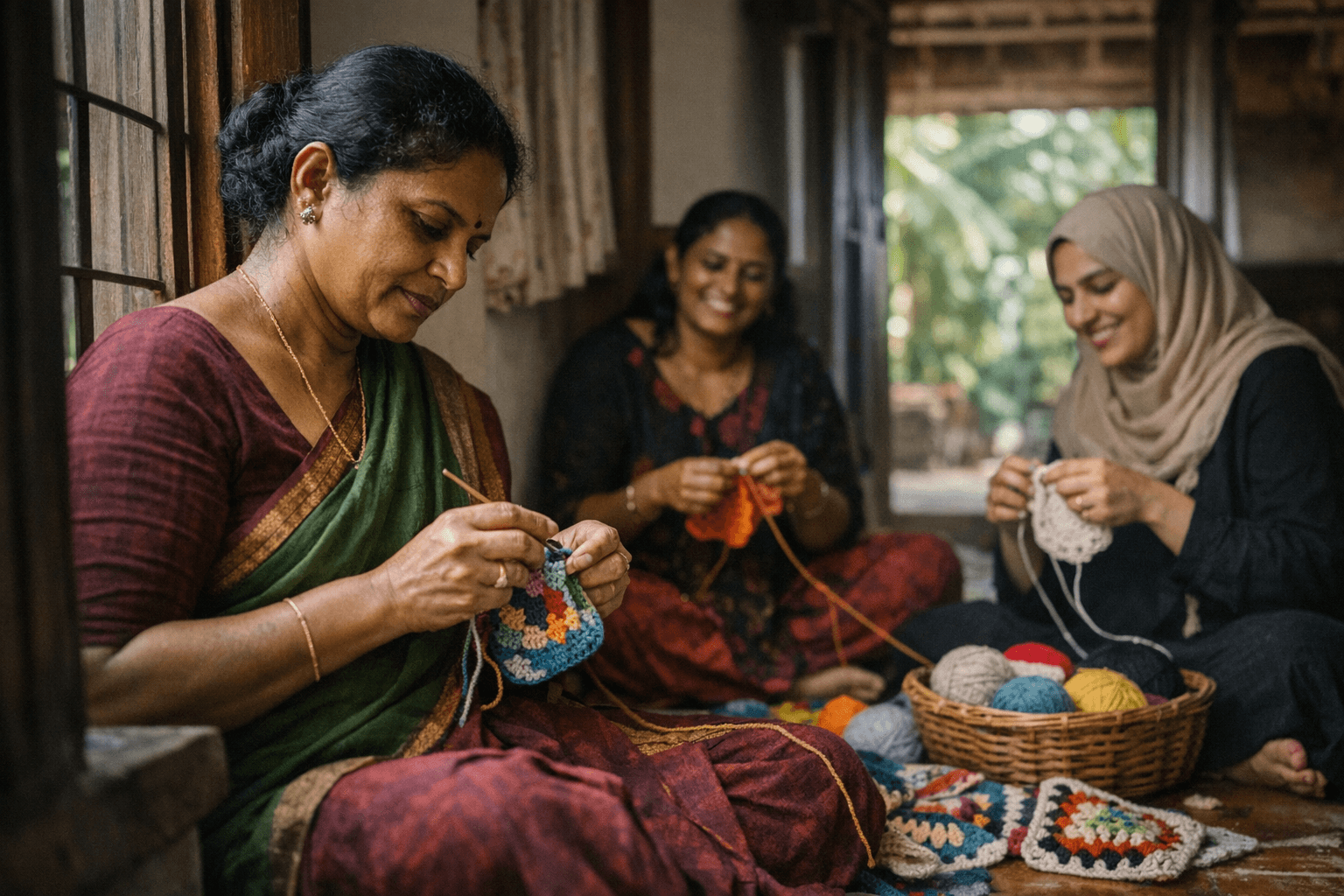
The Starlings began with two makers, one idea and a WhatsApp chat that quickly outgrew its original purpose. Kochi-based Sanjana Shafik and Kollam-based Aysha S Kabeer met at Olam, a cultural festival in Thiruvananthapuram, then started a group called Crochet Friends as lockdown kept people home and looking for connection.
That chat drew about 50 to 60 members before 35 women decided it should become something more durable. The result was The Starlings, a women-only collective that now has 25 active members and has turned crochet into a shared practice, a shared identity and, increasingly, a shared business model.
A network that reaches beyond Kerala
What makes The Starlings stand out is not just that it makes crochet items, but that it operates like a living supply chain built on trust. Some members are based outside Kerala and in West Asia, and the collective says its reach runs from Kerala to the GCC region, giving it a footprint that extends well beyond the state where it was born.
That geography matters because the group is no longer limited by a single local market. Its handmade pieces travel through a network of makers and buyers that can cross borders as easily as a stitch pattern crosses from one hook to another, which is part of why the group has become more than a casual craft circle.
What the collective makes, and why that matters
The Starlings works across a wide range of crochet goods, from small giftable pieces to larger custom orders. Its catalog includes amigurumi toys, wall hangings, crochet plants, flowers, flower pots, rattles, plushies, key chains, baby sets, dresses, booties, shoes, bags, pouches, car hangings and accessories.
That variety is not just about having more products to sell. It shows how crochet can move between decoration, utility and gifting without losing its handmade appeal. The group’s own website highlights handmade bags, plush toys, baby rattles and booties, reinforcing the idea that the collective is building a recognizable crochet identity rather than chasing one-off trend pieces.
A bulk order soon proved the scale that a well-organized crochet group can reach. A few months after The Starlings formed, it secured work worth 10 lakhs from a Hyderabadi client based in the United States, making amigurumi toys for Halloween, Thanksgiving and Christmas. That order was both a commercial milestone and a reminder that crochet, when coordinated well, can move far beyond hobby-table sales.
Why the group model works better than lone selling
Members say the move from WhatsApp group to collective helped reduce ego and competition, which is a practical advantage in a craft economy where many makers sell similar pieces. Instead of each person competing in isolation, the group gives members a way to share visibility, share orders and present a stronger front to buyers.
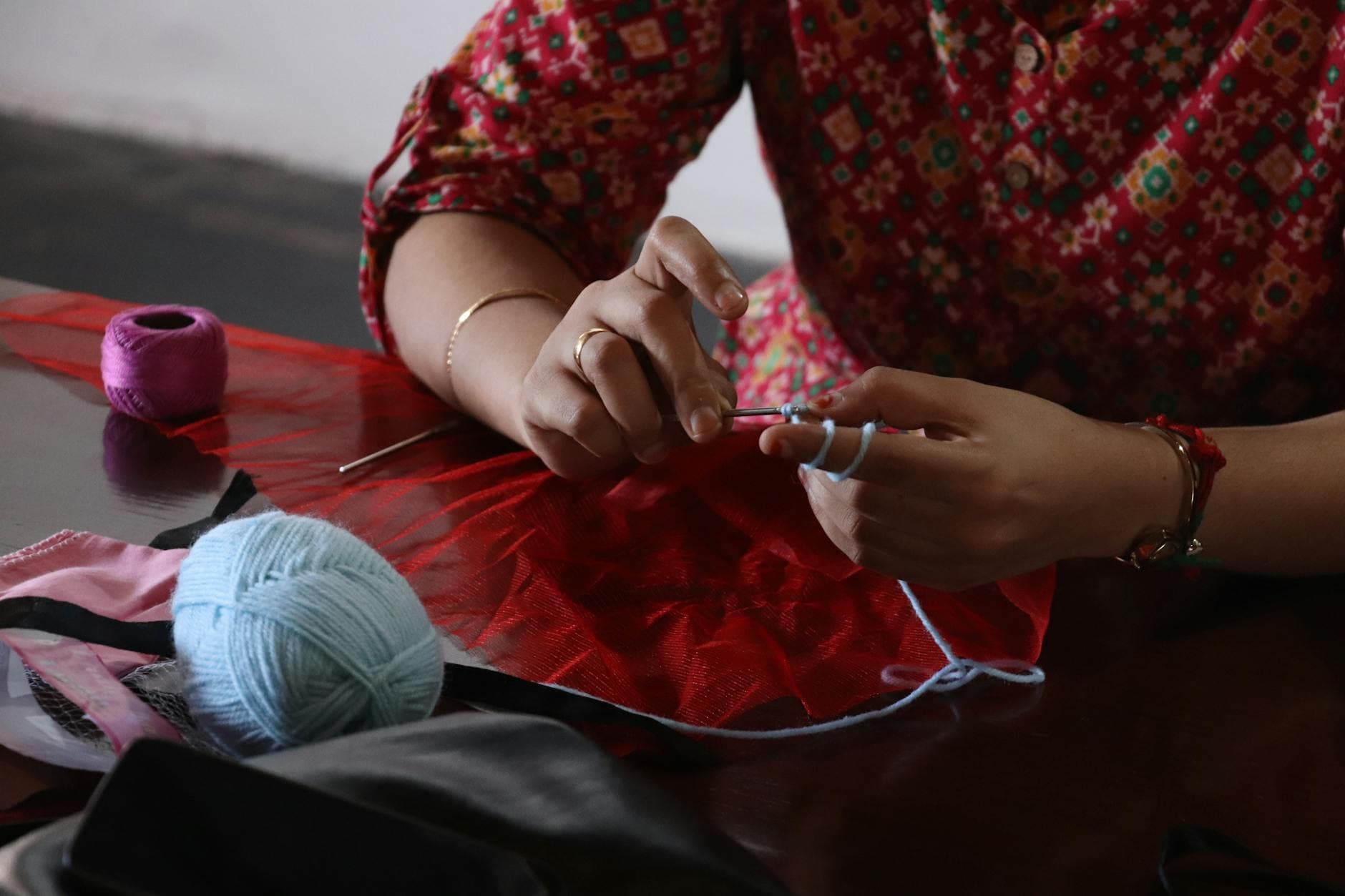
The collective also offers protection against a common problem for individual makers, resellers trying to buy finished products cheaply from one person and flip them elsewhere. By working as a group, The Starlings helps members stand together on pricing and keep more control over how their work is sold.
There is another practical layer here too: commissions from orders are partly used to meet exhibition expenses. That means each successful order can help fund the next public display, keeping the group visible and giving members more chances to show work, meet buyers and expand their reach.
Crochet’s wider revival during lockdown
The Starlings did not emerge in a vacuum. During India’s extended lockdown, crochet was being rediscovered as a calming, meditative activity, a craft that demanded focus at a time when many routines had broken down. Interest in the form was visible online as well, with #crochetersofinstagram reaching 4 million posts and counting.
Other large groups were part of that same wave. Mother India’s Crochet Queens had 6,000 members worldwide, while Happy Threads brought together over 700 women artisans across India. The Starlings fits neatly into that broader revival, but with a more specific cross-border identity rooted in Kerala and West Asia.
Why this matters for women makers
The craft revival also sits inside a harder economic story. Research from Economic and Political Weekly noted that the pandemic hit self-employed women especially hard, including home-based workers and women entrepreneurs, and estimated that around 17 million to 19.3 million women were unemployed in the immediate aftermath of India’s lockdown.
That context helps explain why a group like The Starlings matters beyond the appeal of cute toys or neatly finished granny-square pieces. For many women, crochet became a way to keep skills active, earn income and avoid the isolation that can come with working alone. In that sense, the collective acts as infrastructure: it holds together friendship, skill-sharing, creative identity and a route into paid work.
The Starlings’ bigger lesson for crochet communities
The Starlings shows how a crochet group can become something sturdier than a chat thread or a market stall. It can become a system for moving work, protecting makers, funding exhibitions and building a recognizable presence across regions.
From Kerala to the GCC region, and from a festival meeting in Thiruvananthapuram to a 10 lakh holiday order headed for a client in the United States, the collective has turned crochet into a network with reach. That is the clearest sign of all that the stitch is doing more than decorating a finished object, it is connecting lives.
This article was produced by Prism’s automated news system from verified source data, official records, and press releases, then run through automated quality and moderation checks before publishing. The system is built and supervised by the people who set the standards it runs under. Read our full AI policy.
Did this article answer your question?