12-Minute Daily Mobility Routine Boosts CrossFit Performance and Injury Prevention
Twelve focused minutes every day, targeted at squat depth, hip hinge, overhead control and thoracic rotation, yields the biggest mobility return for CrossFit athletes’ training consistency and injury prevention.
CrossFit places unusually high demands on squat depth, hip hinging, overhead control and thoracic rotation; a compact, evidence- and practice-backed 12-minute daily protocol targets those four priorities and delivers the largest return for weekly training consistency and injury prevention. The routine below breaks the 12 minutes into focused, repeatable drills you can do before warm-ups, between sets, or on off days to protect your training load and keep progress steady.
1. Ankle banded dorsiflexion (1 minute)
A tight ankle kills squat depth. Use a light resistance band looped above the ankle, kneel with band pulling your tibia forward, and load the forefoot to drive dorsiflexion for 30–45 seconds each side. This directly improves front- and back-squat mechanics and helps you hit proper depth under load, which is one of the four CrossFit-specific demands this protocol targets.
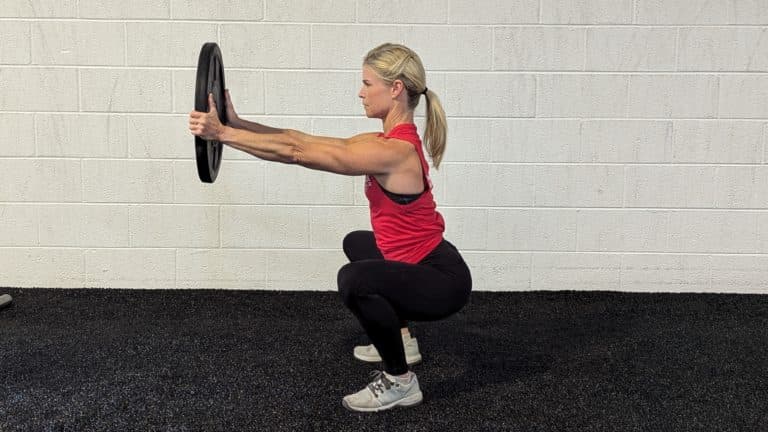
2. Goblet squat with 3-second bottom pause (1 minute)
Reinforce safe squat depth with load and control: hold a kettlebell or dumbbell close to the chest and descend into a full squat, pausing for three seconds at the bottom before a controlled stand. The pause trains motor control in the position CrossFit asks for and reduces knee-dominant compensation on high-rep cleans and squats, supporting both performance and injury prevention.
3. Couch stretch for anterior hip and quad mobility (1 minute)
Tight hip flexors impede hip hinging and shift load into the lumbar spine. The couch stretch, rear foot wedged against a wall, front knee at 90 degrees, opens hip extension and lengthens the quads. Spend 30–45 seconds each side; improving hip extension range is a direct, practical fix for better deadlifts, cleans and snatches.
4. 90/90 hip mobility (1 minute)
CrossFit needs smooth internal and external rotation for pistol squats, transitions, and stable snatches. Sit in the 90/90 position and gently switch between internal- and external-rotation dominant sides, seeking fluidity not forced end-range. One minute of controlled reps maintains hip health and complements hip-hinge mechanics.
5. Single-leg Romanian deadlift (1 minute)
Load transfer through a loaded hip hinge is the backbone of safe deadlifts and clean pulls. With bodyweight or a light kettlebell, hinge at the hips on one leg, reach toward the floor, and return with control for 30 seconds per side. This drill reinforces posterior-chain tension, spinal neutrality and hip-hinge patterning across unilateral imbalances.
6. Thoracic rotation with dowel or band (1 minute)
Thoracic rotation feeds shoulder positions for overhead lifts and protects the lumbar spine during heavy front racks. Kneel or stand and rotate the thoracic spine with a dowel or band overhead, aim for smooth, controlled rotation through the chest, not the lower back. One minute of focused thoracic mobility directly addresses the rotation demands noted as critical for CrossFit performance.
7. Foam-roll thoracic extension over the roller (1 minute)
Follow rotational work with active extension to restore thoracic extension for better overhead bar paths and rack positions. Spend one minute slowly extending over a foam roller placed under the mid-back while supporting your head and initiating movement through the thoracic segments. This helps maintain overhead control in presses and snatches by increasing posterior chain and thoracic compliance.
8. Shoulder dislocations (band or PVC) for overhead control (1 minute)
Controlled shoulder mobility keeps the scapula-humeral rhythm clean under load. With a PVC or band, perform slow shoulder dislocations to the point of tightness and back, focusing on scapular movement and breathing. One minute of this drill supports overhead stability for presses, jerks and snatches, the overhead control that CrossFit regularly demands.

9. Banded scapular distraction/overhead pull-aparts (1 minute)
Add a banded distraction to decompress the glenohumeral joint and improve the feel of overhead positions. Anchor a band overhead or use a medium band for overhead pull-aparts, emphasizing scapular depression and stability. This drill improves the quality of overhead work and lowers compensatory lumbar extension that can lead to injury.
10. Wall slides with breathing (1 minute)
Wall slides combine thoracic extension, scapular upward rotation and diaphragmatic control, three components that interact in overhead performance. Stand against a wall and slide arms overhead with back contact, coordinating exhale as you reach and inhale as you return. This ties breathing to mobility, which is essential for consistent training and injury prevention.
11. Glute bridge progression with isometric hold (1 minute)
Posterior chain activation preserves hip-hinge integrity across volume days. Perform controlled glute bridges with a 3–5 second isometric hold at the top for 30 seconds, then single-leg bridges for the remaining time. Strong, reactive glutes reduce lumbar strain during repeated deadlifts and cleans, directly addressing the hip-hinging demand in CrossFit.
12. Integrative step-through + diaphragmatic reset (1 minute)
Finish with a dynamic lunge step-through while maintaining diaphragmatic breathing and upright thoracic position to marry mobility and motor control. Perform slow step-throughs, rotate the torso toward the forward leg and prioritize breath for one minute. This consolidates gains across squat depth, hip hinge, overhead range and thoracic rotation so the mobility carries into lifting and metcons.
- Time and consistency trump volume: a strict 12-minute daily habit is designed to deliver the largest return for weekly training consistency and injury prevention, short, repeatable work beats sporadic long sessions.
- When to do it: before a skill or strength warm-up to grease movement patterns, between heavy sets to reinforce position, or on active recovery days to preserve readiness.
- Load progression: start bodyweight and bands; add light kettlebells to goblet squats or RDLs only when mobility and control are consistent.
- Pain vs. stretch: mobility should produce tension and improved movement, not sharp pain, scale back if joint pain appears.
Daily practice notes and programming tips
Why this routine matters for CrossFitters CrossFit repeatedly asks athletes to string deep squats, loaded hip hinges, stable overhead positions and thoracic rotation into high-tempo sequences. By isolating and briefly hammering each of those four priorities every day, this 12-minute protocol maximizes the return on time invested and protects the week-to-week consistency that drives gains in strength and skill. In short: do the short, specific work daily and your training load goes farther with less interruption from nagging limitations.
Closing thought Make this 12-minute habit non-negotiable for six weeks and you’ll likely regain lost range and protect your training calendar, small, daily mobility wins compound into fewer missed sessions and smoother, safer lifts in class and competition.
Know something we missed? Have a correction or additional information?
Submit a Tip