CrossFit Releases New Toes-to-Bars Guidance Emphasizing Rhythm, Progressions
CrossFit released updated toes-to-bars guidance prioritizing rhythm and progressive drills to help athletes build reliable, repeatable reps for the Open.

CrossFit has updated its coaching guidance for toes-to-bars, shifting emphasis from brute force to rhythm and staged progressions that coaches and athletes can apply in the 2-6 week lead-up to the Open. The movement is framed as a linking skill that depends on coordination, hip‑flexor strength, lat engagement and grip endurance, and the new guidance drills down on the technical errors that commonly break flow during high-rep sets.
The guidance highlights three common faults. First, excessive lower-body driven swinging turns the kip into an uncontrolled pendulum; athletes must initiate the swing from the shoulders and use controlled hollow and arch positions. Second, poor lat engagement, bending the arms too early, prevents efficient hip elevation and makes reaching the bar difficult. Third, bad timing and rhythm when linking reps leaves athletes unable to return to an aggressive arch and drive the feet behind the bar, which is essential to flow into the next rep.
To address those faults, CrossFit lays out progressions and concrete practice drills. Start with hollow and arch holds while hanging to ingrain the positions. Move into kip swings to develop rhythm by practicing pressure on the bar and alternating hollow and arch. Progress through hanging knee raises, tuck and flick drills, kipping knees-to-chest, and incremental linking sequences. A practical example moves athletes from two kip swings plus two kipping knees-to-chest to two kip swings plus two toes-to-bars.
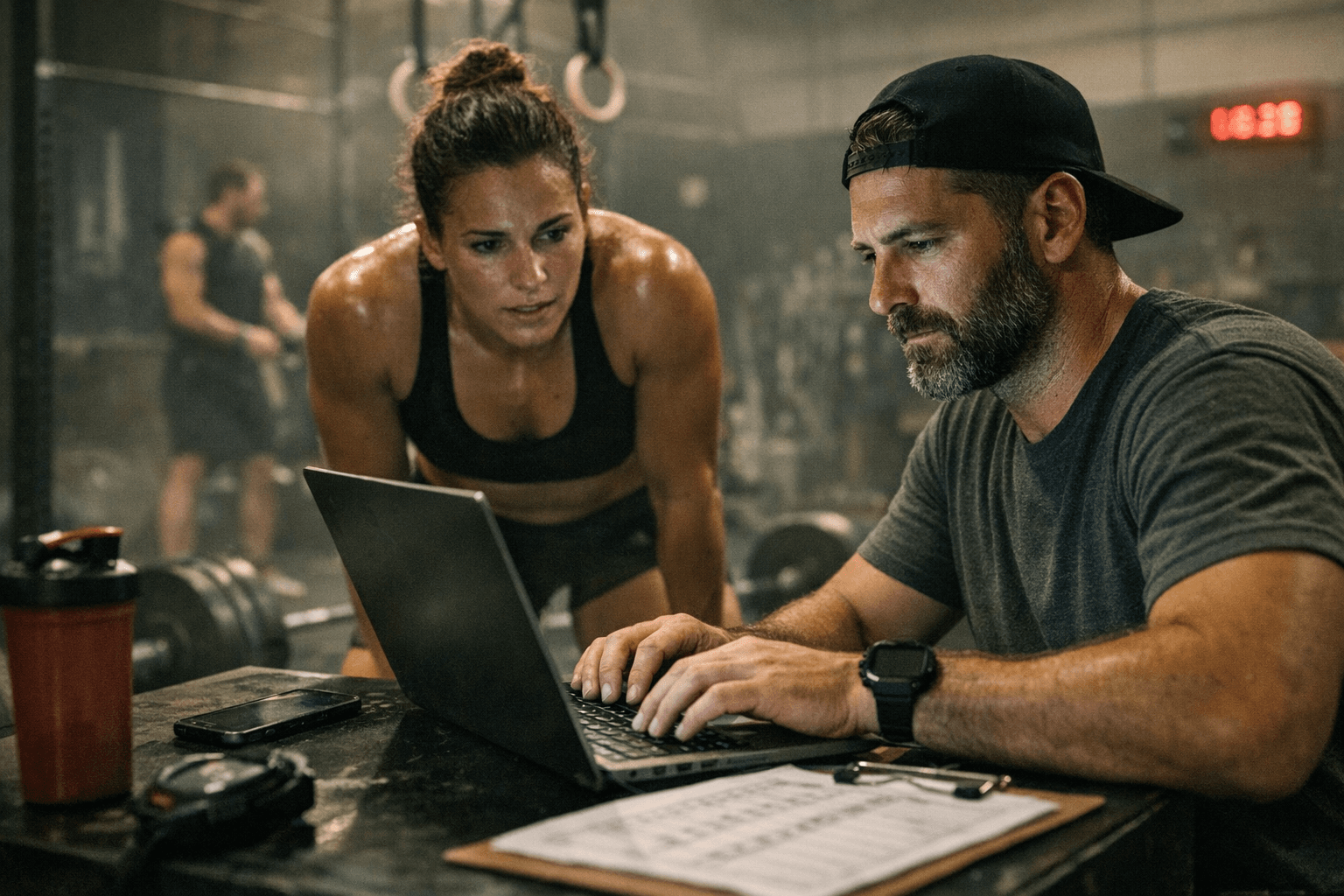
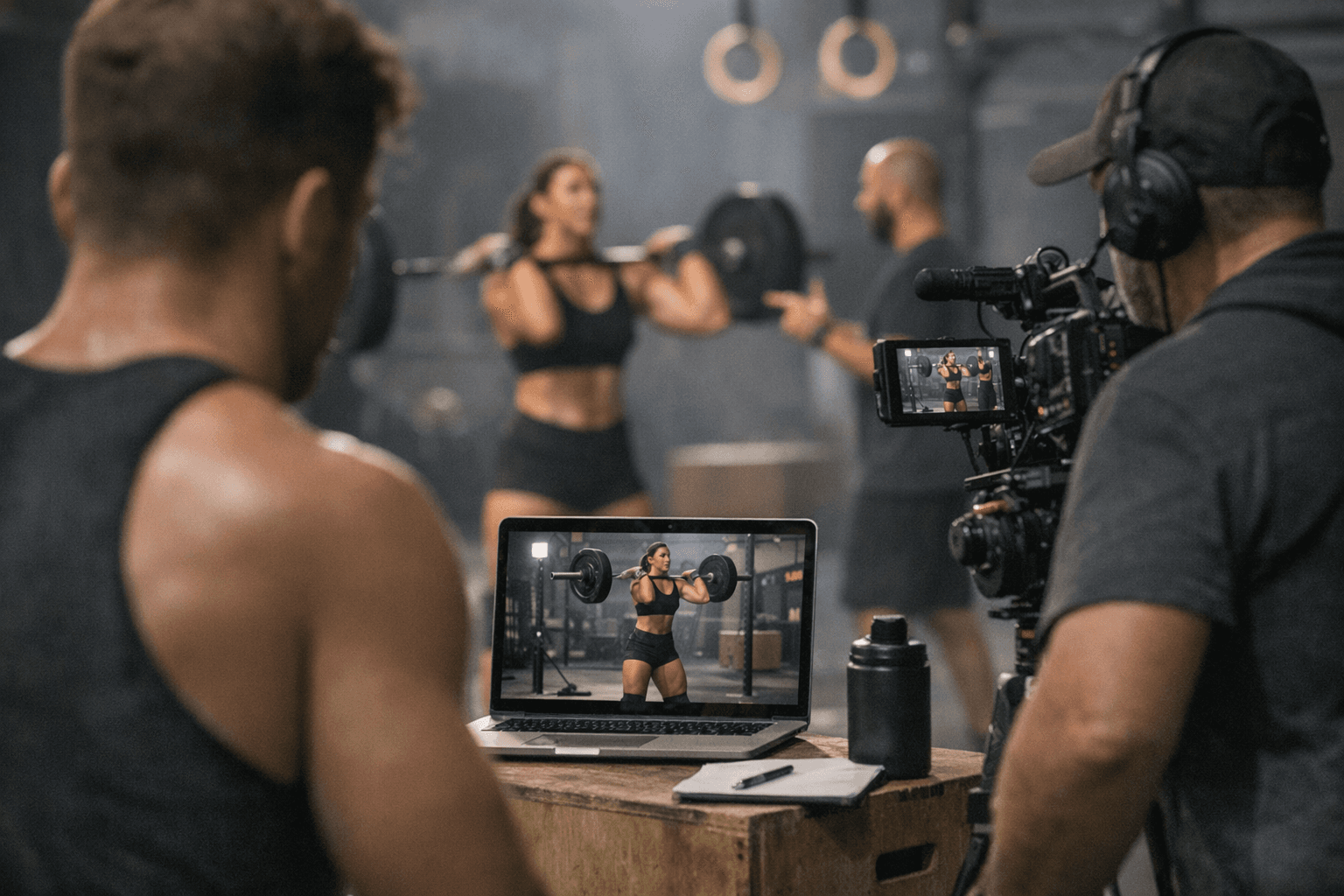
Programming advice is specific and time‑efficient. The guidance recommends several 10-minute skill blocks per week, paired with short, heavy strength sessions such as low-rep pull-ups,_negatives and isometrics to build capacity. Warm-ups and cooldowns are framed as opportunities for focused practice. Coaches are encouraged to set process-oriented goals, record video for feedback, and celebrate small wins like nailing the hollow/arch, finding a reliable flick, or linking two reps smoothly.
Coaching cues focus on measurable actions. Pull down on the bar to engage the lats during the kip swing. As the chest moves into the arch, drive the feet down and back behind the vertical plane to create leverage to lift the toes to the bar. Break the skill into steps, hollow/arch, kip swings, knee raises, flicks, linking, and only add complexity once prerequisites are met.
For the Open, the practical takeaway is clear: reproducible rhythm beats brute force when reps are scored under fatigue. Coaches and athletes who follow the stepwise progressions and prioritize short, frequent skill blocks should find tighter sets and more repeatable scoring during Open workouts.
Know something we missed? Have a correction or additional information?
Submit a Tip