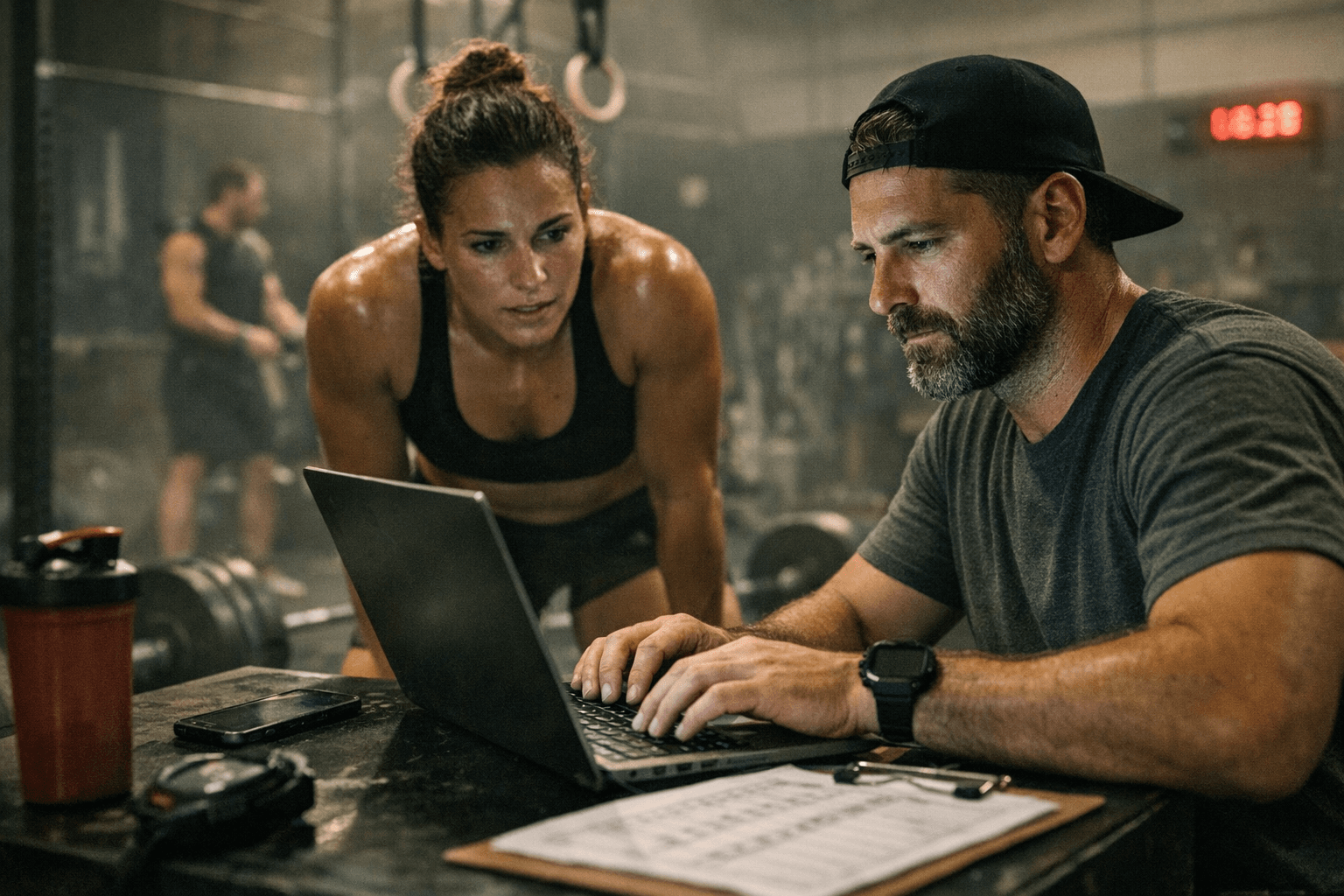
Evidence-Based Scaling Principles Keep CrossFit Open Workouts Safe and Competitive
Coaches and athletes are using evidence-based scaling principles to keep CrossFit Open workouts safe while preserving competitive stimulus and fairness.
CrossFit Open workouts can still push athletes without increasing injury risk when scaling follows clear, evidence-based principles. Coaches and athletes are shifting focus from simple substitutions to preserving the intended stimulus of each workout - energy system, intensity, and skill demand - so scaled options remain competitive and safe.
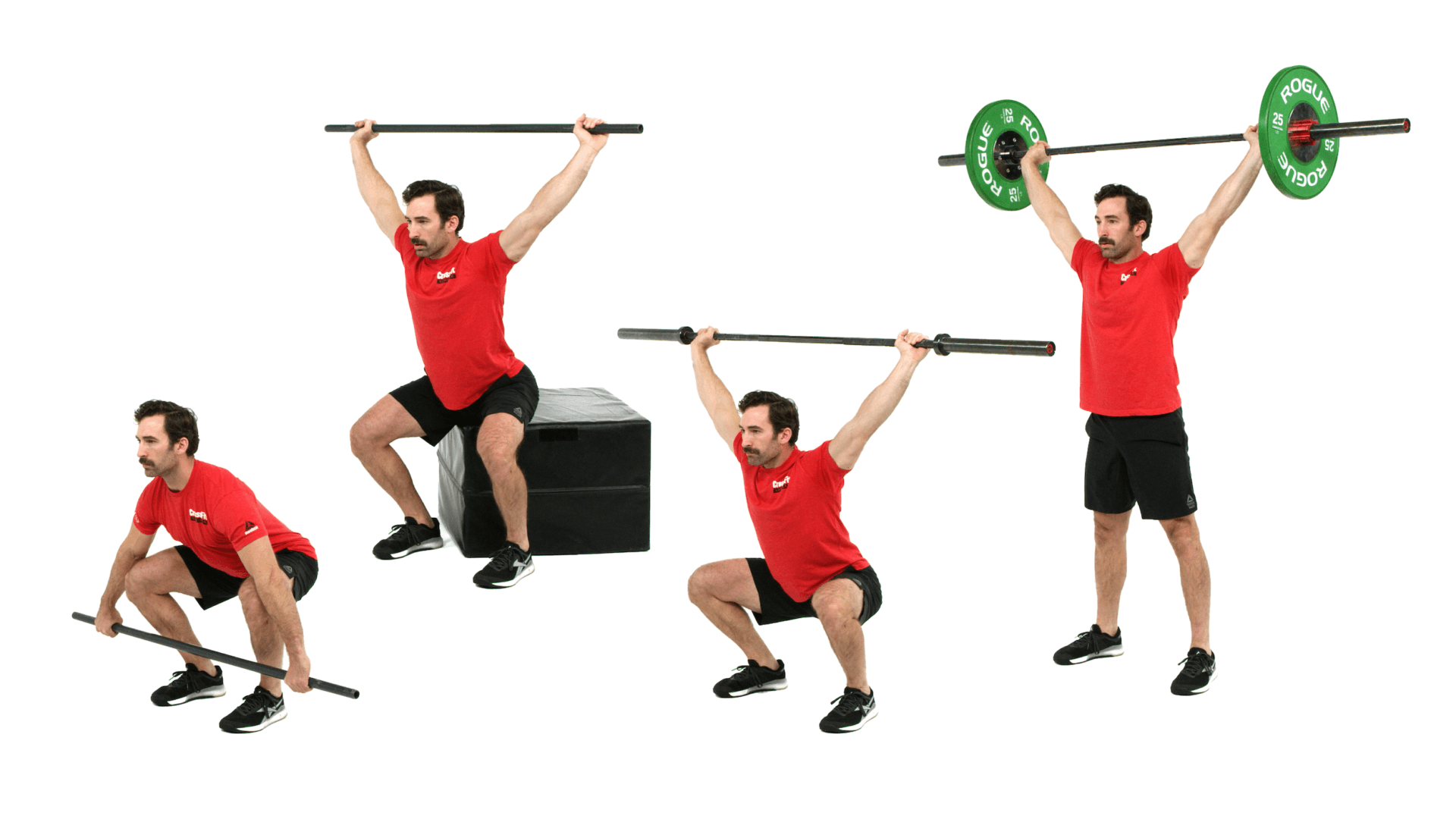
Start with the workout’s target. Identify whether a workout is testing strength, power, gymnastics capacity, or metabolic conditioning. Preserve that target by choosing scaling options that replicate the same stimulus. For strength-focused tasks, reduce load in percentage steps of an athlete’s training max rather than swapping to an unrelated movement. For high-skill gymnastics, replace a ring muscle-up with a chest-to-bar or strict pull-up progression that keeps upper-body pulling demand and timing. For metabolic tests, shorten work volume rather than neutralize pace by introducing long rest blocks.
Use relative loads and intensity over arbitrary numbers. Work off a recent training max or a verified one-rep max when specifying scaled loads; aim for roughly 60-85 percent of an athlete’s training max to preserve intensity without forcing technical breakdown. Monitor rate of perceived exertion and target ranges - for Open-style efforts, an RPE window of 7 to 9 is realistic for Rx attempts, with scaled versions aiming for RPE 6 to 8 to maintain competition without excessive risk. When prescribing time domains, keep target durations consistent: a short sprint WOD should remain a short sprint for scaled athletes, not become an endurance piece.
Standardize substitutions so judges and scorekeepers can compare results across athletes. Define acceptable movement swaps and create a hierarchy of options: first choice keeps the same muscle groups and rep scheme; second choice modifies volume or load; last choice alters movement pattern. Run capability gating during warm-ups so athletes don’t attempt Rx standards they cannot safely perform. Encourage a “scale smart, not small” mindset: choose the scaled option that preserves the workout’s intent rather than down-grading to comfort.

Plan logistics to support good scaling. Coaches should prepare scaling cards for each heat, assign judges familiar with standards, and stage equipment to minimize risky transitions. Use heats grouped by realistic ability ranges rather than simply by age or membership tier. Track performance metrics across scaled and Rx athletes to refine percentage guidelines and substitutions for future Opens.
For athletes, this approach keeps competition meaningful: scaled divisions can still be competitive while reducing the chance of acute injury or chronic overload. For coaches, evidence-based scaling reduces subjective calls and helps maintain fairness and integrity in scoring. Expect more gyms to adopt consistent, documented scaling protocols that align load, volume, and skill with each workout’s intent, keeping the Open both inclusive and tough.
Know something we missed? Have a correction or additional information?
Submit a Tip