Mentorship, Not Marketing, Determines CrossFit Affiliate Survival and Member Retention
Coaching quality, not marketing or machines, decides whether an affiliate thrives; mentorship stops coaching drift and boosts retention.
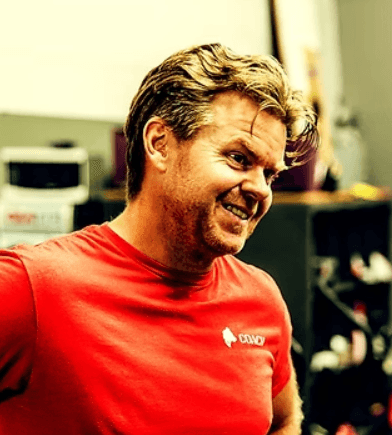
What happens on the floor matters more than the feed. Matt Spencer, CF-L3, argued that CrossFit affiliates survive and thrive by investing in coaching development, not by chasing Instagram followers or boutique equipment. Persistent coaching drift - when owners and coaches fall back into timekeeping instead of teaching - erodes member progress and increases churn.
Spencer recounted a personal turning point after he failed a Level 4 evaluation by a single point. Rather than double down on surface fixes, he worked with veteran mentor Joe Masley to recalibrate teaching and planning. The mentorship revealed small blind spots that compounded over months: cue quality, midline control, and sequencing of corrective cues. Once those micro-issues were corrected, coach effectiveness and class outcomes improved measurably.
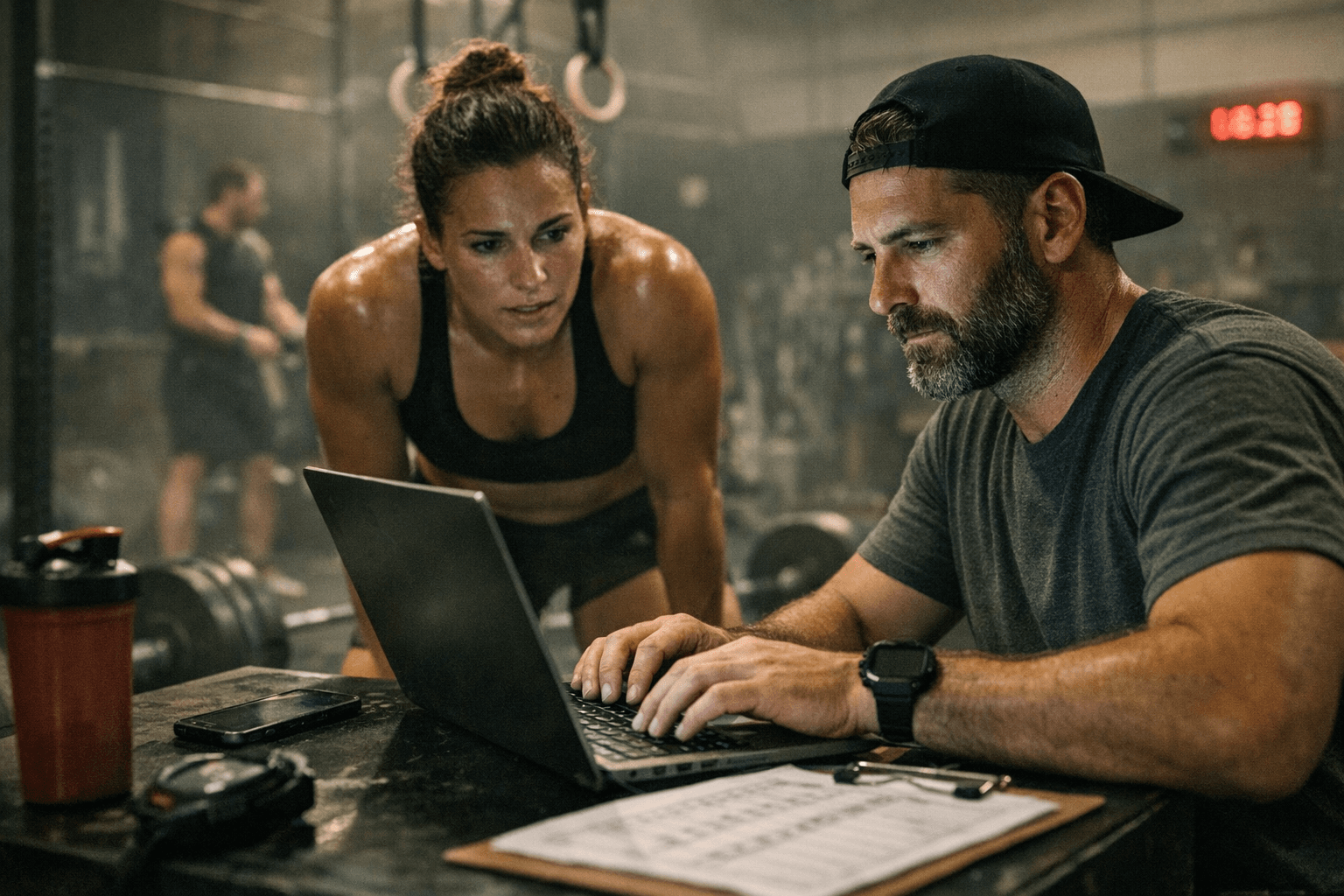
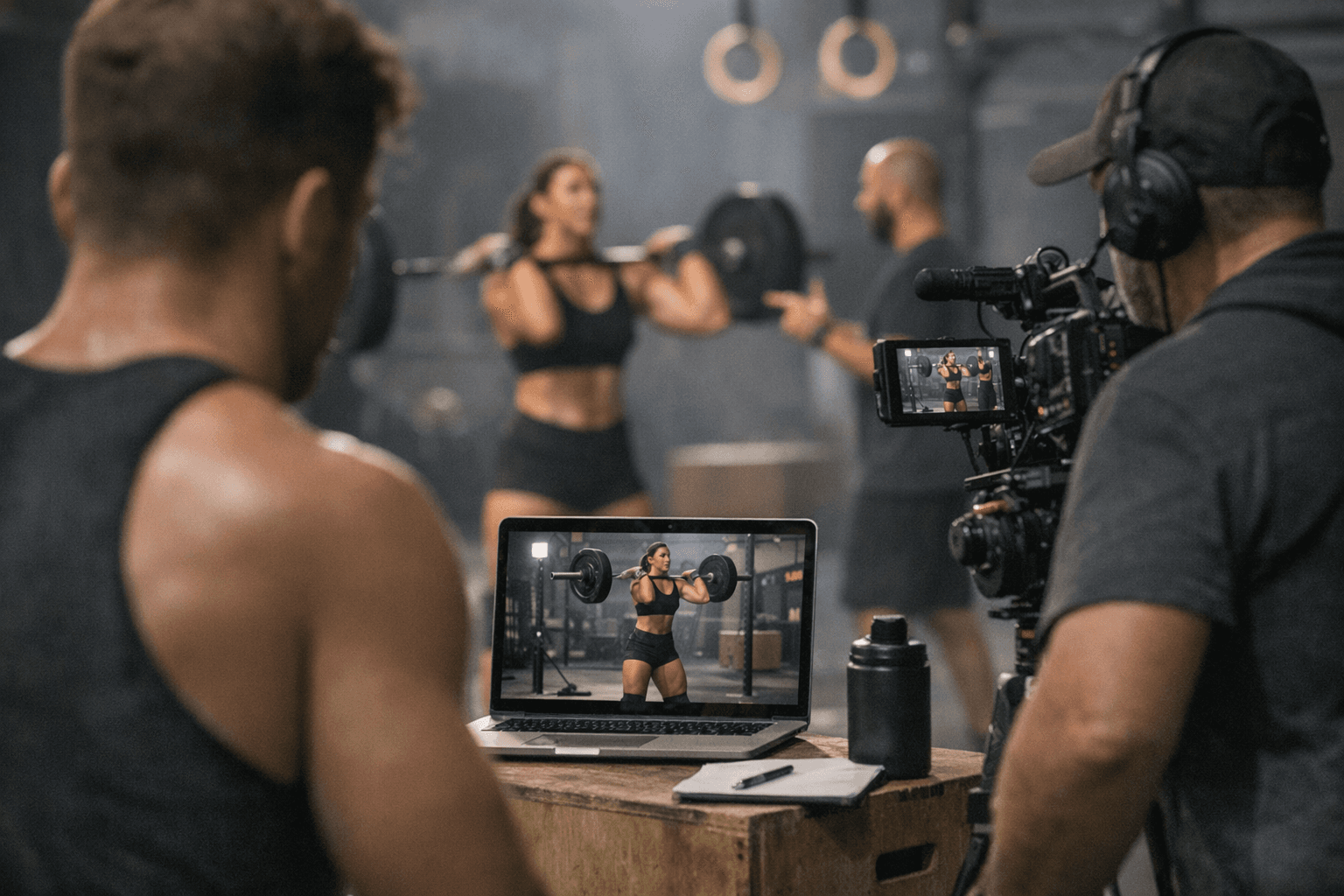
The mentorship process Spencer describes relies on recorded classes, targeted feedback, and a weekly cadence of review. Recording classes made quiet faults visible; targeted feedback isolated specific coach behaviors to change; weekly check-ins created accountability and momentum. Mentors applied CrossFit principles to coach development through a threshold-training approach: start with strengths such as group management, then layer mechanics and consistency, and finally focus on intensity. That progression mirrors athlete development and gives coaches a roadmap for incremental improvement.

The practical payoff is immediate and scalable. Better cueing and midline control reduce injury risk and accelerate skill acquisition for members. Stronger coach planning and teaching turn drop-in satisfaction into long-term retention. Spencer framed this as a ripple effect: improved coaching produces better member results, which increases retention and creates a sustainable staff development model. The cultural shift moves an affiliate from top-down policing of standards to lateral learning where coaches mentor each other.
Owners can act without a big budget. Invest time in structured mentoring, require recorded classes for review, schedule weekly feedback sessions, and prioritize rebuilding cue libraries and technical standards. Treat mentorship as professional development rather than an admission of failure to erase the taboo around seeking help.

Put coaching under the microscope and make teaching the competitive edge. Affiliates that build deliberate mentorship systems will likely see stronger athlete outcomes, steadier retention, and staff who develop into consistent leaders on the floor.
Know something we missed? Have a correction or additional information?
Submit a Tip