Year-Round Programming and Light Skill Work Beat Open-Only Cramming
Stephane Rochet argued that consistent year-round programming plus light, targeted skill work trumps last-minute Open-only cramming for long-term gains and safer peaking.
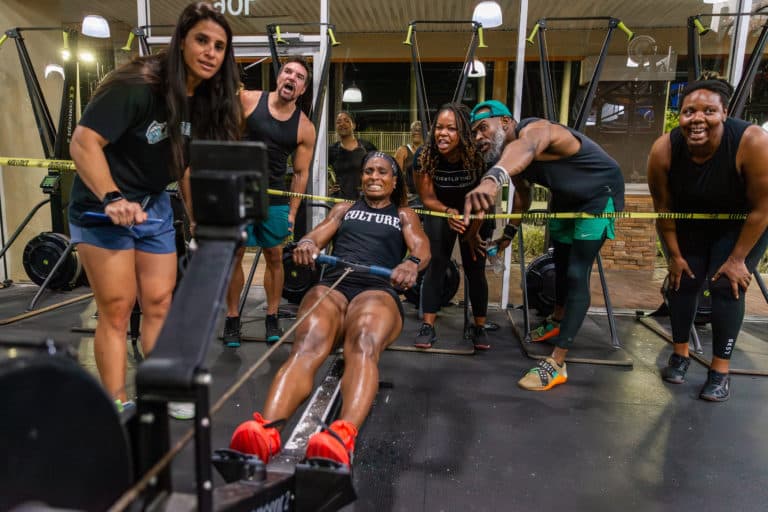
Coach Stephane Rochet argued that the best preparation for the CrossFit Open comes from the consistent training athletes maintain year-round, not from a frantic, Open-only cram. That matters for athletes, coaches, and affiliate owners because it shifts the focus away from short-term peaking toward steadier progress, lower injury risk, and clearer planning across training cycles.
Rochet recommended trusting established programming and resisting the urge to overhaul plans in the weeks before the Open. Instead, he advised adding light, targeted skill work into warm-ups - things like double-unders, wall balls, and muscle-up progressions - without ripping up the training calendar. The approach treats the Open as a diagnostic tool: the workouts will reveal specific gaps in athletes' capacity and technique that care and consistency will address over subsequent cycles.
For coaches and affiliate owners this perspective changes how to allocate coaching resources in the leadup to the Open. Rather than running an all-Open prep block that scrambles programming and prioritizes short-term peak attempts, keep the macro plan intact and layer small, focused skill drills into warm-ups and accessory time. That allows classes to stay on track with strength cycles, conditioning development, and recovery plans while giving athletes a chance to practice Open-specific movements under low fatigue. It also helps reduce the common spike in injuries and burnout that comes from cramming high-skill volume into a three-week window.
The argument maps closely to elite coaching philosophies: maintain the process, let the Open provide feedback, and use that feedback to inform the next training cycle. When the Open exposes weak links - whether singles capacity, efficiency on repeated wall ball reps, or unsteady kipping for muscle-ups - coaches can prioritize those deficits in the weeks and months that follow. That shifts the Open from a make-or-break week to a useful marker on a longer timeline.

Practical takeaways are straightforward. Keep your program’s long game intact, add short technical blocks for priority movements into warm-ups, and use Open results as data to plan future mesocycles. For affiliates, this means clearer class structures, steadier member progress, and fewer emergency skill sessions. For athletes, it means more durable gains and cleaner peaks when it matters.
The net effect is a calmer, smarter approach to the Open: one that values the slow build over the scramble and treats every Open rep as information rather than a last-chance test. Coaches and athletes who adopt that mindset can expect safer training, better long-term development, and more actionable plans after the scorecards come in.
Know something we missed? Have a correction or additional information?
Submit a Tip