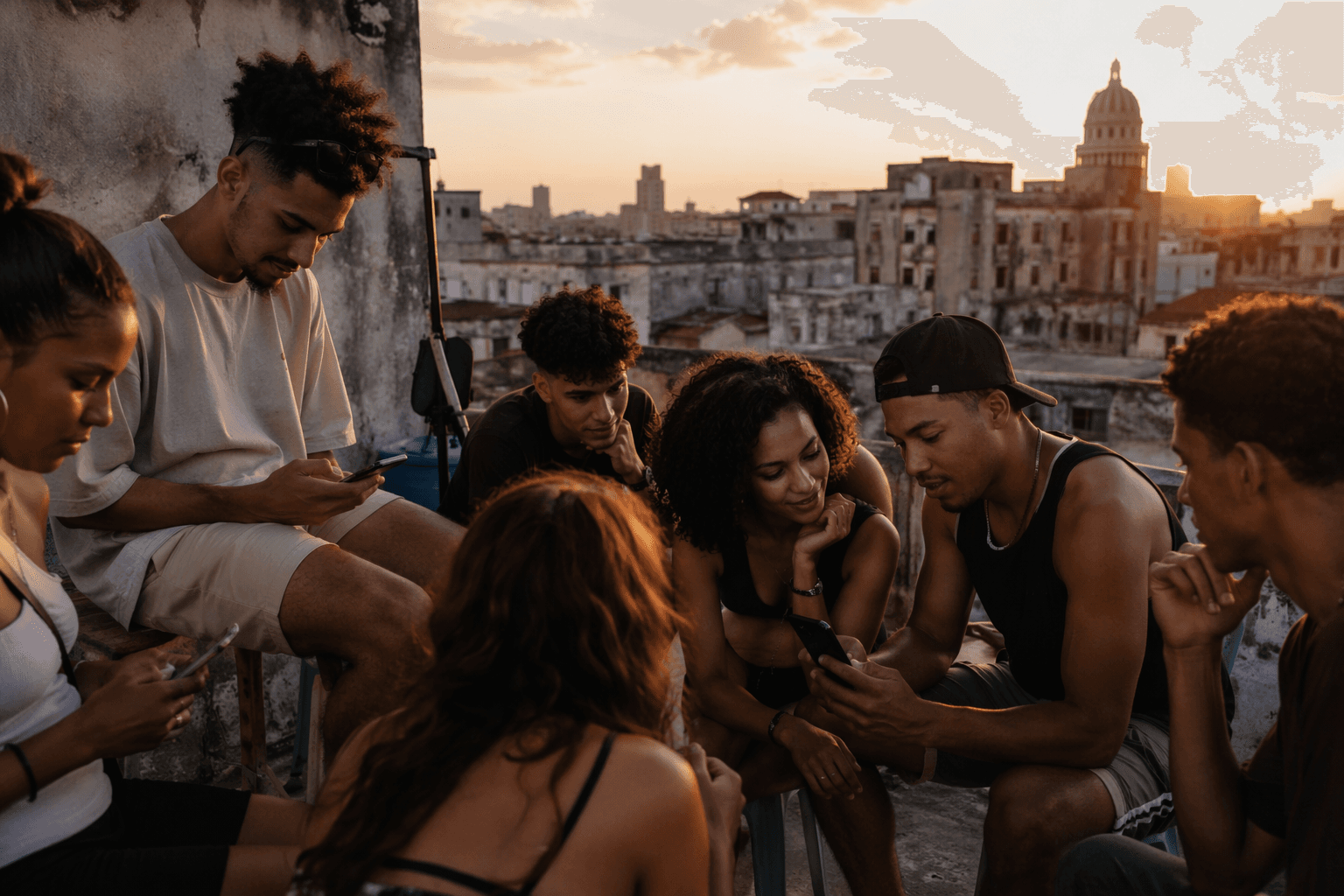
Acosta weighs fears of U.S. intervention as Cuba pressure grows
Jim Acosta put invasion fears back on the table as Trump’s “next” remarks, new sanctions and Cuba’s crisis sharpened the island’s sense of pressure.

Jim Acosta brought an old Cuban nightmare back into the room: whether talk of U.S. intervention is just commentary theater, or another sign of how much pressure Havana is under right now. In a discussion with former Obama official Ben Rhodes and others, Acosta pushed the question of whether Cuba could be next, and the answer was shaped less by fantasy than by the blunt accumulation of recent White House pressure, sanctions and hard-line rhetoric.
The anxiety is not coming out of nowhere. In March 2026, Donald Trump said Cuba was “going to be next” and said he would not oppose oil shipments to the island, including from Russia. In a separate March remark, Trump said Cuba was going to “fall” and said he wanted to make a deal with the United States. Those lines have ricocheted through commentary spaces because they sound like more than routine bluster, even as they remain a long way from any actual policy order for military action.

What is real is the pressure campaign around Cuba. The U.S. Department of State says the embargo on Cuba was proclaimed in February 1962 by John F. Kennedy and remains in place today. On May 18, 2026, the department announced sanctions against 11 Cuban regime-aligned actors and three entities, part of what it describes as a broader campaign to counter threats posed by the Cuban regime. The policy framework also says Washington seeks a stable, prosperous and free Cuba while limiting economic practices that benefit the Cuban government or its security apparatus.
That mix helps explain why invasion talk can catch fire so quickly in Cuba-focused media circles. The island is already living through a severe economic crisis, and the State Department says Cuba’s economic mismanagement and political repression are major drivers of irregular migration. It says Cuban migration to the United States reached record levels after the July 11, 2021 protests and changes to visa and travel restrictions. The department’s 2024 human rights report on Cuba cites arbitrary arrest and detention, censorship and other serious abuses, including restrictions on free expression.
Acosta knows that history as well as anyone. He reported from Havana in 2009 after the Obama administration lifted some restrictions on American travel to Cuba, during the brief thaw of 2014 to 2016 that once made a different future seem possible. That is what gives the current conversation its edge: the island is again being discussed through the language of collapse and confrontation, but the facts on the ground still point first to embargo, sanctions and a government under strain, not an imminent invasion.
This article was produced by Prism’s automated news system from verified source data, official records, and press releases, then run through automated quality and moderation checks before publishing. The system is built and supervised by the people who set the standards it runs under. Read our full AI policy.
Did this article answer your question?