Blue Diamond exits Cuba as Iberostar cuts hotel operations
Blue Diamond quit Cuba outright as Iberostar dropped 12 hotels, sharpening pressure on rooms, jobs and the cash flow tied to visitors.
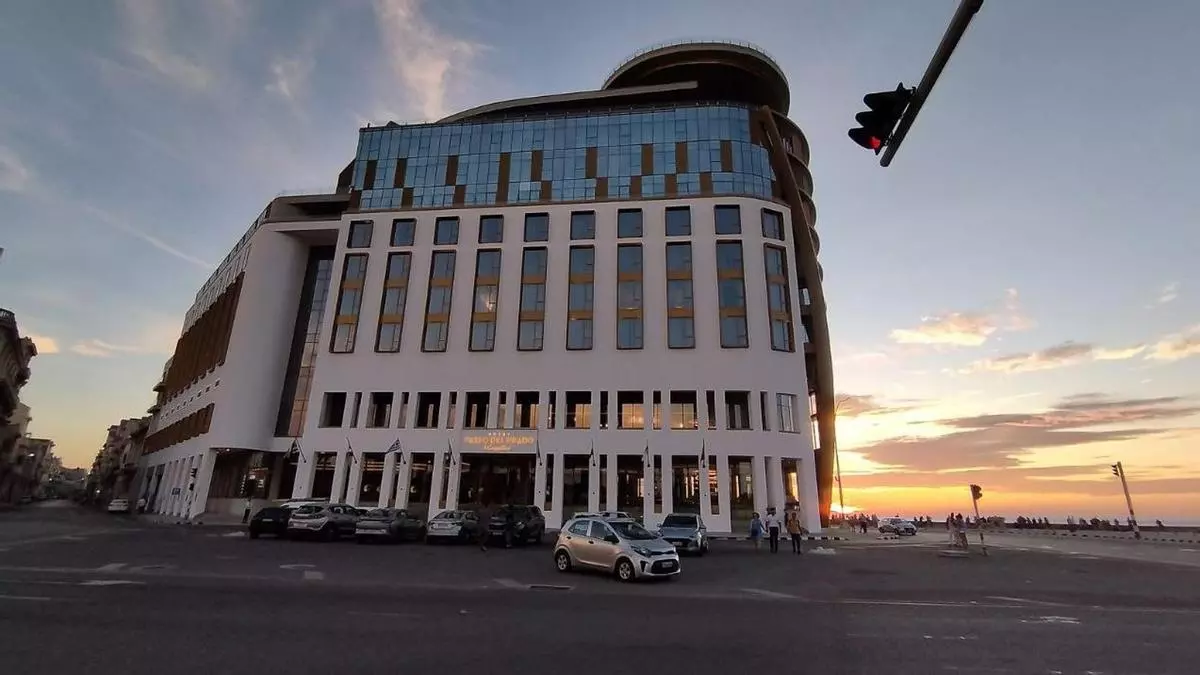
Cuba’s hotel sector took a hard hit as June opened: Blue Diamond Resorts said it was ending all of its Cuba operations, and Iberostar said it would stop managing, marketing and promoting 12 hotels on the island as sanctions pressure moved from policy papers into empty lobbies, payrolls and supplier contracts.
Blue Diamond’s exit was sweeping. The Canadian operator said its Cuba-facing brands, including Royalton, Memories, Starfish, Mystique and Resonance, would be handled by hotel owners or local operating entities from here on. The company had worked in Cuba since 2011, managed 62 hotels and more than 12,900 rooms, and had properties in Varadero, Havana, Cayo Coco, Cayo Santa María, Cayo Largo del Sur, Cayo Cruz, Trinidad and Camagüey. Its statement pointed to logistical, infrastructure and supply problems as well as the sanctions environment, a combination that leaves fewer international operators willing to keep their names on Cuban resorts.

Iberostar’s retreat hit some of the island’s best-known properties. The brand said its change took effect June 1, 2026, at the Iberostar Grand Packard, Iberostar Selection Ensenachos, Iberostar Coral Ensenachos, Iberostar Selection Holguín, Iberostar Coral Holguín, Iberostar Selection Esmeralda, Iberostar Coral Esmeralda, Iberostar Selection La Habana, Iberostar Origin Bella Vista Varadero, Iberostar Origin Laguna Azul, Iberostar Origin Playa Pilar and Iberostar Origin Playa Alameda. Iberostar said it would remain active in Cuba through other properties tied to Cubanacán and Gran Caribe, which are not linked to the military conglomerate.
The exits follow Executive Order 14404, issued by Donald Trump on May 1 and published in the Federal Register on May 7, which targets foreign persons operating in or supporting sectors of the Cuban economy tied to entities owned or controlled by the government. OFAC’s General License No. 1, also dated May 7, said prohibited transactions were authorized only to the extent they were otherwise allowed under the Cuban Assets Control Regulations. Multiple reports said foreign companies were given until June 5 to sever ties with GAESA or face sanctions exposure.
For Cuba’s tourism chain, the damage is not limited to brand names. Blue Diamond said reservations and coordination would shift away from its offices, while reports said control moved to Gaviota Tourism Group, which operates 121 hotels and resort villas with more than 44,000 rooms. That matters to the people who clean the rooms, stock the kitchens, move linen, truck food and fuel, and depend on steady foreign exchange when occupancy rises. It also lands in a market already under strain, with Cuba’s 2025 international visitor arrivals estimated at about 1.8 million, down roughly 18 percent from 2024 and far below the 4.7 million-plus peak of 2018. Blue Diamond’s brief reopening of three Varadero resorts only underscored how fast the ground shifted, and how quickly sanctions are now reshaping the island’s tourism map.
This article was produced by Prism’s automated news system from verified source data, official records, and press releases, then run through automated quality and moderation checks before publishing. The system is built and supervised by the people who set the standards it runs under. Read our full AI policy.
Did this article answer your question?