Canada warns against Cuba travel as shortages and outages worsen
Canada has raised its Cuba warning as fuel, power and supply shortages now threaten resort basics, while Canadian flights remain cut back and can change fast.
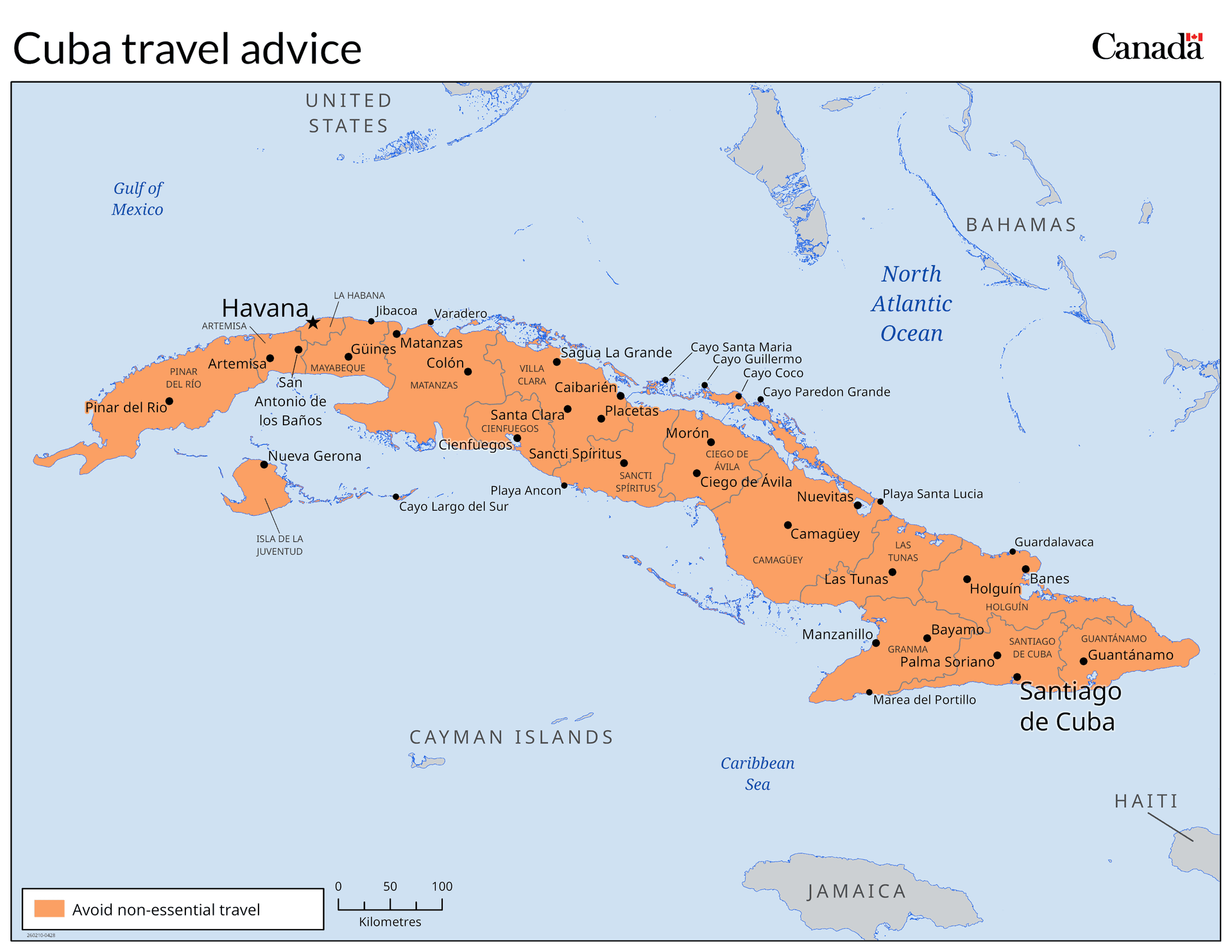
Fuel shortages, blackouts and missing basics are no longer background noise in Cuba, they are reaching straight into the resort day travelers expect to be stable. Canada’s updated advice now tells Canadians to avoid non-essential travel, warning that shortages of fuel, electricity, food, water and medicine can spill into resort operations, ground transportation and the services visitors usually take for granted.
The Government of Canada updated the advisory on May 25, 2026, and the tone was far tougher than a standard beach-season caution. It warned that long daily power cuts are common and that unexpected nationwide outages can last more than 24 hours. In practical terms, that can mean unreliable generators, disrupted food service, weak or absent running water and no hot water at hotels and resorts. The message also points to transport as a pressure point, with taxis and public transit often interrupted and fuel shortages making basic movement around the island harder.

Air service has already been pulled into the crisis. Canada says all Canadian airlines have suspended service to Cuba until further notice. Air Canada suspended flights on February 9, 2026, citing an ongoing shortage of aviation fuel on the island. Air Transat said on April 22, 2026, that it was adjusting its Cuba program and planned a gradual resumption no earlier than October 25, 2026. Air Canada later pushed its own planned resumption to November 1, 2026. For travelers, that means the assumption that a Cuba package can always be rebooked or rescued with another Canadian carrier no longer holds.
The strain goes beyond flight schedules. Canada’s travel-health notices list Cuba at Level 2 for chikungunya and Level 1 for dengue, adding another layer of risk for visitors already dealing with unstable infrastructure. The advisory also flags petty crime and tells travelers to keep a close eye on local conditions, but the dominant concern is the same one reshaping the island’s tourism economy: basic systems are failing in ways that can hit a trip from the first transfer to the last night in a resort.

The scale of the disruption is showing up in the numbers and in the hotel sector. International tourist arrivals in Cuba fell 56% in February 2026 from a year earlier. Havana has seen districts without electricity for 20 to 22 hours a day, and Cuban officials have said the country ran out of fuel reserves, diesel and fuel oil. Reports also say the government has been closing hotels and moving visitors to other properties as shortages worsen, including in places like Playa Larga. For anyone heading to Cuba now, the old assumption of a predictable resort bubble is the one that no longer survives contact with the island’s shortages and outages.
This article was produced by Prism’s automated news system from verified source data, official records, and press releases, then run through automated quality and moderation checks before publishing. The system is built and supervised by the people who set the standards it runs under. Read our full AI policy.
Did this article answer your question?