China reassures Cuba with rice aid amid rising U.S. pressure
China’s first 15,000 tons of rice reached Havana as Washington widened sanctions, turning Beijing’s support into a concrete lifeline, not just a diplomatic gesture.
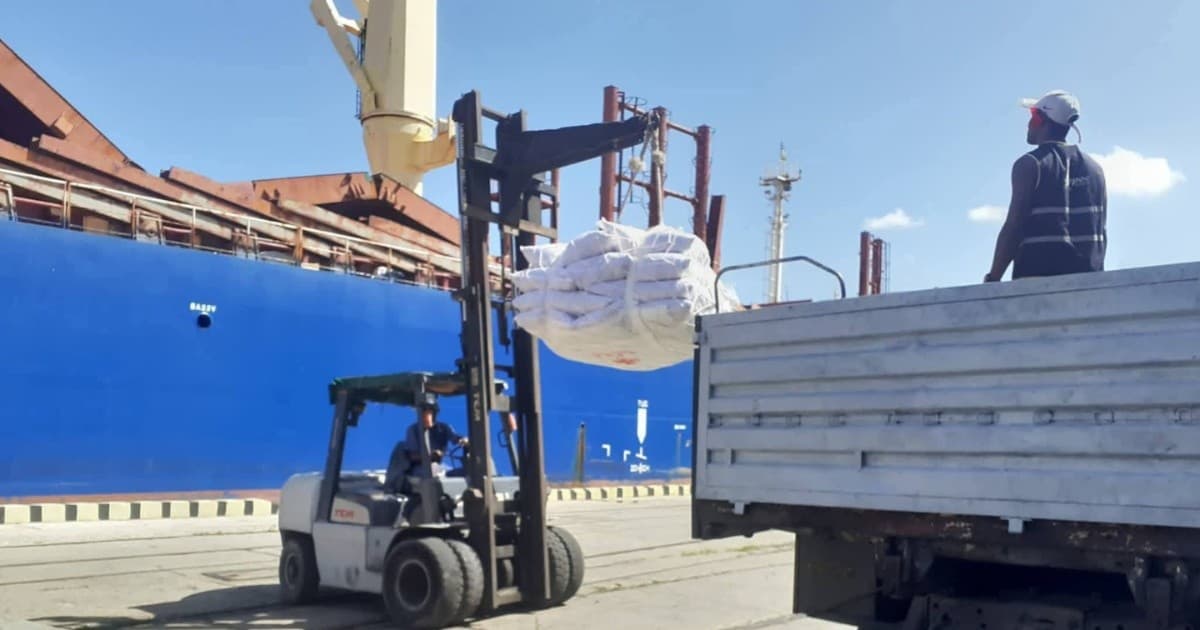
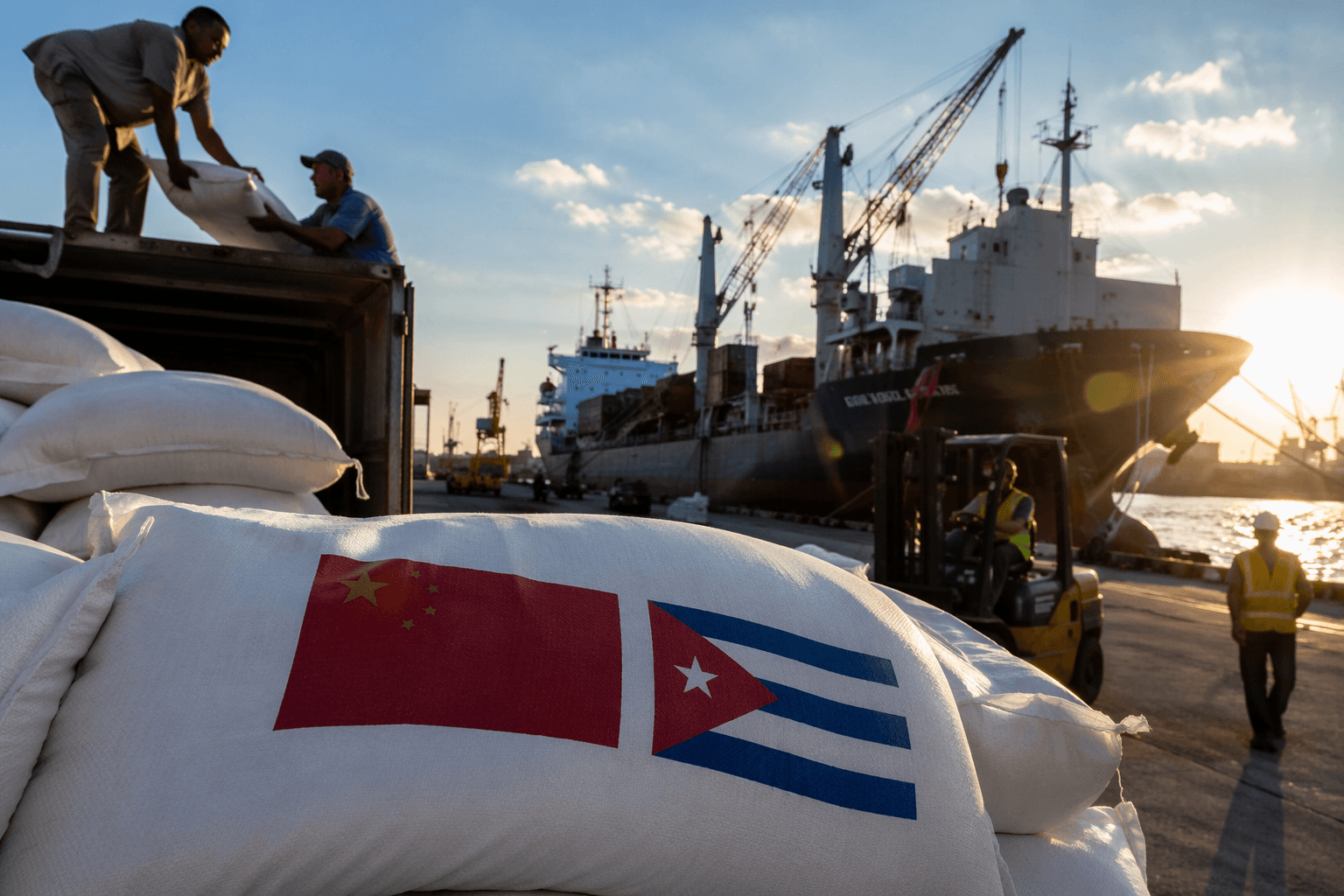
China moved to turn solidarity into something Cuba could unload at the Port of Havana: the first 15,000 tons of a promised 60,000-ton rice donation, arriving as Washington sharpened its pressure campaign and Havana faced a worsening food and energy crunch.
The signal came during a May 27 meeting in New York between Chinese Foreign Minister Wang Yi and Cuban Foreign Minister Bruno Rodríguez Parrilla. Chinese officials said Wang conveyed Xi Jinping’s greetings to Raúl Castro and President Miguel Díaz-Canel Bermúdez and pledged that Beijing would continue to support Cuba in safeguarding its sovereignty, national dignity, security and development interests.
The timing mattered. The meeting took place around a United Nations Security Council high-level session on upholding the U.N. Charter and strengthening the U.N.-centered international system, a setting that suited Beijing’s broader message about opposing power politics, external interference and what it cast as bullying. For Cuba, the message was more than rhetorical. The rice shipment gave a measurable sign of relief at a moment when shortages remain severe and every ton entering the island is being counted.
Washington has been escalating on several fronts. The State Department said President Donald Trump issued Executive Order 14404 on May 1, 2026, imposing sanctions on those responsible for repression in Cuba and threats to U.S. national security and foreign policy. It then said it targeted Cuban entities and security organs including Grupo de Administración Empresarial S.A. (GAESA), the Ministry of the Interior, the National Revolutionary Police and the Directorate of Intelligence, with more sanctions expected.
The pressure is also historical and political. The United States says its comprehensive economic embargo on Cuba dates to February 1962. In May, U.S. officials and outlets also reported murder-related charges against Raúl Castro over the 1996 shootdown of civilian planes, a sharp escalation that helped frame Beijing’s public backing of Havana as a direct rebuke to Washington’s line.
At the same time, the State Department said on May 13 that the United States was ready to provide $100 million in direct assistance to the Cuban people if the Cuban government allowed it, underscoring that Washington is mixing sanctions with its own humanitarian offer. China’s response, by contrast, arrived in sacks of rice at the Port of Havana, where diplomacy became visible in a way Havana could immediately measure.
This article was produced by Prism’s automated news system from verified source data, official records, and press releases, then run through automated quality and moderation checks before publishing. The system is built and supervised by the people who set the standards it runs under. Read our full AI policy.
Did this article answer your question?