Complaint targets Cuba military conglomerate over deepening food crisis
A rights complaint now puts GAESA’s control of imports, retail and hard currency at the center of Cuba’s hunger crisis.
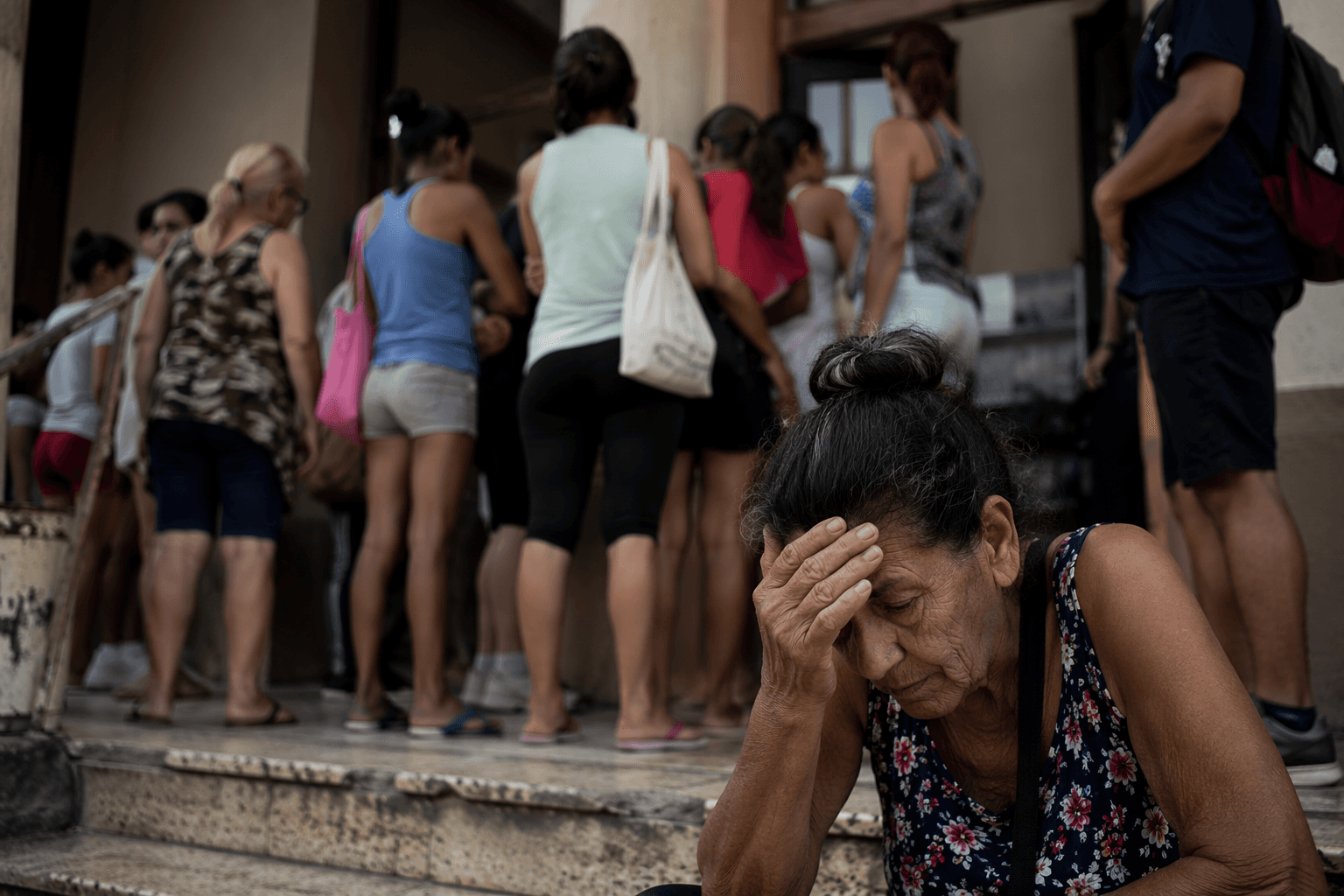
A new complaint has placed Cuba’s military-run business empire at the center of the island’s food emergency. The Food Monitor Program filed the case on May 27 with the United Nations special rapporteur on the right to food, accusing GAESA of worsening hunger and malnutrition through monopolistic control and financial opacity.
The filing describes GAESA, the conglomerate controlled by Cuba’s Revolutionary Armed Forces, as a state within a state. It says the group dominates some of the economy’s most profitable sectors while also controlling key channels for foreign currency, imports, logistics, food distribution and retail. In the complaint’s telling, that concentration of power is not just a symptom of Cuba’s crisis. It is one of the engines driving it.

The argument goes straight to the mechanics of scarcity. By controlling hard currency and the import system, GAESA is accused of pushing domestic production aside, favoring profitable imports over basic goods and capturing remittances sent by Cubans abroad through channels tied to MLC stores and other controlled networks. The complaint also says the military conglomerate has amassed nearly 18 billion dollars in liquid assets and commands a large share of the island’s economy.
That concentration matters because food on Cuban tables still depends on a broken chain of production, imports and distribution. The complaint says national agricultural output has fallen sharply over the past five years, leaving Cuba more dependent on foreign currency and centralized supply at exactly the moment those flows are under maximum strain. It also argues that the system steers resources toward hotels and controlled commercial operations instead of food production and local agriculture. Food Monitor Program, which says it tracks food insecurity and the use of food as a form of political control in Cuba, has reported severe pressure on household budgets, with staples such as rice, beans, meat, tomatoes and eggs climbing to punishing levels.
The filing lands as new international attention is already building around the right to food mandate. Sofía Monsalve Suárez took office as special rapporteur on May 1, after being appointed in March. The Office of the United Nations High Commissioner for Human Rights has said Cuba’s deepening socio-economic crisis, including oil scarcity, is increasingly affecting human rights, while Human Rights Watch says Cubans continue to endure a dire economic crisis that affects access to food and health.
For Havana, the complaint changes the frame. It casts scarcity not as an unavoidable shortage, but as a system of control, with GAESA at the center of who gets to import, distribute and profit while ordinary families keep facing empty shelves.
This article was produced by Prism’s automated news system from verified source data, official records, and press releases, then run through automated quality and moderation checks before publishing. The system is built and supervised by the people who set the standards it runs under. Read our full AI policy.
Did this article answer your question?