Cuba approves sweeping reforms, opens banking and foreign exchange markets
Cuba moved to let private banks and currency exchangers into its state economy as blackouts, fuel shortages and food scarcity deepened. The overhaul could reshape daily life, or just buy time.
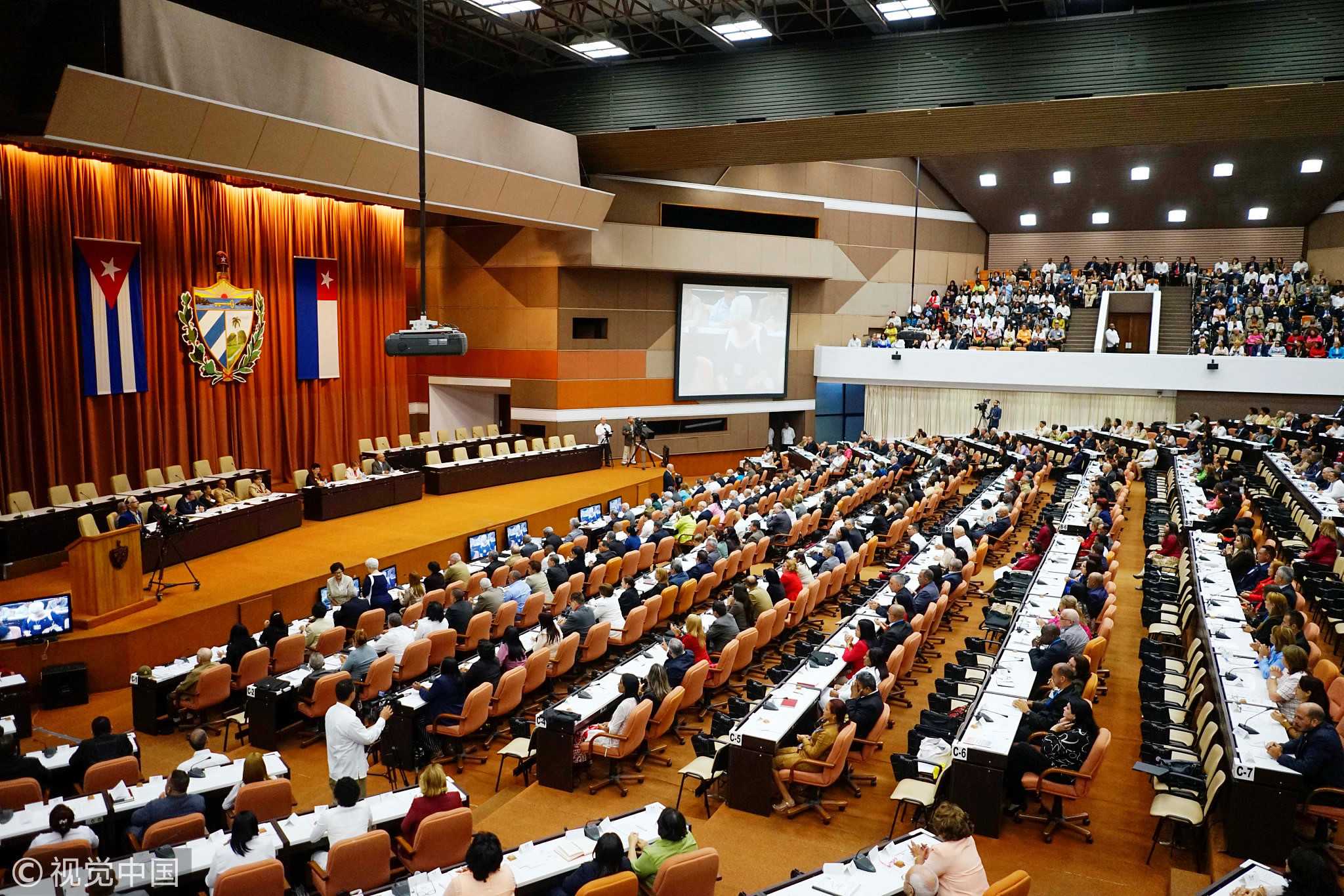
Cuba’s government approved its boldest economic overhaul in years, moving to open space for private banks, a real-time foreign exchange market and private currency exchange houses inside a system long dominated by the state. The package also pointed toward cutting general subsidies, a step that could hit household budgets even as shortages, blackouts and fuel scarcity have pushed the island into its deepest economic and social crisis in decades.
The Cuban National Assembly approved the reforms on June 18 in Havana at the Palace of Conventions, after they had been backed by the Communist Party of Cuba and former leader Raúl Castro. Prime Minister Manuel Marrero Cruz presented the package, and President Miguel Díaz-Canel said the changes were needed to improve living conditions while staying true to Cuba’s socialist roots. Reporting on the overhaul has described it as containing about 174 to 176 measures, with some accounts putting the total near 200, making it the largest shift in government policy in 15 years and, if fully carried out, the biggest change to Cuba’s socialist model since Fidel Castro’s 1959 revolution.

The reforms reach well beyond banking. They would allow private banks to enter the financial sector under Central Bank supervision, create a digital foreign exchange market that updates in real time, and permit private currency exchange houses and private remittance operators. Officials also said state companies would be able to take part in foreign exchange markets, Cubans living abroad could invest in Cuba, and private real estate development would be opened further. Some state-owned businesses could also be transformed into private commercial ventures with shares and equity stakes.
The package also includes a gradual elimination of general subsidies and recognition of market-driven price formation, along with expanded foreign investment and changes touching energy, agriculture and municipal autonomy. On paper, it is a sweeping attempt to loosen parts of a rigid system. On the ground, it is still unclear how fast the measures will be implemented, what rules will govern them, or whether they will do more than rearrange the machinery of scarcity.

That uncertainty matters because the crisis that pushed Havana to act remains severe. In April, United Nations officials said fuel shortages had worsened after Washington moved to block oil supplies at the end of January, and that humanitarian needs in Cuba remained acute. Daily life has been strained by prolonged power outages, food shortages and a sharp decline in tourism, leaving the government to sell reform as both rescue and necessity. The real test now is not the size of the package, but whether any of these changes can move ordinary Cubans from waiting in lines and sitting in the dark to seeing something real on the shelf and in their pockets.
This article was produced by Prism’s automated news system from verified source data, official records, and press releases, then run through automated quality and moderation checks before publishing. The system is built and supervised by the people who set the standards it runs under. Read our full AI policy.
Did this article answer your question?