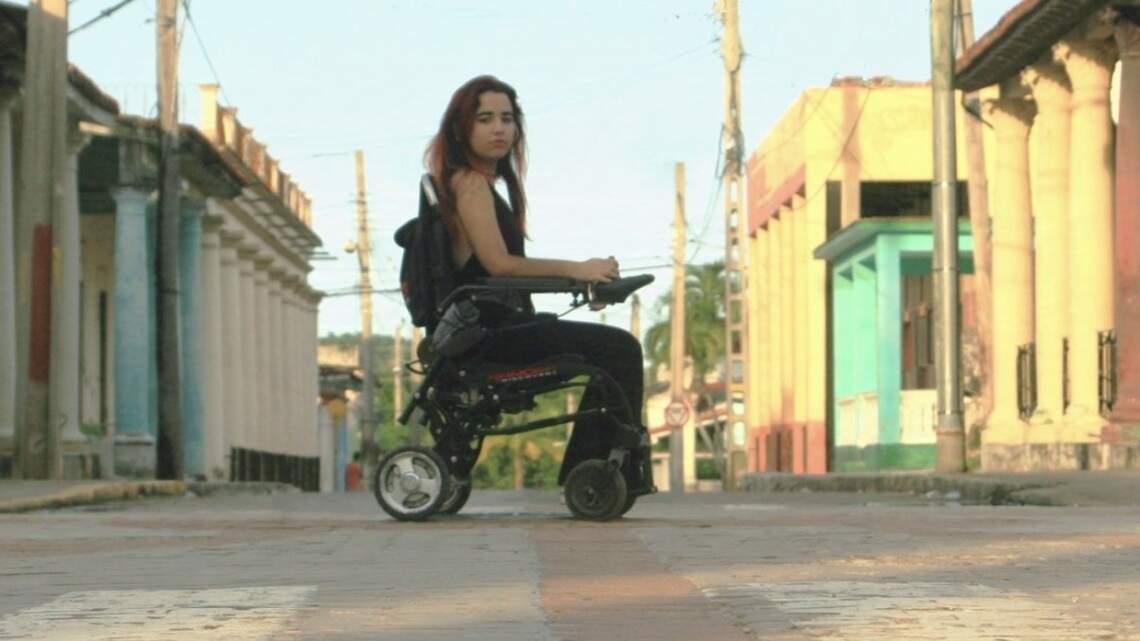
Cuba arms civilian volunteers as tensions with U.S. rise
Cuba has begun arming civilian volunteers as U.S. pressure escalates, a sign Havana is treating the crisis as both a defense threat and a loyalty test.
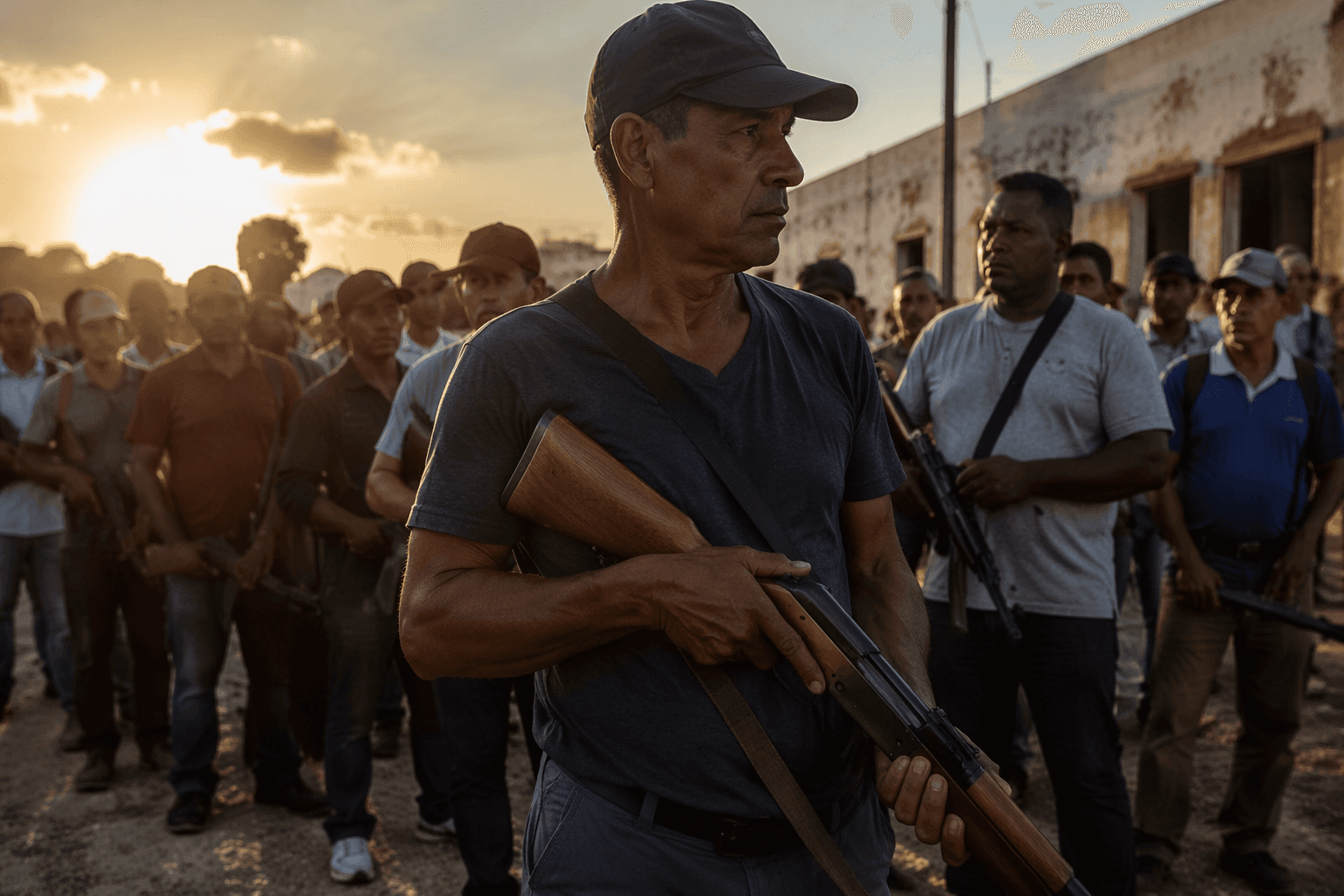
Cuba has begun distributing weapons to civilian volunteers and urging citizens to prepare for a possible foreign invasion, a sharp signal that Havana is reading the pressure from Washington as more than routine diplomacy. The move comes as U.S.-Cuba tensions have intensified through spring 2026, while fuel shortages, blackouts, and economic strain continue to weigh on daily life across the island.
The escalation followed a new round of U.S. sanctions in May and June that targeted Cuban regime elites, military-linked entities, and CUPET, the state-owned oil and gas company. The State Department said the June measures were aimed at Cuban actors it described as responsible for repression and threats to U.S. national security, under Executive Order 14404. Cuban officials have rejected that framing, calling the sanctions coercive and accusing Washington of pushing “energy starvation.”
Those sanctions have drawn criticism from beyond Havana as well. The Office of the High Commissioner for Human Rights said expanded U.S. sanctions were causing widespread harm and endangering lives, while United Nations human-rights experts said the threats, coercive measures, and fuel restrictions were damaging civilians and Cuba’s essential services. The pressure campaign has landed at a moment when the island’s shortages and blackouts have made any talk of conflict resonate far beyond military circles.
The weapons distribution fits neatly inside Cuba’s long-standing “War of All People” defense doctrine, a model built around civilian participation, local militias, reserve forces, and decentralized resistance. That doctrine was designed for exactly this kind of scenario: a heavily outmatched country trying to make invasion prohibitively costly by turning the entire society into part of the defense structure. Reports also said civil-defense manuals and emergency guides were being circulated to families, while institutions in Havana discussed contingency plans and the disruption a conflict could bring to ordinary life.
Miguel Díaz-Canel warned in May that any U.S. military action could lead to a “bloodbath.” Foreign Minister Bruno Rodríguez Parrilla said Cuba had never been a threat to U.S. security and accused Washington of using fabricated claims to justify aggression. Read that way, the civilian arming campaign is not just about invasion prep. It is Havana’s way of saying it expects pressure to deepen, wants the public visibly behind the state, and is preparing to turn fear into discipline before the crisis goes any further.
This article was produced by Prism’s automated news system from verified source data, official records, and press releases, then run through automated quality and moderation checks before publishing. The system is built and supervised by the people who set the standards it runs under. Read our full AI policy.
Did this article answer your question?