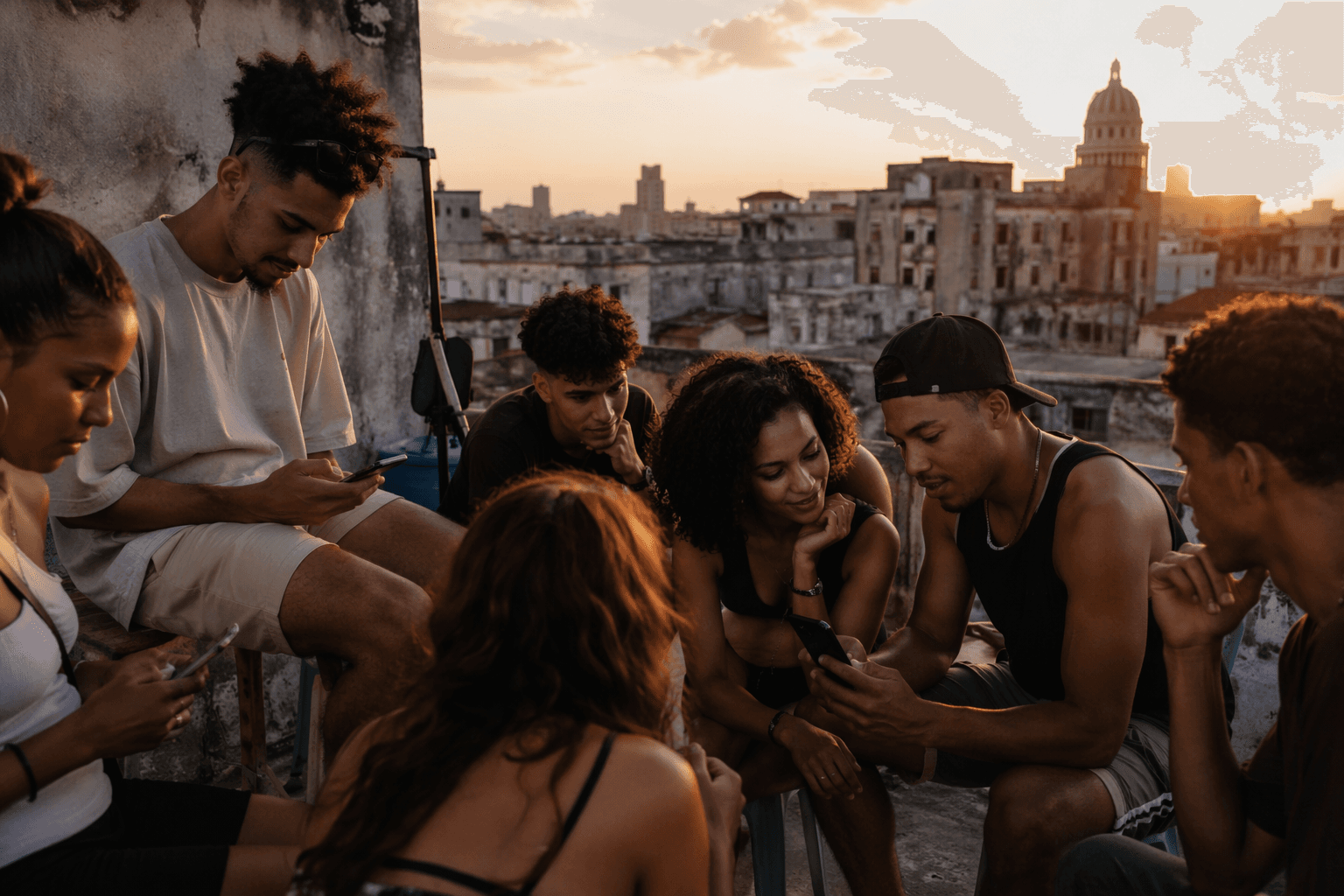
Cuba blasts dangerous U.S. military threats amid worsening fuel crisis
Cuba's leaders said U.S. military talk crossed a red line as blackouts returned and fuel tightened. For travelers, the bigger threat is disruption, not invasion.

Cuba’s top officials answered Washington’s latest threats with a blunt warning: the rhetoric itself is dangerous, and it lands on top of a fuel crisis already darkening homes, straining services and shaking confidence in the island’s stability. Foreign Minister Bruno Rodríguez called the U.S. language hypocritical and cynical, pointing to the long-running pressure on Cuba’s oil supply as the country slid deeper into emergency conditions.
The confrontation sharpened after comments and social-media posts from U.S. officials, including Secretary of State Marco Rubio, who said the status quo in Cuba was unacceptable and hinted that Washington would act. President Miguel Díaz-Canel described the situation as a dangerous escalation without precedent and said Cuba would not surrender. Cuban officials also bristled at images circulated by U.S. figures showing senior American leaders near a map of Cuba, a gesture that made the current pressure campaign feel unusually direct.
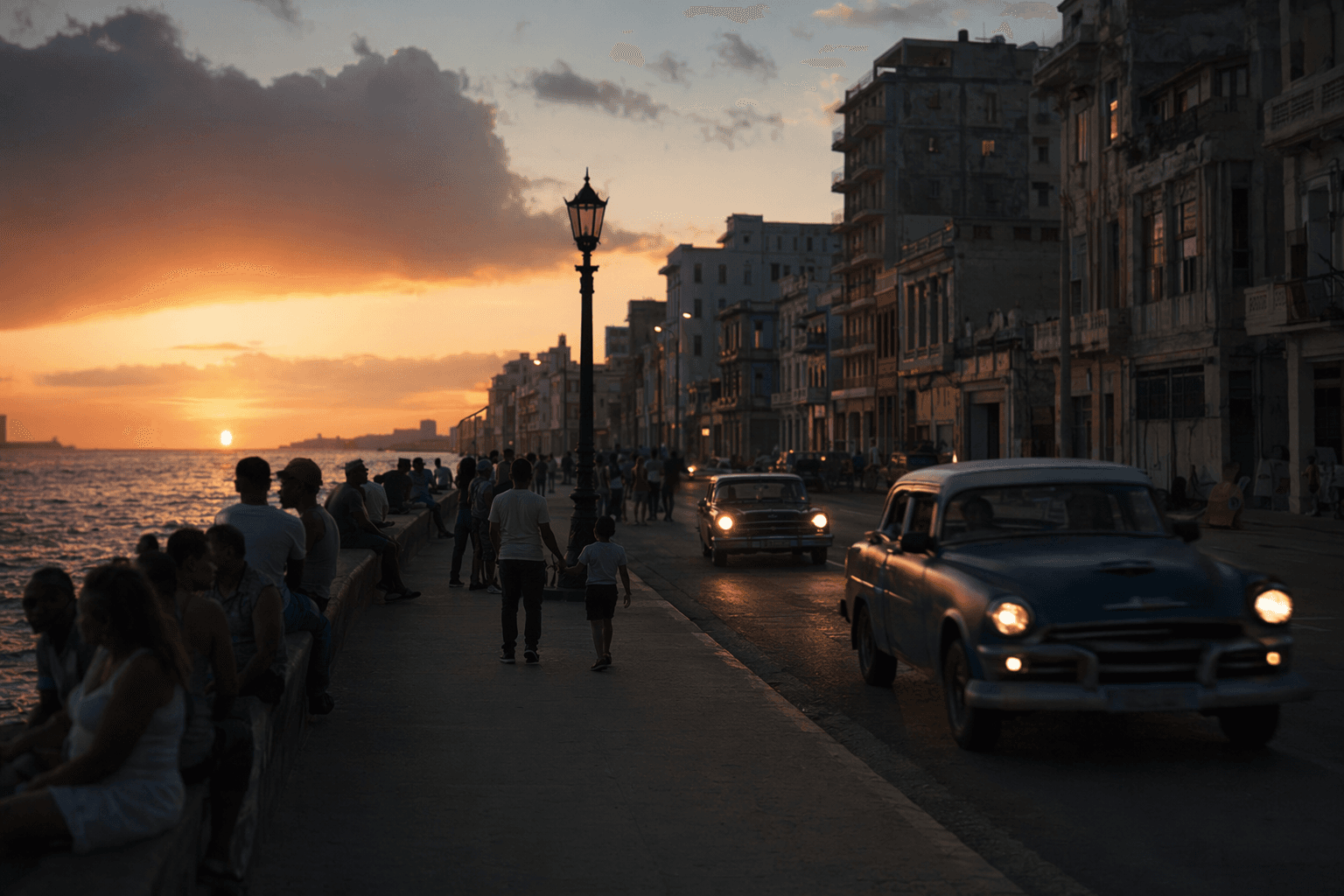
Behind the language is a concrete squeeze. On January 29, President Donald Trump signed Executive Order 14404, which took effect the next day and created a process for additional tariffs on imports from countries that directly or indirectly provide oil to Cuba. The White House later said the order broadened sanctions and set up a new tariff system aimed at punishing third countries that sell or supply oil to the island. In early May, the administration also announced sanctions targeting GAESA, Cuba’s military-linked conglomerate, and other officials.
The United Nations system has treated the move as more than a bilateral dispute. In February, UN human rights experts said the executive order amounted to a fuel blockade and energy starvation, warning that shortages were putting healthcare, water services and food distribution at risk and could push the country toward humanitarian collapse if supplies kept falling. By then, Havana was already back in routine hours-long blackouts, with Reuters reporting daily outages averaging four hours or more in the capital and noting that Cuba’s oil imports had dropped sharply in 2025 as shipments from Mexico and Venezuela fell.
For travelers, this is the part that matters most. The danger is not just theoretical military escalation, but the way sanctions, blackouts and official threats can quickly change the mood around flights, hotel bookings, consular operations and tourism demand. Cuba has lived through decades of U.S. pressure, but this round is different because it combines direct military signaling with an economy that is already brittle and an energy grid that cannot absorb another shock. The lesson for anyone eyeing the island is simple: watch policy closely, because the larger risk is disruption, not a battlefield.
This article was produced by Prism’s automated news system from verified source data, official records, and press releases, then run through automated quality and moderation checks before publishing. The system is built and supervised by the people who set the standards it runs under. Read our full AI policy.
Did this article answer your question?