Cuba calls U.S. energy squeeze an act of war at the UN
Cuba took its energy crisis to the UN, where Bruno Rodríguez Parrilla said U.S. pressure on oil supplies amounted to an “act of war.”

Cuba pushed its power crisis onto the world stage in New York, where Foreign Minister Bruno Rodríguez Parrilla told a UN Security Council open debate that U.S. policy toward the island amounted to an “act of war.” His message linked diplomacy to daily survival: if oil cannot get in, Cuba cannot keep the lights on, move fuel, or steady the basic services already buckling under blackouts.
Rodríguez used the May 26 session to argue that Washington was not only tightening pressure on Havana, but was undermining international peace and security by constraining the island’s access to oil and energy supplies. In a statement issued through Cuba’s foreign ministry, he said the United States was violating international law and international humanitarian law with respect to Cuba and urged the UN system to respond. The language sharpened a fight Havana has been waging for months, recasting the energy crunch as an external assault rather than a domestic management failure.

The escalation came after repeated UN warnings that Cuba’s humanitarian situation was deteriorating fast. On February 26, UN News said fuel shortages had deepened nearly a month after Washington took measures at the end of January to block oil supplies from entering Cuba. By April 6, the UN was calling for urgent international support as the crisis worsened despite limited fuel deliveries, including a Russian shipment allowed to dock.
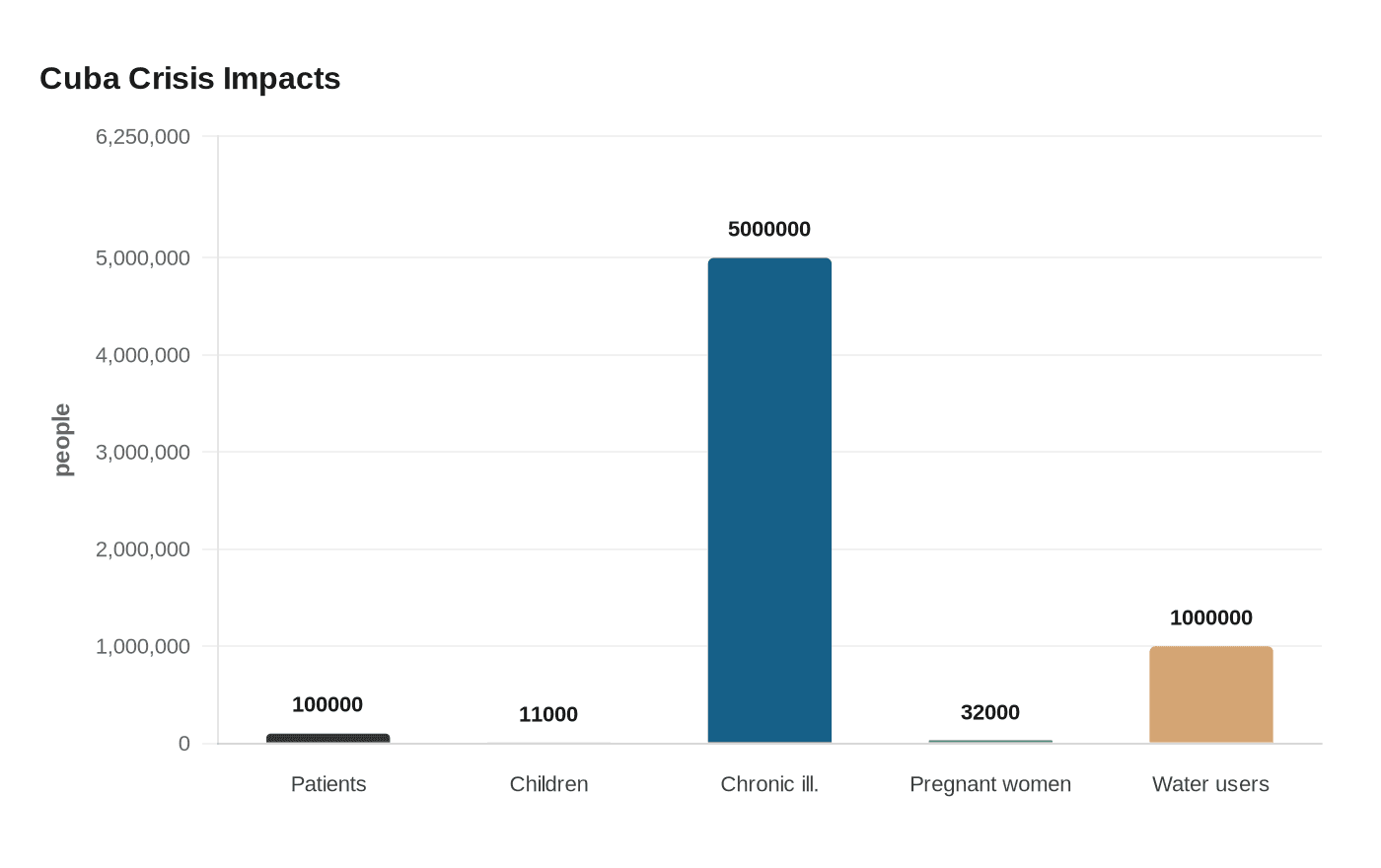
By May 1 and May 15, UN officials said the damage had spread well beyond the power grid. Hospitals across Cuba were suspending surgeries because of blackouts and fuel shortages. More than 100,000 patients, including 11,000 children, were waiting for delayed procedures. Around five million people living with chronic illnesses were at risk of interruptions to treatment, and more than 32,000 pregnant women faced increased risks. Blackouts were lasting up to 20 hours in some areas, while Reuters reported cuts of up to 22 hours in parts of Havana.
Cuban Energy Minister Vicente de la O Levy said on May 13 that Cuba had no fuel oil or diesel reserves. That same evening, Reuters reported protests in Havana as residents endured the outages. UN reporting has said Cuba relies on oil for more than 90 percent of its energy needs, roughly 84 percent of pumping equipment depends on electricity, and nearly one million people receive drinking water from tanker trucks.
Francisco Pichón, the UN resident coordinator, has said fuel access is decisive for whether humanitarian operations can function at all. That is why Havana’s rhetoric at the UN sounded less like a speech than a warning: the battle over energy is now the battle over whether Cuba’s hospitals, water systems, transport network, and daily life can keep going at all.
This article was produced by Prism’s automated news system from verified source data, official records, and press releases, then run through automated quality and moderation checks before publishing. The system is built and supervised by the people who set the standards it runs under. Read our full AI policy.
Did this article answer your question?