Cuba detains pastor during Havana worship service, stoking fear among churches
State Security pulled Pastor Jatniel Pérez out of a Havana worship service on June 15, turning a Sunday gathering into a warning shot for churches. He was back by 11:56 a.m. after agents seized his phone.
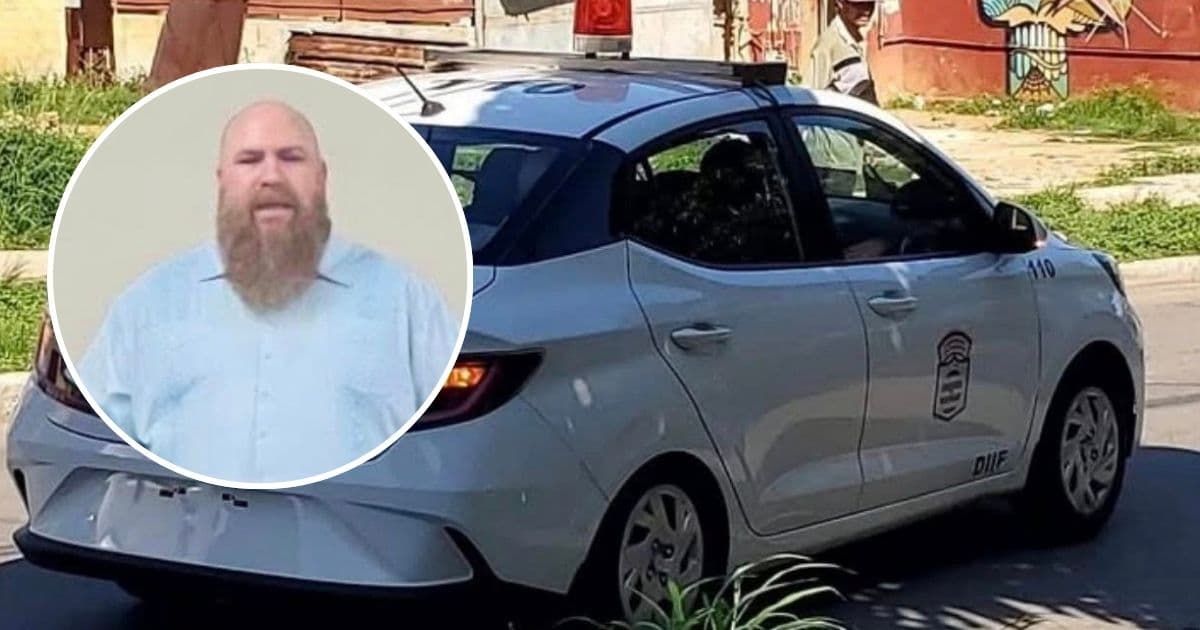
State Security agents crossed into worship space in Havana on Sunday and detained Pastor Jatniel Pérez in the middle of a service at the Temple on Avenida 26, a move that landed as more than a routine check. According to an urgent prayer request circulated by pastors Michel and Yamilet, officers arrived in patrol car 110, told Pérez they wanted an immigration interview that would take about 20 minutes, and asked him to bring his passport and mobile phone. The phone was temporarily confiscated.
Pérez was back at the temple at 11:56 a.m. Cuba time, but the damage was already done. The detention, carried out in front of worshippers, quickly spread on social media and sharpened anxiety inside church circles because it placed state security inside a sanctuary, not just at the edges of political life. Recent reporting identifies Pérez as the national president of the William Carey Bible Seminary and the lead pastor of Centro Bíblico Crecer, a Reformed Baptist church in Havana.

The episode also fit a pattern that churches in Cuba know well. One account described the detention as part of a repeated practice of summoning or interrupting pastors on Sundays, and another said Pérez had already been summoned twice in November 2021 in a separate case of State Security pressure. For congregations that already navigate shortages, blackouts and protests, the message was plain: even a Sunday service can become a site of state intervention.
Rights advocates say that pressure has not eased. The US Commission on International Religious Freedom said in its May 2026 country update that religious leaders and adherents faced harassment, forced expulsion, arbitrary fines and official threats through 2026, while its 2026 annual report said Cuba maintained a repressive legal framework and that religious communities were continually harassed and threatened. USCIRF again recommended Cuba as a Country of Particular Concern for severe religious freedom violations.
Human Rights Watch added that at least 203 people were arbitrarily detained in police and state surveillance operations between January and June 2025, underscoring the wider climate in which Pérez’s detention took place. What happened inside that Havana worship service was not just a brief stop-and-check. It was another sign that, in Cuba, the boundary between public control and private faith is being pushed harder than ever.
This article was produced by Prism’s automated news system from verified source data, official records, and press releases, then run through automated quality and moderation checks before publishing. The system is built and supervised by the people who set the standards it runs under. Read our full AI policy.
Did this article answer your question?