Cuba enters hurricane season amid hunger, blackouts and shortages
Cuba entered hurricane season with hunger, blackouts and medicine shortages, raising the stakes for any major storm. One bad landfall could cripple water, hospitals and evacuations at once.
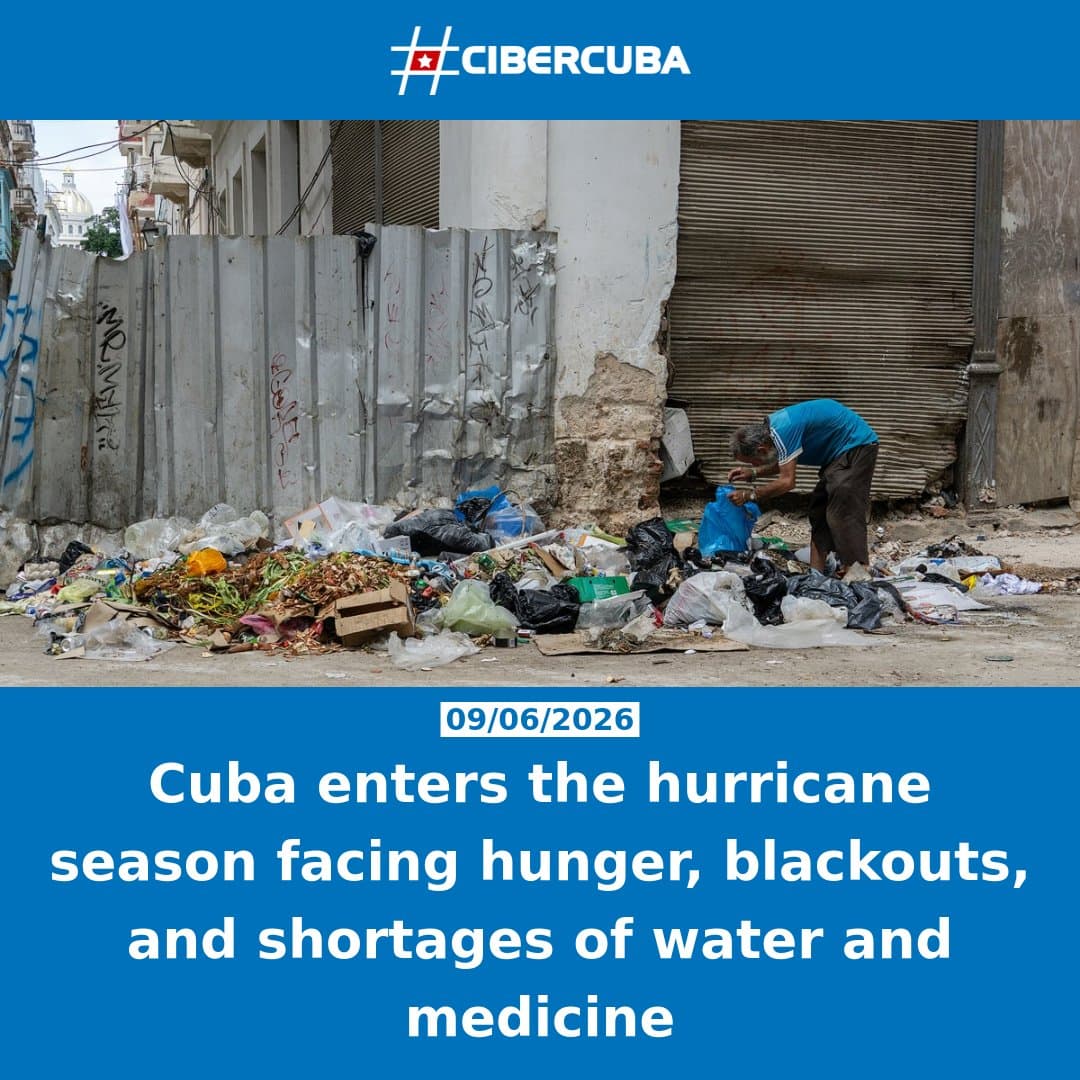
Cuba is entering hurricane season with the kind of stress that turns a storm into a national emergency. Hunger, prolonged blackouts and shortages of water and medicine have already weakened daily life across the island, and any major landfall would hit an infrastructure system already under strain.
The pressure is showing in the numbers. The Food Monitor Program said 33.9% of Cuban households reported that at least one family member went to bed without eating at least once in the past year, a worsening sign in a country where the economy has been shrinking and basic supplies remain scarce. The World Food Programme says Cuba has suffered a 15% contraction in GDP over the last six years, underscoring how little cushion remains if another storm disrupts food delivery, transport and power.

The United Nations has warned for months that the energy collapse is not just an inconvenience, but a life-threatening crisis. In February, UN officials warned of a possible humanitarian collapse as oil supplies dwindled. On June 8, the United Nations Human Rights Office said expanded U.S. sanctions and fuel restrictions imposed since early 2026 were harming Cubans and endangering lives. Volker Türk and other UN officials have pointed to hospitals that have been forced to suspend surgeries, struggle to keep lifesaving equipment running and cope with severe medicine shortages as blackouts and fuel shortages deepen.
Water access has become part of the same crisis. Reuters reported on June 3 that one Havana resident said she rarely had running water or electricity and that food in her refrigerator spoiled amid the shortages. In May, Cuba’s government said fuel reserves had run out, and protests erupted in neighborhoods around Havana as blackouts worsened. Francisco Pichón has warned that shrinking energy reserves are putting health care, water services and food distribution at acute risk nationwide.
The danger is sharper because Cuba has already absorbed one major shock. Hurricane Melissa hit in October 2025 and affected more than 2.2 million people, leaving lasting damage to housing and utilities. That destruction matters now: a strong storm this year would not be starting from zero, but slamming into an island where the grid is fragile, hospitals are struggling, water is unreliable and evacuation capacity is already stretched thin.
This article was produced by Prism’s automated news system from verified source data, official records, and press releases, then run through automated quality and moderation checks before publishing. The system is built and supervised by the people who set the standards it runs under. Read our full AI policy.
Did this article answer your question?