Cuba envoy warns U.S. sanctions are building case for intervention
Cuba’s envoy in Washington says new U.S. sanctions are being used as a “pretext” for military intervention, while the measures mostly widen financial and political pressure.

Cuba’s top diplomat in Washington says the latest U.S. sanctions are doing more than punishing officials in Havana. Ambassador Lianys Torres Rivera argued that the crackdown on Cuban leaders, along with the indictment of former President Raúl Castro, is being turned into a case for military intervention, a message she said was meant to persuade Americans that escalation is justified.
The warning lands at a tense moment for Cuba, but the sanctions announced so far point first to pressure, not force. The White House issued Executive Order 14404 on May 1, 2026, setting up a new sanctions framework, and the State Department followed by sanctioning 11 Cuban regime-aligned actors and three entities on May 18. On June 4, Treasury’s Office of Foreign Assets Control added President Miguel Díaz-Canel, the Cuban intelligence agency, and other Cuban individuals and entities to its sanctions list.
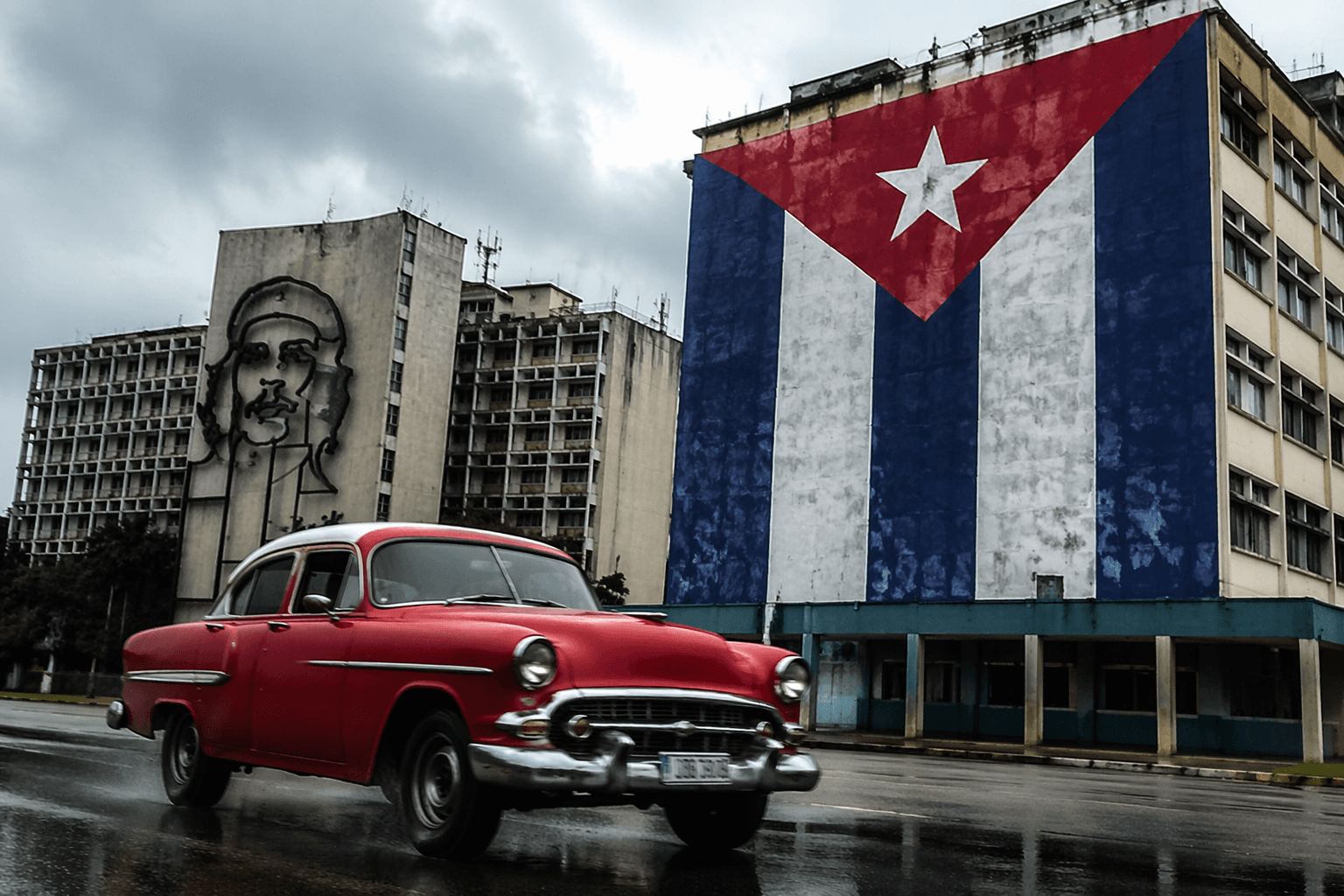
What makes the new package more significant is its reach beyond Cuba’s own officials. Treasury said on May 7 that the order broadened sanctions risk to non-Cuban foreign persons and foreign financial institutions that facilitate significant transactions involving blocked people. That turns the policy into a wider compliance threat for banks, businesses, and intermediaries that still touch Cuban targets, even outside the island.
Havana has folded those moves into a larger argument that Washington is worsening the crisis that Cubans are already living through. In May, Reuters reported that Cuba had run out of diesel and fuel oil, with protests breaking out in Havana amid rolling blackouts described as the worst in decades. Cuban officials have tied that strain to Washington’s economic squeeze, while UN human rights chief Volker Türk said on June 8 that the expanded sanctions were causing widespread harm and endangering lives. The White House defended the measures on June 10, saying they target leaders and entities that sustain the regime.
For Cuba’s government, the political value of Torres Rivera’s warning is obvious: it casts sanctions as a step toward conflict, not just coercion. For everyone watching the island’s next move, the harder question is narrower and more immediate. These measures are clearly escalating economic and diplomatic pressure, but the public record so far shows a sanctions campaign, not a formal move toward war.
This article was produced by Prism’s automated news system from verified source data, official records, and press releases, then run through automated quality and moderation checks before publishing. The system is built and supervised by the people who set the standards it runs under. Read our full AI policy.
Did this article answer your question?