Cuba resumes production of 16 cancer drugs after major investment
Cuba restarted 16 cytostatic cancer drugs and moved HEBERSaVax into Phase II, aiming to blunt oncology shortages after a major plant investment.
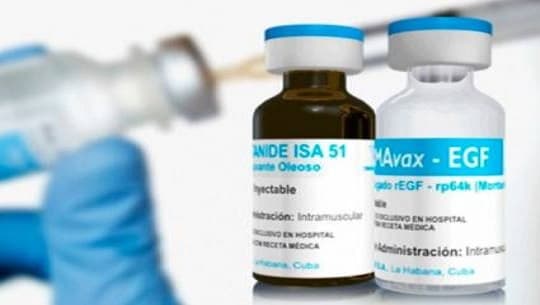
Cuba put 16 cytostatic cancer drugs back into production after a major investment at Laboratorios AICA, a move officials cast as a step toward steadier oncology care. The restart also brought back production lines, research and development, and distribution logistics, with deliveries to the public health system set to resume under schedules agreed with the Ministry of Public Health of Cuba.
The plant’s relaunch was tied to an investment process meant to strengthen regulatory standards at the facility and its equipment and to align operations with international regulations. Officials said the revived output would give priority to medicines with the highest clinical criticality, a practical nod to the pressure on cancer care in a country where the national basic drug list leans heavily on domestic supply.
The timing matters because access gaps are not abstract here. The World Health Organization says essential medicines should be available, affordable and of assured quality at all times, yet shortages and stock-outs remain a major global access problem. Cuba’s population is 11,019,931, and the International Agency for Research on Cancer’s GLOBOCAN 2022 estimates list prostate, breast, lung and colorectal cancers among the most frequent sites on the island.
Alongside the factory restart, Cuba is pushing ahead with HEBERSaVax, a therapeutic vaccine candidate for tumors that was discussed at a presidential meeting on May 26, 2026, at the Palacio de la Revolución in Boyeros, Havana. President Miguel Díaz-Canel Bermúdez chaired the session and congratulated scientific leader Yanelys Morera Díaz, while the project team said the candidate had already moved through animal studies and into Phase II clinical trials.

BioCubaFarma has presented HEBERSaVax as an active immunotherapy with multiple functions, including generating specific IgG antibodies against VEGF and helping cut blood supply to tumors while driving an immune response against malignant growth. State media and BioCubaFarma have also said it showed positive results in colorectal, hepatocellular, ovarian and renal cancers, with tolerable side effects and potential use alongside conventional therapy.
CIMAB S.A., another pillar of the island’s cancer biotechnology sector, says it now holds more than 80 health registrations and exports in nearly 30 countries. For patients waiting on both established drugs and newer immunotherapies, the real test is not the announcement itself but whether the reopened lines keep cancer medicines moving through the system and onto shelves.
This article was produced by Prism’s automated news system from verified source data, official records, and press releases, then run through automated quality and moderation checks before publishing. The system is built and supervised by the people who set the standards it runs under. Read our full AI policy.
Did this article answer your question?