Cuba unveils reforms to attract investment and loosen state control
Díaz-Canel rolled out reforms to court investment and Cuba abroad as a fuel crisis and aid ship from Colombia underscored the island’s strain.
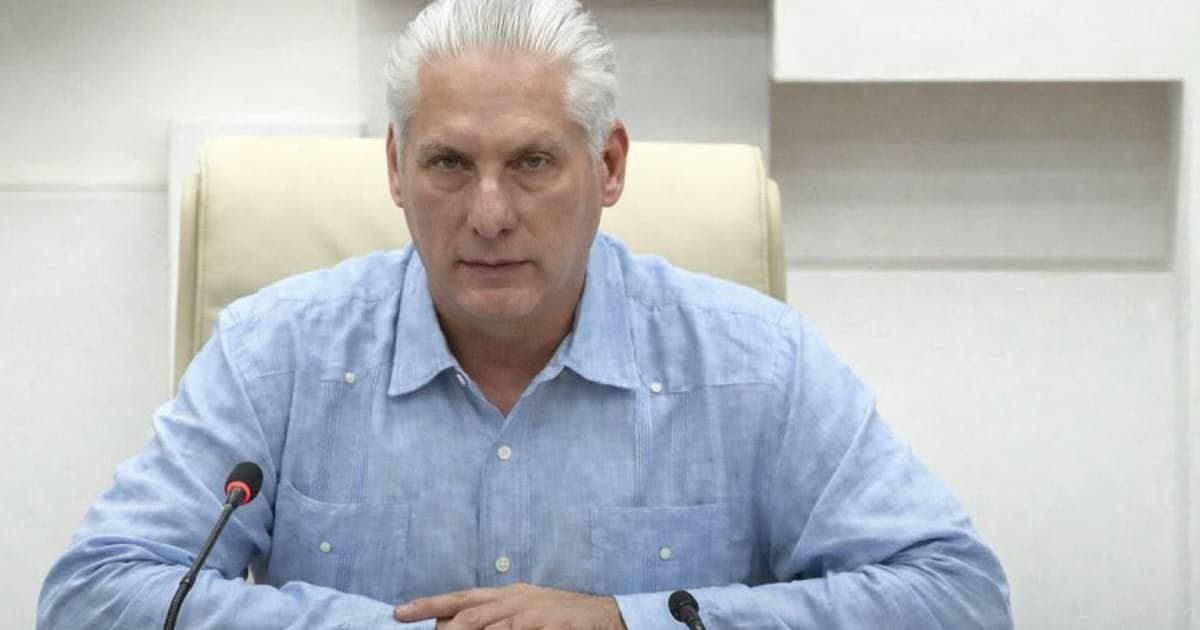
Miguel Díaz-Canel rolled out a new package of economic reforms aimed at pulling in investment, widening the role of Cubans living abroad and loosening parts of the state’s grip on the economy. But he offered no full timetable for implementation, a telling omission for a government that is plainly signaling it can no longer keep operating as before.
The measures, aired on the state television program Revista Buenos Días, point to changes in foreign trade, exports, logistics and supply chains. Officials are weighing whether to remove mandatory state intermediaries from some import and export operations, while also considering tariff benefits for people or businesses that bring raw materials into Cuba for production. Separate reporting said the plan could give municipalities authority over their own foreign-currency revenues and open the door to projects involving Cubans abroad, including foreign trade operations without state intermediation.

The package also appears tied to a broader restructuring of the state itself. MercoPress said the reforms are being discussed under the Economic and Social Program for 2026 and could reduce the ministry count from 27 to 20, a move meant to cut spending and help finance a future salary reform. CiberCuba said the changes would grant greater autonomy to state-owned enterprises, municipalities and agricultural producers, reflecting how much pressure the system is under to move faster and with less central control.
The timing made the announcement harder to miss. A ship carrying nearly 100 tons of food and essential goods arrived from Colombia the same day, part of the humanitarian aid that has been flowing into Cuba as the island struggles with shortages. The broader backdrop is the energy squeeze: the United Nations Office of the High Commissioner for Human Rights said in May that the January 2026 U.S. executive order imposing a fuel blockade amounted to “energy starvation,” and United Nations News reported in April that fuel shortages had deepened after Washington’s measures at the end of January. ReliefWeb and ACAPS said by mid-April that Cuba had suffered a rapid deterioration in fuel availability, with food and medicine shortages worsening since early January.
For investors and Cubans abroad, the reforms suggest a real opening, but one shaped by desperation rather than confidence. Less state intermediation and more room for foreign-currency operations could ease some bottlenecks, yet the legal rules, political limits and hard currency problems that have long discouraged participation are still very much in place. Díaz-Canel’s message was clear: Cuba needs a more flexible economy now, even if the system around it remains tightly controlled.
This article was produced by Prism’s automated news system from verified source data, official records, and press releases, then run through automated quality and moderation checks before publishing. The system is built and supervised by the people who set the standards it runs under. Read our full AI policy.
Did this article answer your question?