Cuba warns of rising U.S. military threat as talks stall
Josefina Vidal told lawmakers the risk of U.S. military aggression was rising as talks stalled, after sanctions, shortages and fresh charges sharpened Havana’s alarm.

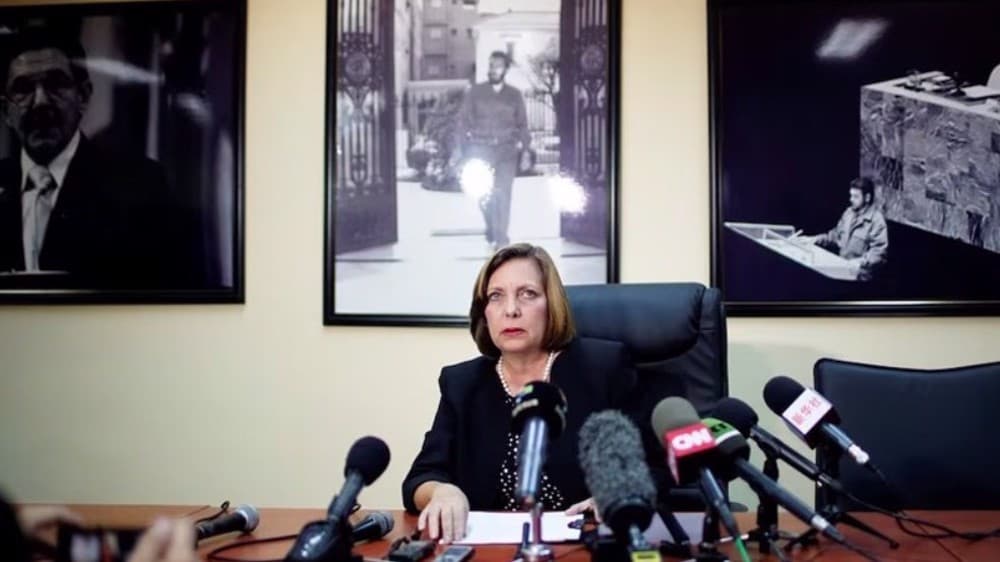
Cuba’s deputy foreign minister, Josefina Vidal, told lawmakers in Havana that the risk of U.S. military aggression against the island was rising as talks with Washington stalled. She delivered the warning during a legislative hearing meant to denounce U.S. sanctions on Cuban oil imports, putting military danger, not just economic pain, at the center of Havana’s public message.
Vidal said the channel of communication between the two governments remained open, but she described the progress as minimal and said she had little reason to trust Washington’s seriousness or responsibility. Her accusation was blunt: the United States was inventing pretexts to cast Cuba as a national security threat, she said, and building the ground for coercive action instead of meaningful dialogue. Cuban officials have gone even further in recent days, accusing Washington of building a “fraudulent case” for military action.
The warning landed after a swift escalation. On May 1, President Donald Trump issued Executive Order 14404, authorizing new sanctions on people and entities tied to Cuba’s security apparatus and allowing secondary sanctions on financial institutions that facilitate transactions for sanctioned parties. On May 18, the U.S. government announced sanctions on 11 Cuban officials and three government organizations, including Cuba’s intelligence directorate, as part of a broader pressure campaign. The move came alongside efforts to block most oil shipments from Venezuela to Cuba, tightening the economic screws just as Havana was already running short.

That shortage has become severe. Cuba had run out of diesel and fuel oil by mid-May, and blackouts in Havana were lasting up to 22 hours a day. The strain has spread beyond electricity: nearly 3 million Cubans were experiencing daily water shortages because of the oil shortage, a sign that the crisis has reached basic services across the island.
The political temperature rose further with the U.S. Justice Department’s superseding indictment against Raúl Castro and others over the 1996 Brothers to the Rescue shootdown. The charges include conspiracy to kill U.S. nationals, destruction of aircraft and four counts of murder. The case centers on the shooting down of two civilian planes over international waters, killing four U.S. nationals, one of the most explosive episodes in the post-Cold War confrontation between Havana and Washington.
That confrontation is unfolding inside a sanctions structure that dates back to February 1962, when the U.S. embargo on Cuba was set in place and remains there today. In Havana, the latest warning is not being framed as a routine diplomatic flare-up. It is being cast as a national security threat, with the talks stalled, the pressure rising and the room for any repair shrinking by the day.
This article was produced by Prism’s automated news system from verified source data, official records, and press releases, then run through automated quality and moderation checks before publishing. The system is built and supervised by the people who set the standards it runs under. Read our full AI policy.
Did this article answer your question?