Cuban customs seizes 86 cannabis products at Havana airport
Havana airport customs seized 86 cannabis products from the United States, deepening Cuba’s crackdown on vape-carrying arrivals and the luggage routes now under closer scrutiny.
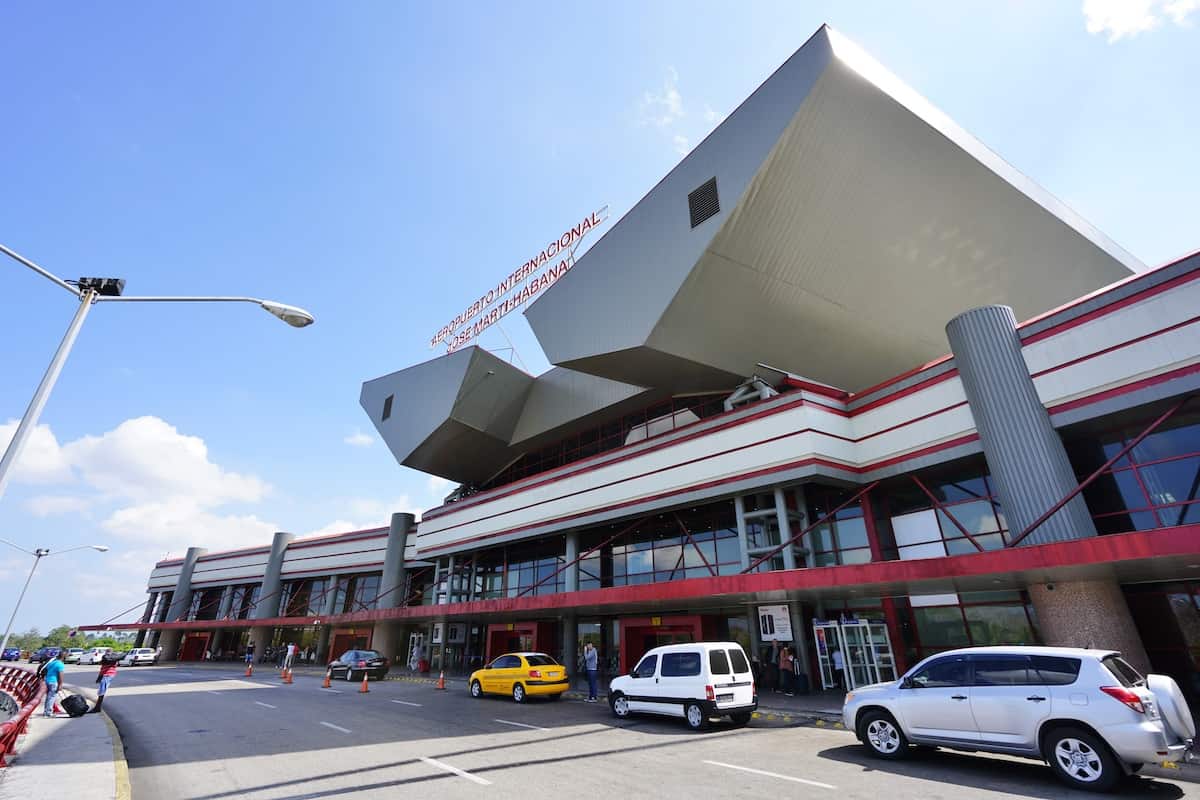
A suitcase of vape pens and cigars turned into another border warning at Havana’s José Martí International Airport, where Cuban customs said it intercepted 86 cannabis-related products arriving from the United States. The seizure landed on Friday, June 20, and it sharpened the sense that baggage from the U.S. corridor is carrying more risk than ever.
The haul included 68 electronic cigarettes filled with marijuana extract and 18 marijuana cigars, according to the details released by Wiliam Pérez González, the deputy chief of Cuba’s General Customs office. Photos posted with the announcement showed branded vaping devices such as RAZ Switch, Dabwoods and glo, along with a grinder containing plant material and a vial with reddish liquid that authorities suspected was concentrated extract. A detection dog appeared in the images beside the luggage, underscoring how directly customs is treating these arrivals.
The case sits inside a much stricter legal frame than many travelers from the United States may expect. Cuba’s customs website publishes Res23-2020 MINSAP, a rule that bans the import, possession, transportation and export of products or substances that produce effects similar to drugs. That means items sold legally in some U.S. states can become criminally risky the moment they land in Havana, especially for passengers carrying vapes, gummies or other products that can hide concentrated narcotics.

Customs presented the seizure as part of Safe Border, the joint anti-drug program run with the Interior Ministry. Officials say the campaign led to 94 arrests and the seizure of more than 90 kilograms of drugs at airports in 2024 alone, a sign that airport screening has become one of the island’s most active enforcement fronts. The pattern also shows why vapes are drawing such close attention: customs has already tied them to cases involving gummies, vape pens, tuna cans, baseball bats, bags of rice and even drugs hidden inside a passenger’s body.
That broader crackdown matters because Cuba now treats airport interdiction as a border-security test, not a routine customs task. UNODC says airports are often transit points for drug trafficking and says AIRCOP was built to strengthen detection and interdiction at international airports. With Cuba’s customs service saying its mission is to keep the country safe from the border, the message from Havana is plain: arriving passengers, especially those coming from the United States with suspicious electronics or sealed packages, are the ones most exposed to scrutiny.
This article was produced by Prism’s automated news system from verified source data, official records, and press releases, then run through automated quality and moderation checks before publishing. The system is built and supervised by the people who set the standards it runs under. Read our full AI policy.
Did this article answer your question?