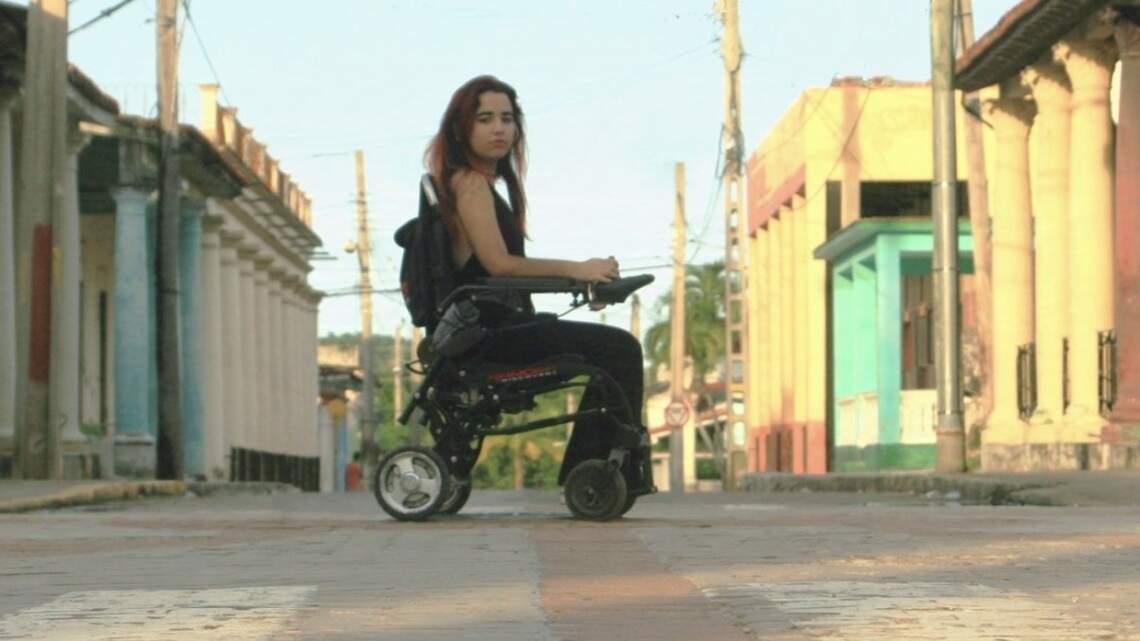
Cuban family story reveals the painful pull of emigration and return
A father comes home from Spain just as his son heads away, exposing how Cuban families keep trading hope, duty, and belonging across borders.
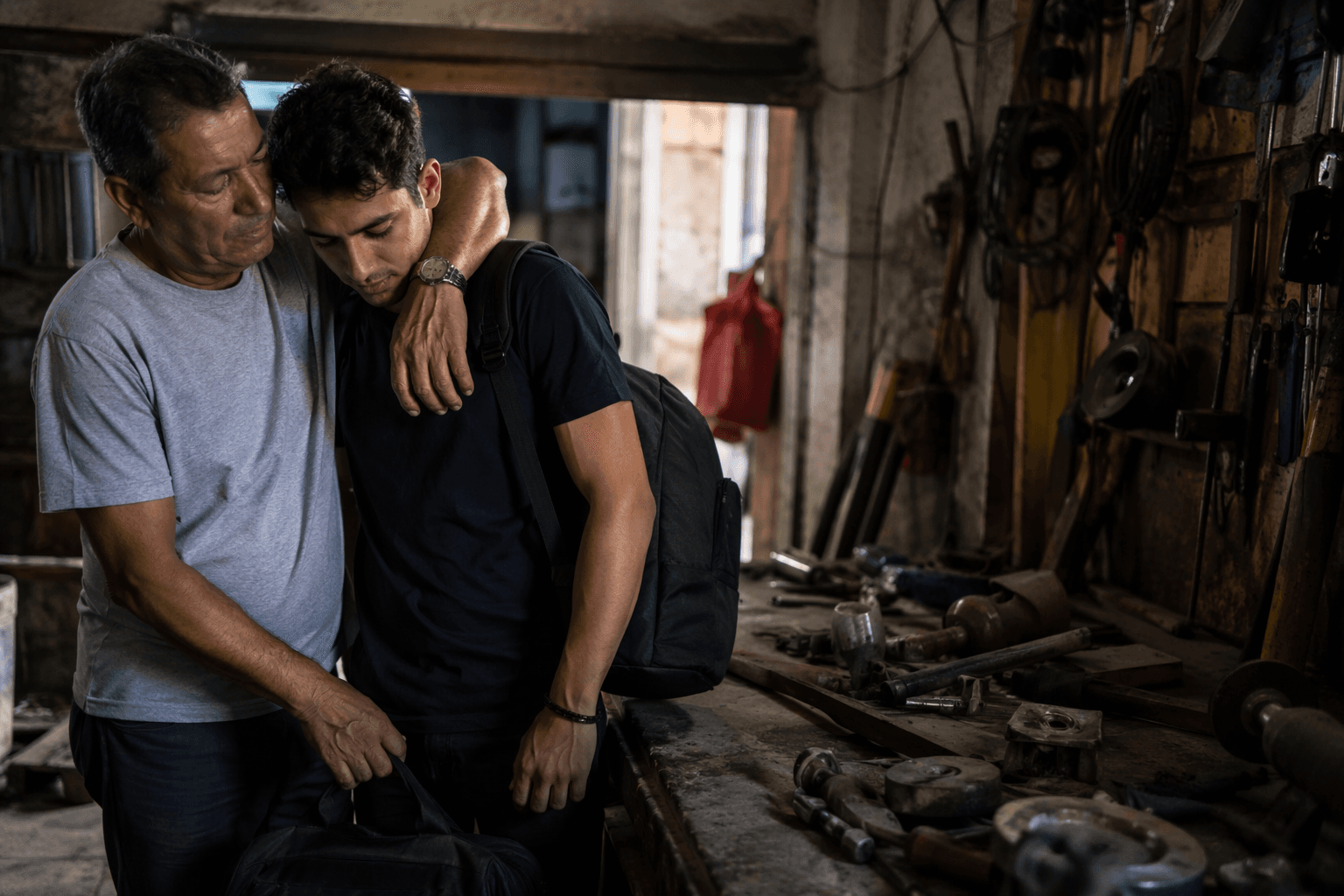
The father’s return to Cuba is not a tidy homecoming. It lands in the middle of another family departure, and that is the point: on the island, leaving and coming back are often parts of the same inheritance. A man who once left for Spain with a children’s theater group now tries to build a life around the house his mother made, while his son’s future continues to unfold somewhere else.
A family split by distance, held together by duty
The story begins in the 1990s, when Cuba had entered the Special Period, the long crisis of scarcity that followed the collapse of the Soviet Union. Like many who left during that era, the father went abroad and stayed, building a life in Spain while still anchoring his family in Cuba through money, visits, and constant attention. He supported his mother and his son from overseas, came back each year, and kept showing up through years when getting by was itself a daily project.
That pattern matters because the family never really stopped moving, even when one member was physically at home. The father’s return is shaped by the son’s departure, and both are part of the same Cuban reality: one generation leaves to keep the others afloat, then later looks back toward the house, the neighborhood, and the routines that made the separation bearable in the first place.
Why going back is not the end of migration
His plan was simple on paper, but Cuba rarely allows simplicity. He wanted to live in the home his mother had built, yet the path back ran through paperwork, residency rules, and the practical challenge of making a living in a country still weighed down by crisis. In June 2024, Cuba published draft migration-law changes that would eliminate the old 24-month limit on staying abroad without losing residency. The reform also introduced the idea of “effective migratory residence” and was reported to allow overseas residents to keep property.
That legal backdrop helps explain why return has become its own kind of migration. The old assumption was that crossing borders meant a clean break, but the Cuban family story shows something more complicated: a person can leave, support the household from abroad, return years later, and still face the same basic question of how to belong, how to register, and how to make a home function in a system that keeps shifting underneath them.
The wider pressures are unmistakable. Independent reporting in 2025 said more than 250,000 Cubans emigrated in 2024, while broader demographic analyses described a population that fell sharply in the early 2020s and is aging fast. That combination of fewer young people, more departures, and a thinner support network makes every return feel heavier, because the family receiving the return has often already been stretched by years of absence.
Home is a roof, a schedule, and a workaround
Once back in Cuba, the father does not settle into nostalgia. He adapts. He creates a small movie theater in the patio and uses an EcoFlow battery so children can watch films during blackouts. That detail captures the Cuban way of living right now: people do not wait for perfect conditions, because perfect conditions are not coming. They patch together a life with power banks, improvisation, borrowed time, and the stubborn belief that a little normality can still be built.
The blackout crisis is part of the same landscape. Cuba suffered a nationwide blackout on October 18, 2024, leaving the entire island without electricity, and reporting at the time said roughly 10 million people were affected. The father’s patio theater is not just a charming gesture. It is a direct response to a daily infrastructure emergency, an attempt to create something steady for children in a place where the grid can disappear all at once.
That is also why the father keeps buying goods to resell and chasing any free or low-cost opportunity that can help him survive. In Cuba, the domestic economy often runs on improvisation as much as on formal work. What looks like a side hustle is frequently the main strategy, especially in a country where inflation, shortages, and unreliable services have made basic stability hard to hold.
The house carries the weight of the whole cycle
The emotional core of the story sits in the home itself. The father returns because he wants to be near his son and to believe in the value of coming back. But the son’s life continues elsewhere, which means the family remains split across borders even when one of them is physically on the island. That is the painful arithmetic of Cuban emigration: one person’s return does not erase another person’s departure, and both can be acts of care.
Housing makes that tension even sharper. Independent reporting says Cuba faces a housing deficit of about 800,000 homes or more, and a large share of the existing housing stock is in regular or poor condition. Havana Times has also described the shortage of permanent solutions and the risks tied to empty homes and squatters. In that setting, the house is never just a private asset. It is a family anchor, a legal object, a shelter under strain, and often the reason migration decisions keep cycling back into the same conversations.
That is why this family story feels larger than one man’s journey from Spain to Cuba. It shows how the island keeps redistributing hope, duty, and belonging across generations. The father comes home wanting permanence, the son leaves looking for possibility, and Cuba keeps forcing both choices into the same frame.
This article was produced by Prism’s automated news system from verified source data, official records, and press releases, then run through automated quality and moderation checks before publishing. The system is built and supervised by the people who set the standards it runs under. Read our full AI policy.
Did this article answer your question?