Cuban fishers turn to rivers as fuel shortages deepen hunger
At dawn in Matanzas, men carry bait and nets to the San Juan and Yumurí rivers because one fish can decide whether a family eats.
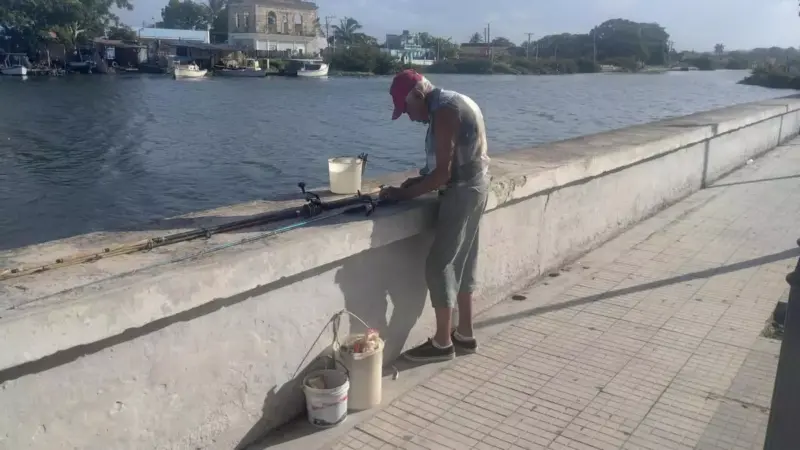
At dawn, the San Juan and Yumurí rivers filled with men carrying bait, nets and rods, but the point was no longer sport. In Matanzas, fish had become breakfast insurance, a practical answer to hunger as fuel shortages pushed offshore fishing out of reach and hollowed out the city’s once busier maritime life.
Joel was among those on the riverbanks, where the catch now mattered as much as the tide. He described fishing as something that still carried tradition, but also as a way to keep families from going to bed empty-handed. A single fish, he said in effect, could decide whether there was food on the table that day.

That change cut through a place long shaped by the sea. Matanzas, founded in 1693 on Matanzas Bay about 80 kilometers east of Havana, has historically been one of Cuba’s chief ports and an industrial center. In earlier years, June meant the red snapper run, when boats crowded the bay and the day’s haul could be sold or brought home for family meals. Now the fuel crisis, engine costs and scarce resources have made that kind of fishing economically impossible for many, leaving quieter, improvised work along the rivers.
The pressure on Matanzas fits a wider collapse in daily life across Cuba. The World Food Programme says the country has gone through a 15 percent contraction in GDP over the last six years, while the government’s monthly food basket, which provides basic commodities, is almost entirely imported and has faced shortages and delays in distribution. The U.S. Department of Agriculture’s Economic Research Service estimated that 12.8 percent of Cubans, about 1.4 million people, did not meet the daily 2,100-calorie threshold in 2023. Under an adjusted-income scenario, it estimated that 37.8 percent of the population, or 4.2 million people, was food insecure.
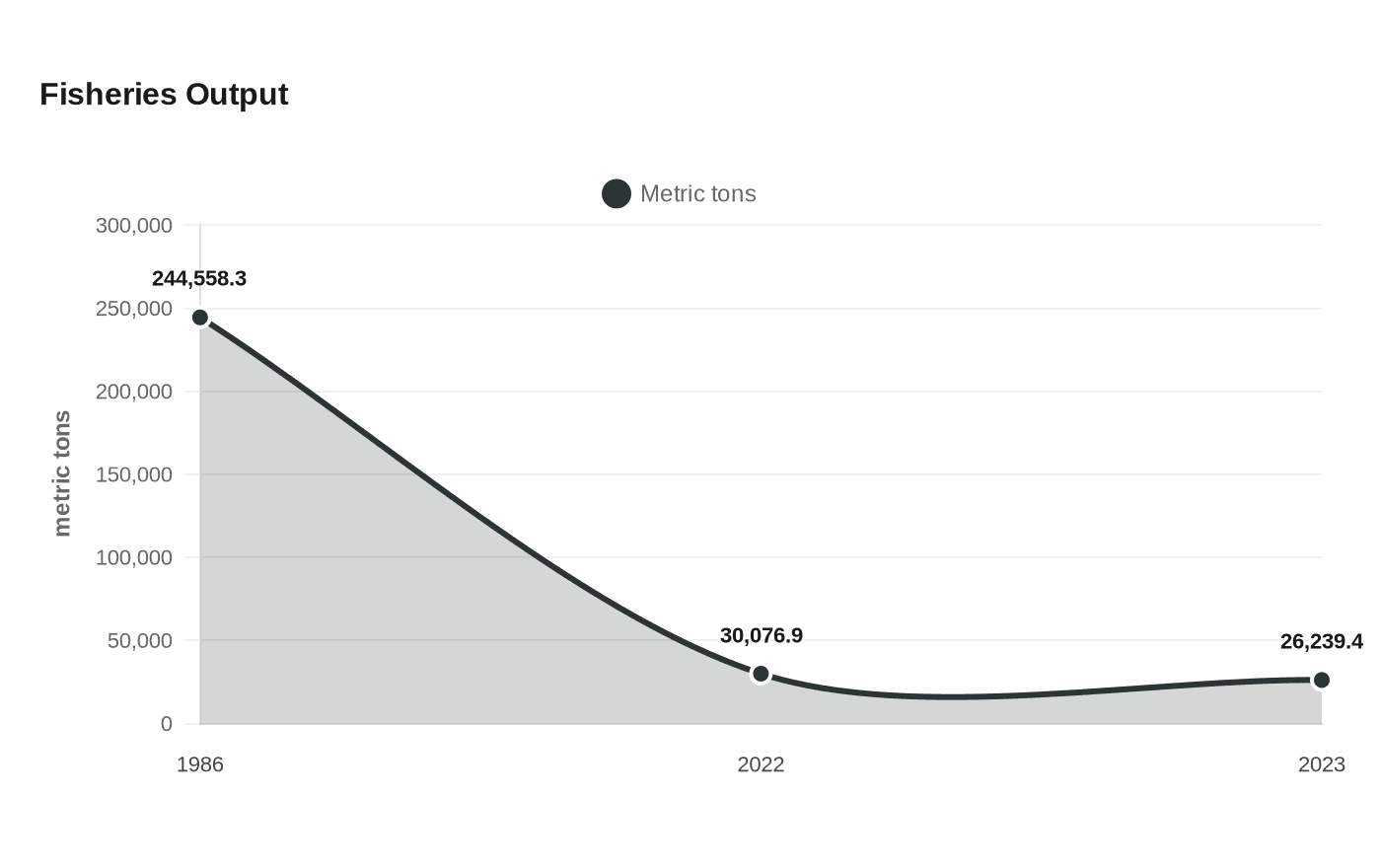
The fisheries numbers tell the same story in hard terms. Cuba’s total fisheries production fell to 26,239.4 metric tons in 2023, down from 30,076.9 metric tons in 2022 and far below the national peak of 244,558.3 metric tons in 1986. In Matanzas, that decline is not abstract. It is visible in the bait carried at daybreak, in the shift from bay to river, and in the way a familiar hobby has become part of the city’s food-security system.
This article was produced by Prism’s automated news system from verified source data, official records, and press releases, then run through automated quality and moderation checks before publishing. The system is built and supervised by the people who set the standards it runs under. Read our full AI policy.
Did this article answer your question?