Cuban freedivers use recycled materials to protect coral reefs
Cuban freedivers are using leftover cables and bits of clay to defend reefs in Ciénaga de Zapata, where scarcity has turned conservation into improvisation.
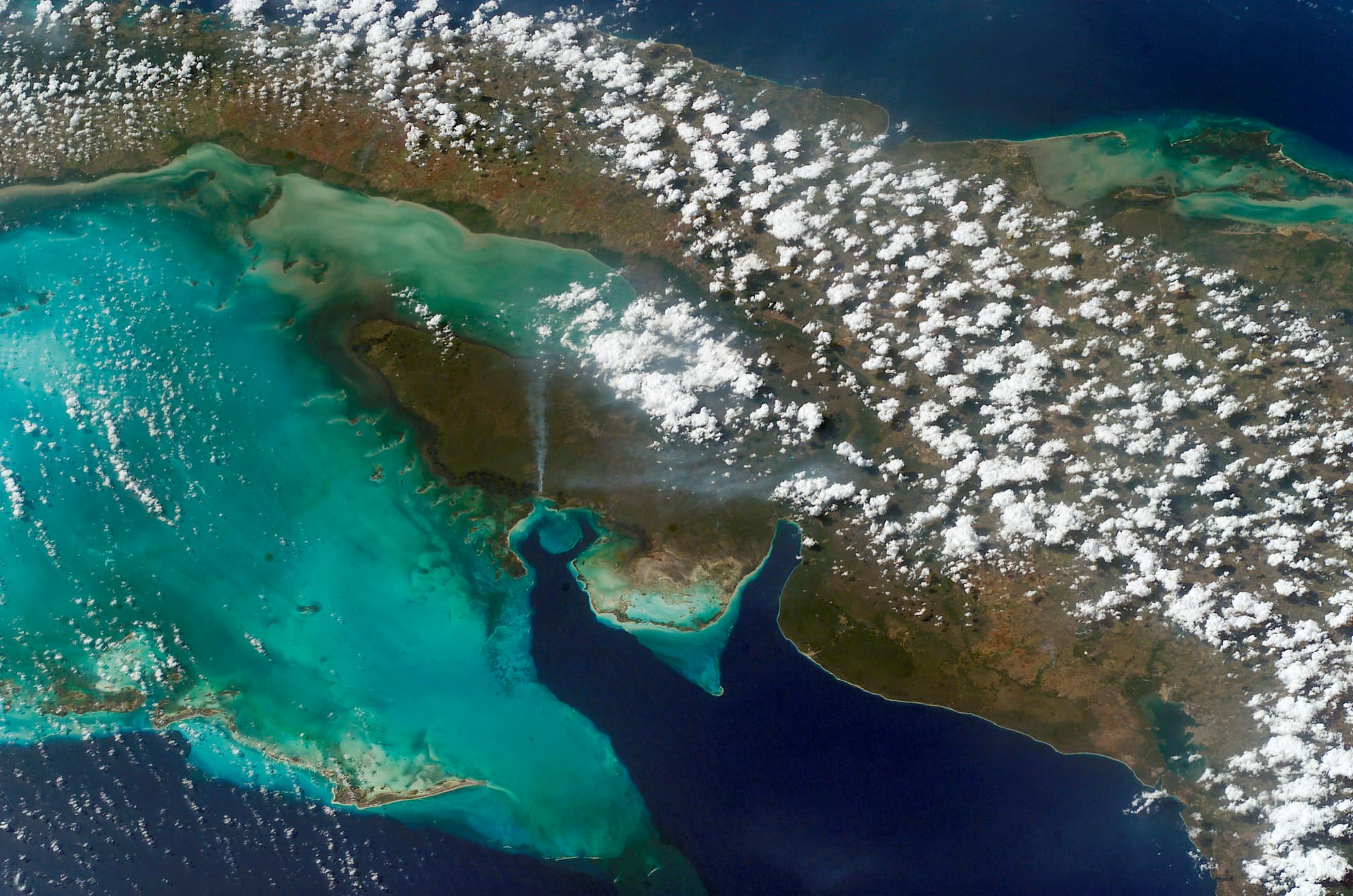
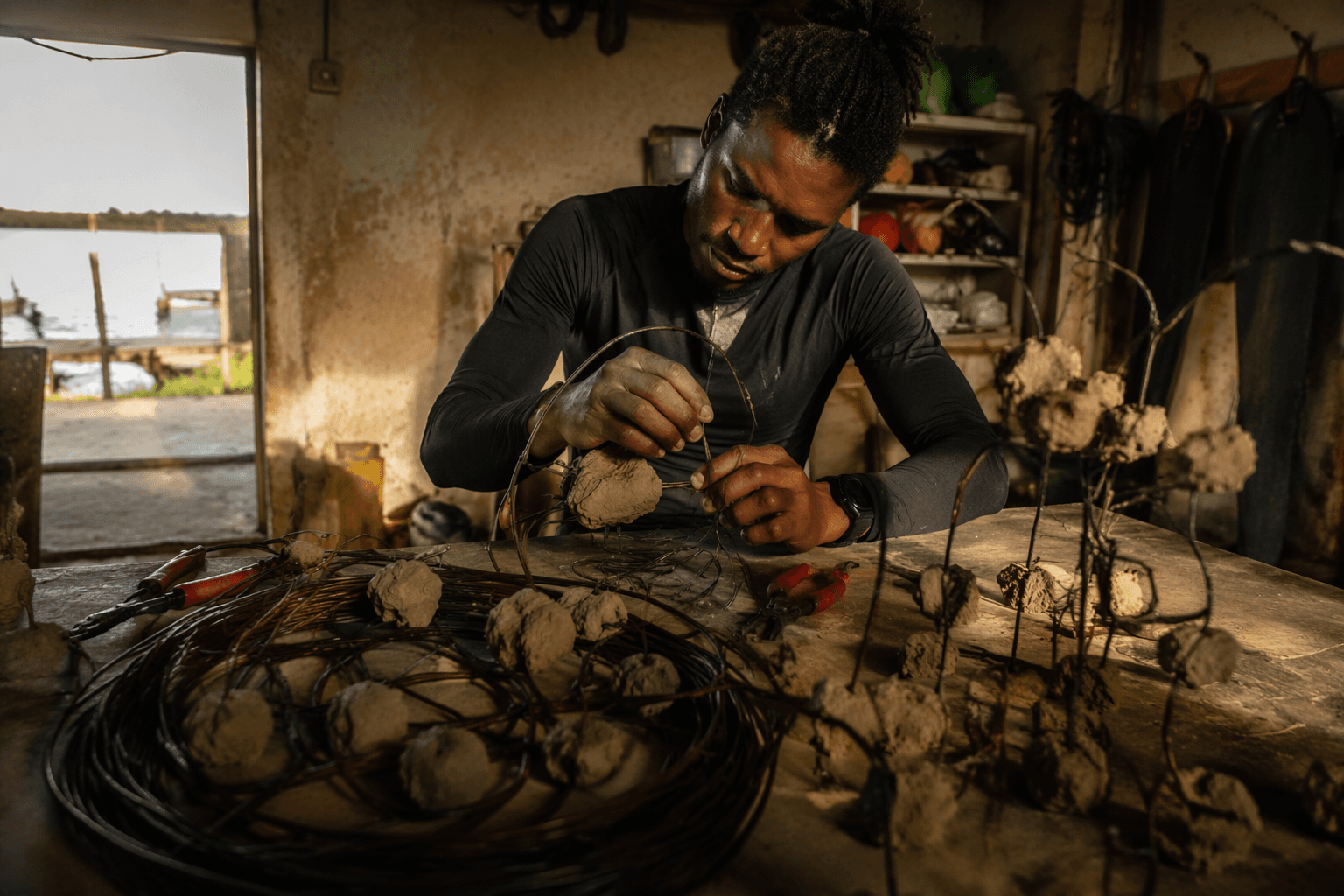
In Ciénaga de Zapata, reef protection has become an exercise in making do. Freedivers and conservationists are using leftover cables, bits of clay and other recycled materials to help shield coral in one of Cuba’s most important marine areas, while also hauling plastic and drink cans from the sea at 8 a.m. The work shows how environmental science on the island is being pushed to adapt to shortages instead of relying on imported gear.
The setting is no small stretch of coast. UNESCO says the Ciénaga de Zapata Biosphere Reserve covers 628,171 hectares on Cuba’s southern coast in Matanzas Province and ranks among the largest and most important wetlands in the Caribbean. The area was designated a Ramsar site in 2001, and UNESCO describes it as a mix of mangrove forests, seagrass beds, coral reef barriers and deep reefs. Inside Ciénaga de Zapata National Park, the reef system is considered highly unique and in especially good conservation condition.
That ecological value is tied to livelihoods. A UNESCO tentative-list description says the national park includes highly unique coral reefs and the Gulf of Cazones, a deep underwater canyon that is an important recruitment site for commercial species such as groupers and porgies. Healthy reefs also matter beyond fishing: The Nature Conservancy says Cuba has more than 1,000 square miles of coral reefs, more than one-third of the Caribbean basin’s reefs, while Caribbean live coral cover has fallen by about 60 percent over recent decades. UNEP says coral reefs cover less than 1 percent of the seafloor but support at least 25 percent of marine species.
That makes the improvised work in Ciénaga de Zapata especially revealing. In a country dealing with fuel shortages, sanctions pressure and broad resource constraints, even reef protection has to be built from what is available. The freedivers’ recycled materials are not just a stopgap, they are a signal that Cuba’s conservation effort is being forced to operate inside a wider breakdown of support systems, from science logistics to the dive economy that depends on healthy water.
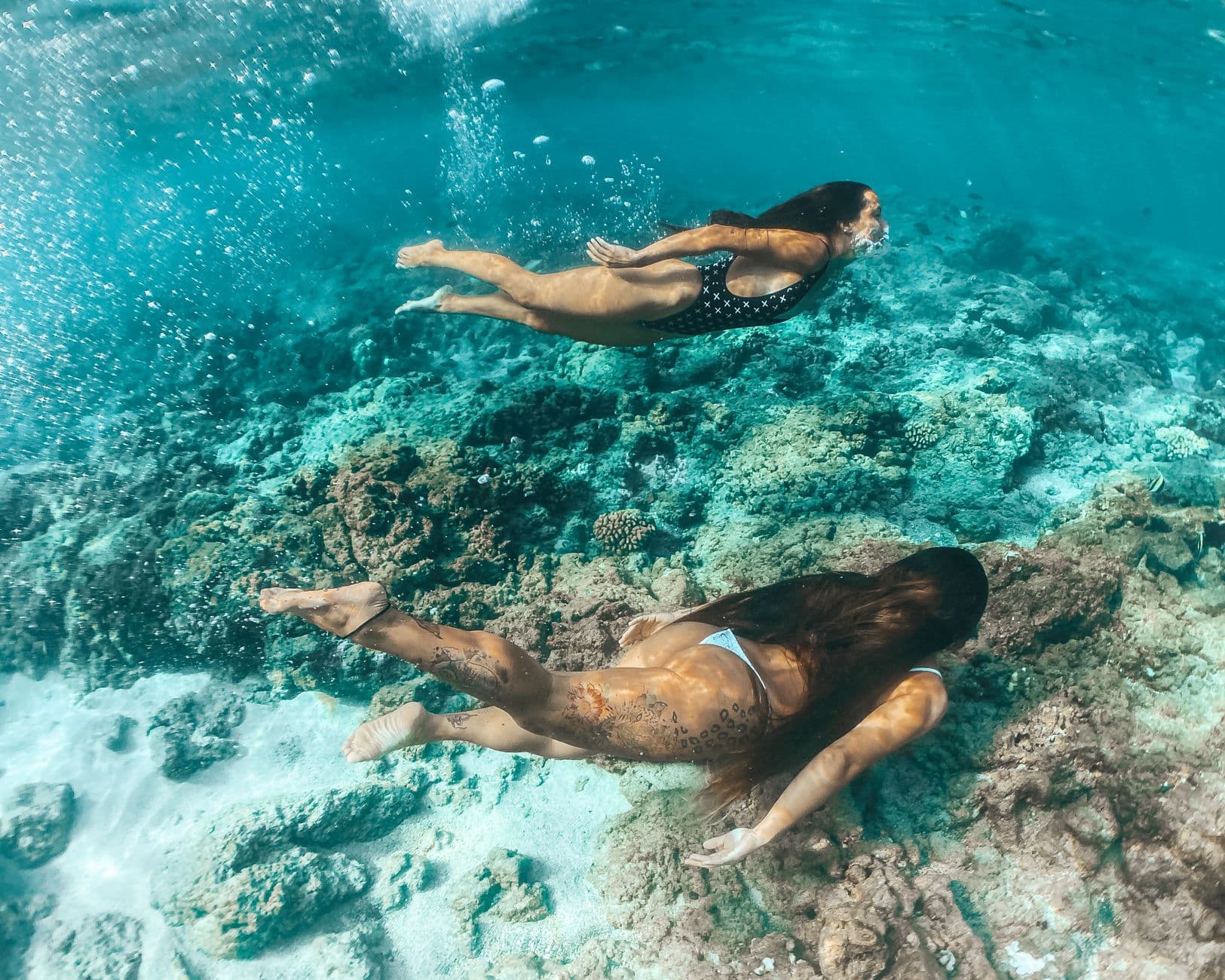
For Cuba’s reef belt, the stakes are immediate. The country’s tentative list has included Ciénaga de Zapata National Park and the Reef System in the Cuban Caribbean since 2003, underscoring how central the area is to the island’s marine future. In Ciénaga de Zapata, the fight to keep coral alive is now being waged with scavenged cables, salvaged clay and divers willing to work without the tools a stronger system would normally provide.
This article was produced by Prism’s automated news system from verified source data, official records, and press releases, then run through automated quality and moderation checks before publishing. The system is built and supervised by the people who set the standards it runs under. Read our full AI policy.
Did this article answer your question?