Cuban opposition leader Manuel Cuesta Morúa freed after violent arrest
A State Security summons in Havana turned into a violent arrest for Manuel Cuesta Morúa before his release hours later, a sharp warning to Cuba’s opposition.
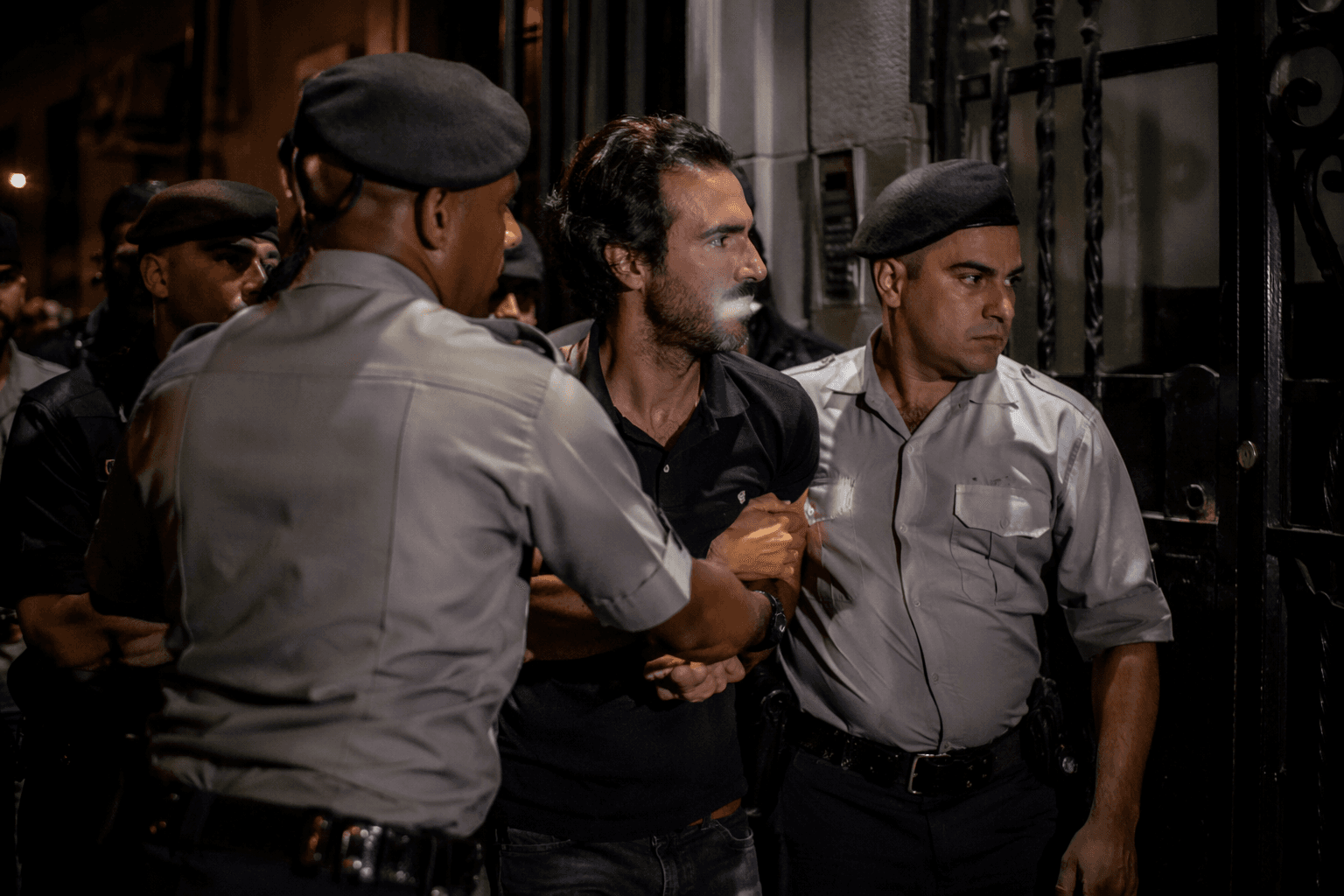
A summons to the Zanja police unit in Central Havana ended in a violent arrest for Manuel Cuesta Morúa, one of Cuba’s most recognizable democratic opposition figures, before he was released hours later on Sunday. His allies say the episode was no routine police matter but a trap set by State Security, and it followed a day of pressure around his home.
According to his partner, activist María Mercedes Benítez, security agents surrounded the couple’s home the day before, tried to enter without a warrant, and later used force when Cuesta Morúa went to the station. He had refused to obey the summons at first because he said he had committed no crime, then decided to go with Benítez rather than risk being arrested alone in public. Once inside the Zanja unit, officers moved quickly, handcuffed him, forced him into a patrol car, and confiscated his wallet, business cards, and identity card. He was not told where he was being taken.
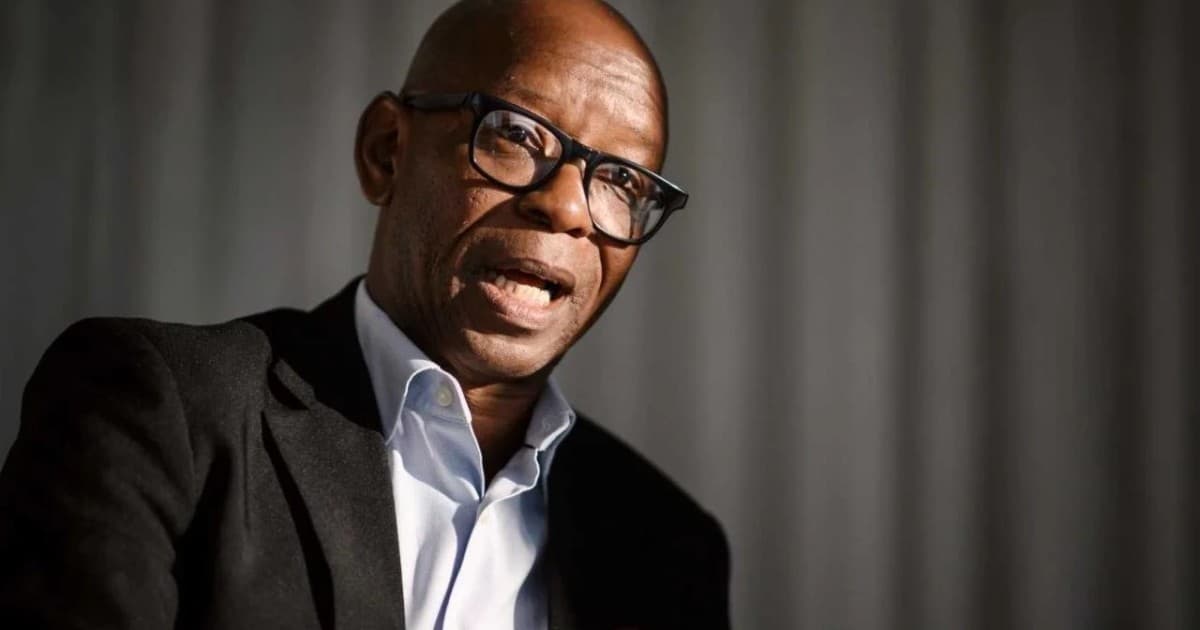
Cuesta Morúa’s profile explains why the arrest reverberated so widely. Born in Havana on December 31, 1962, he studied history at the University of Havana and later became associated with the Cuban Social Democratic Current. He has also been described as a sociologist, philosopher, and historian, and he leads the Council for Democratic Transition in Cuba, a platform that has remained active despite pressure. His politics have long centered on a nonviolent transition from within Cuba, not foreign intervention, which has made him a persistent voice in opposition circles.
In his own account, Cuesta Morúa said he was detained by security police and roughed up, underscoring how quickly a formal summons can turn into physical intimidation. That matters in Cuba’s current climate because rights groups say the government keeps leaning on arrest, surveillance, and harassment to silence criticism. Human Rights Watch said in its 2026 Cuba report that more than 700 political prisoners remain behind bars, while Amnesty International says arbitrary detention remains one of the authorities’ main tools against critics.
The detention also fits Cuesta Morúa’s own history with state pressure. He was detained in December 2024 after security forces surrounded his home and was released about seven hours later. The Council for Democratic Transition in Cuba renewed its leadership for 2026 to 2028 in December 2025, showing the organization is still operating despite recurring harassment. With Cuba’s parliament having approved economic reforms on June 19 to liberalize and decentralize parts of the economy, the arrest offered a blunt reminder that political opening is still tightly controlled. The Zanja summons showed once again how fast Cuba’s security apparatus can turn a paperwork call into a warning shot.
This article was produced by Prism’s automated news system from verified source data, official records, and press releases, then run through automated quality and moderation checks before publishing. The system is built and supervised by the people who set the standards it runs under. Read our full AI policy.
Did this article answer your question?