Cuban state security detains YouTuber Eddy in Havana crackdown
State Security seized Eddy Ceballos near his Havana home after a satirical military-site video, then held him incommunicado as family feared a harsh national-security case.

State Security moved against YouTuber Eduardo Ceballos Perez, known as Eddy, near his home in Havana on June 1, sending a clear message to Cubans who use digital platforms to document decay, shortages, and official absurdity. Multiple officers and motorcycles took part in the operation in Diez de Octubre municipality, and family members said he was not allowed to say goodbye, enter his home, or even notify his wife before he was taken away.
Ceballos had seen the threat coming. In an April video, he warned viewers that if they were watching it, he had already been imprisoned and separated from his home and daughter. That warning proved accurate. Family members later said they still had not been able to see him or deliver hygiene items, and the detention was described as incommunicado, with visits not expected for several days.

The case appears tied to a video posted around May 24, about eight days before the arrest, on Despingovery Channel, the satirical account Ceballos used to mock Cuba’s decay and destruction. In the clip, he showed an abandoned military installation with Soviet-era missiles, radars, bunkers, tunnels, and rusty obsolete hardware left to rot. The footage cut directly against the state’s preferred image of military readiness, especially after the National Assembly had recently declared a “real and dangerous threat of direct military aggression” from the United States.
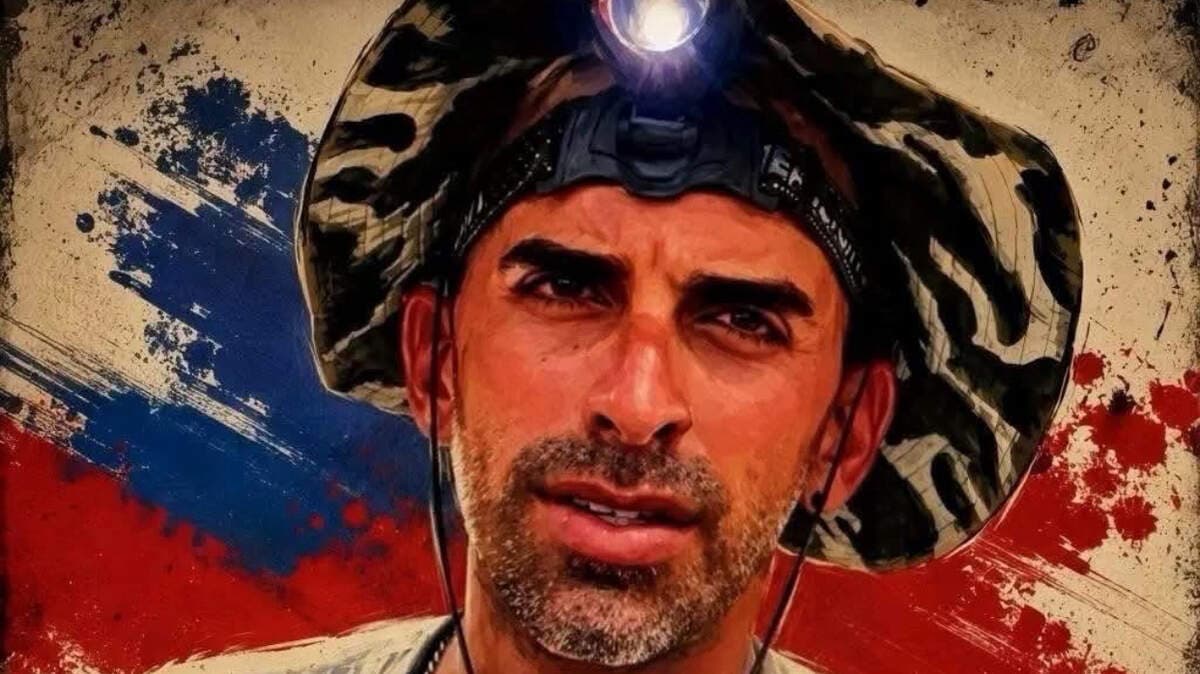
What happens next could be even more serious. Family members were told Ceballos might face a military trial under Article 117.1 for “revelation of secrets concerning State Security,” a charge that can carry four to 10 years in prison. They were also told the case could be framed as “invasion of military property,” but lawyer Alain Santana of Cubalex said that offense is not defined in either the civil or military penal codes. Ceballos, for his part, had already pushed back on the idea that his work was political subversion, saying he had “not spoken badly of any political instance” and that they sought to silence him. For creators who turn cameras on Cuba’s broken edges, the arrest was not just punishment for one video. It was State Security drawing the line in public.
This article was produced by Prism’s automated news system from verified source data, official records, and press releases, then run through automated quality and moderation checks before publishing. The system is built and supervised by the people who set the standards it runs under. Read our full AI policy.
Did this article answer your question?