Cuba’s dollar hits 630 pesos as informal market keeps climbing
The street dollar hit 630 pesos, widening the gap with the official rate and pushing up remittances, food, and small-business costs again.
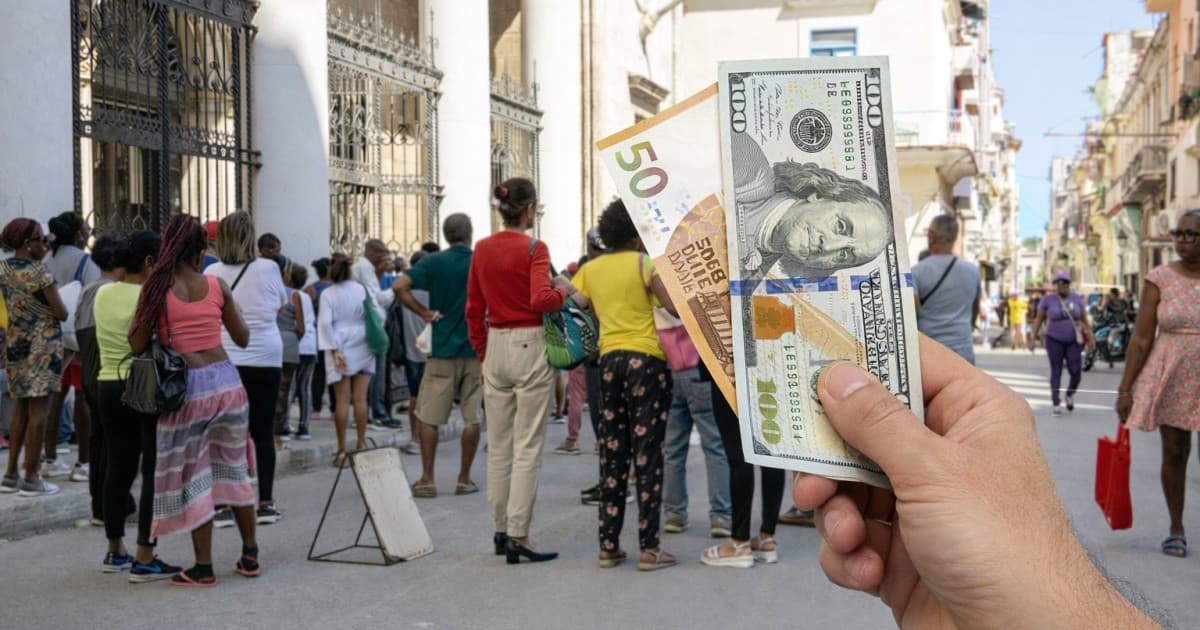
The informal dollar climbed to 630 pesos in Cuba on Tuesday, adding five pesos in a market that has set one record after another all month. At that level, a $100 remittance becomes 63,000 pesos on the street, and the jump lands quickly in the price of imported food, medicine, transport parts, and the cash flow of small private businesses. The bigger question now is what is driving this week’s surge, and whether the official rate, still fixed at 533 pesos to the dollar, is doing anything visible beyond leaving a wider gap behind.
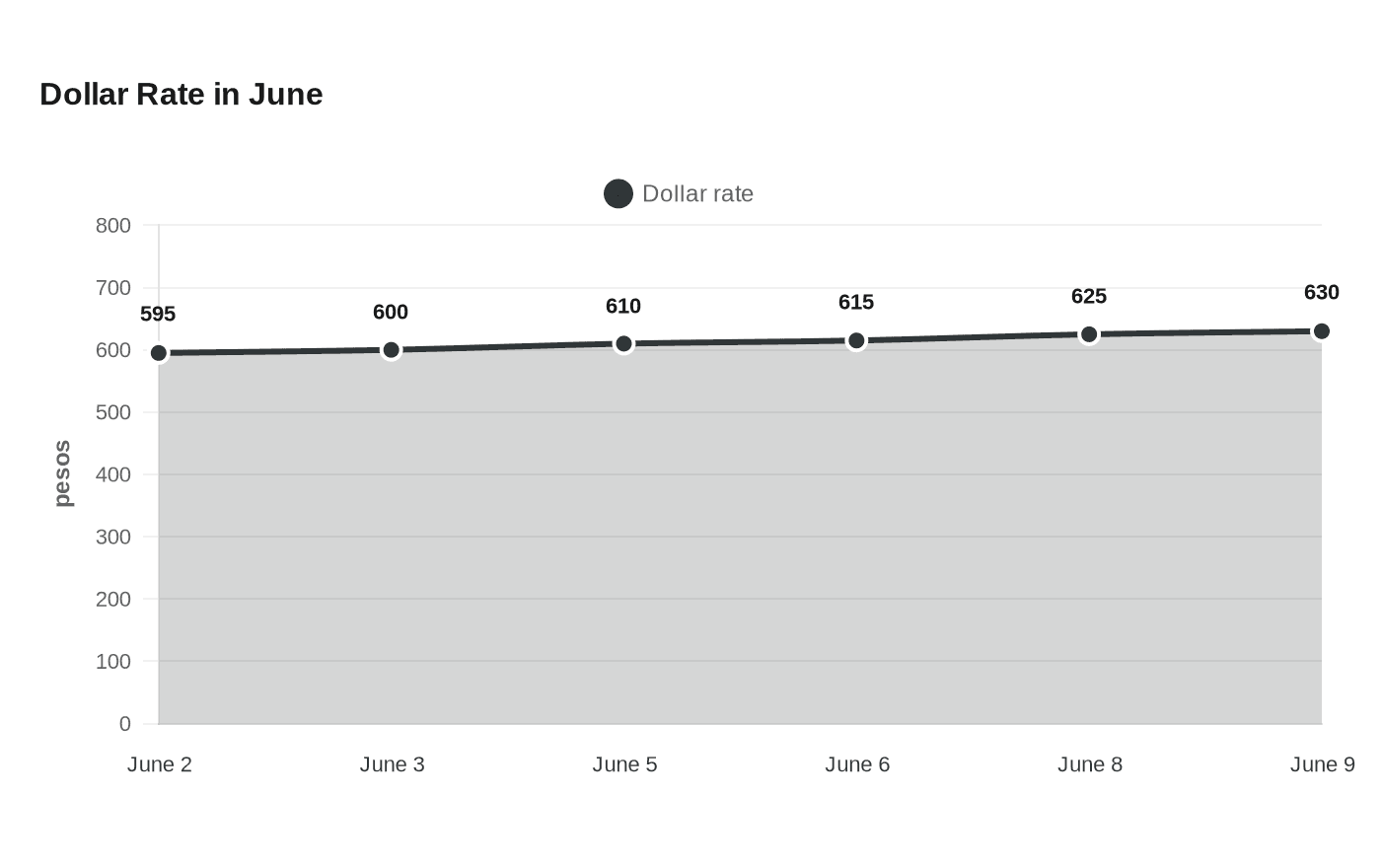
The climb was not a one-day fluke. The dollar moved from 595 pesos on June 2 to 600 on June 3, 610 on June 5, 615 on June 6, 625 on June 8, and 630 on June 9, with the latest reading posted at 10:57 a.m. The euro hovered around 710 pesos, while the MLC stood at 427.69 pesos on June 5, showing that the pressure is hitting all the main informal references used on the island. ElTOQUE’s own tracking also showed the dollar had risen for 14 straight days and accumulated 50 pesos of depreciation in June.
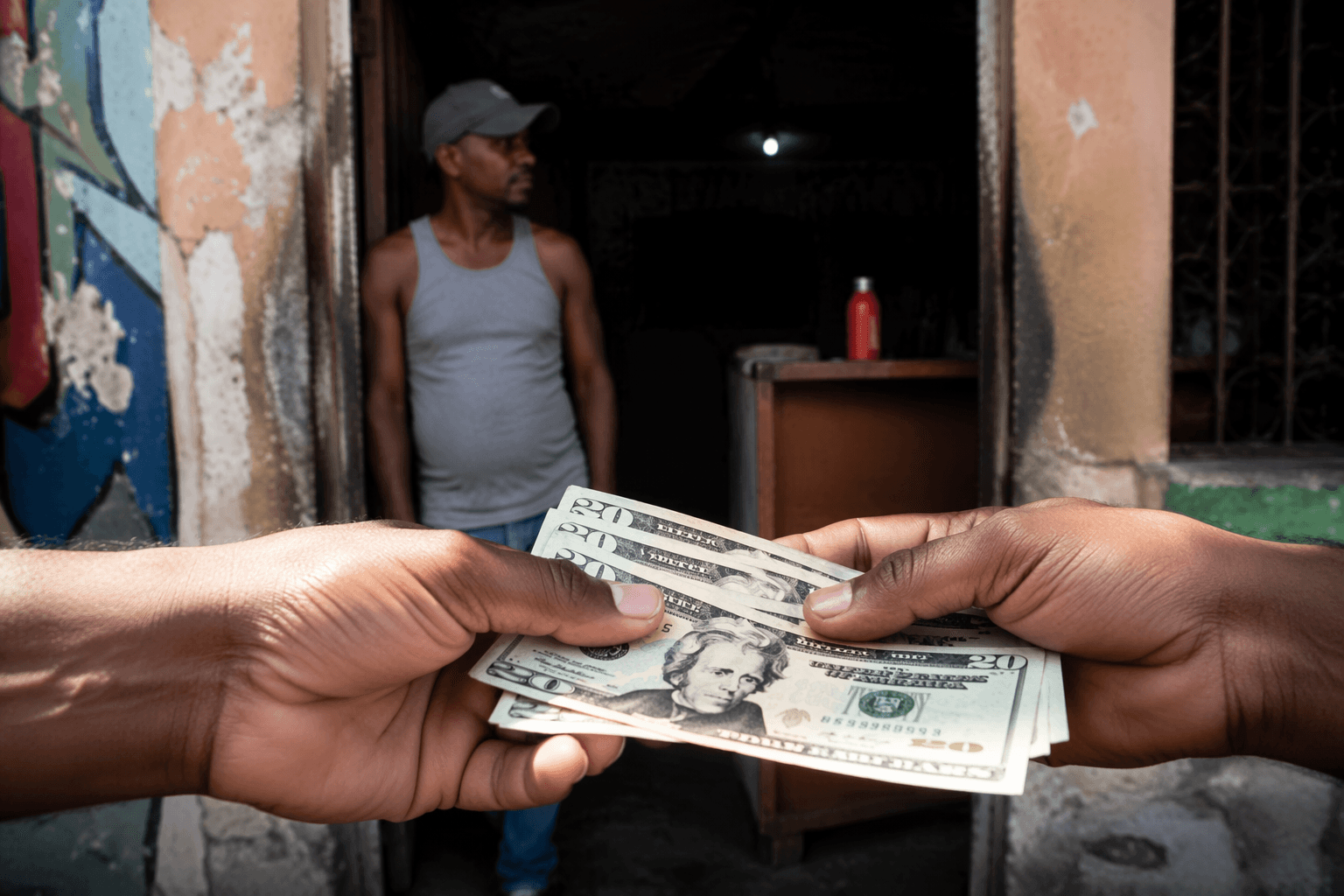
The pace points to a market under strain, not a normal fluctuation. OMFi had projected 620 pesos for the dollar by the end of June in its central scenario and 650 as a maximum, but the market was already trading close to that range by June 9. Behind the surge sit familiar forces: inflation that has run above 200% over the 2024-2026 period, a shortage of foreign currency, the decline in tourism, and the energy crisis. International tourist arrivals plunged 56% in February 2026 from a year earlier, cutting another channel of hard currency into an economy that badly needs it.
For Cubans, the exchange rate is not an abstract number. ONEI’s 2025 salary figures were later summarized at about 6,649 pesos a month, with only Havana, Artemisa, and Villa Clara averaging above 7,000. A Columbia University-affiliated analysis published in May said the basic basket in Havana costs at least 14 times the average salary, which helps explain why every step higher in the dollar rate lands like a price hike on daily life. When the street dollar reaches 630 pesos and keeps climbing, remittances, shopping lists, and small business margins all shrink at the same time.
This article was produced by Prism’s automated news system from verified source data, official records, and press releases, then run through automated quality and moderation checks before publishing. The system is built and supervised by the people who set the standards it runs under. Read our full AI policy.
Did this article answer your question?