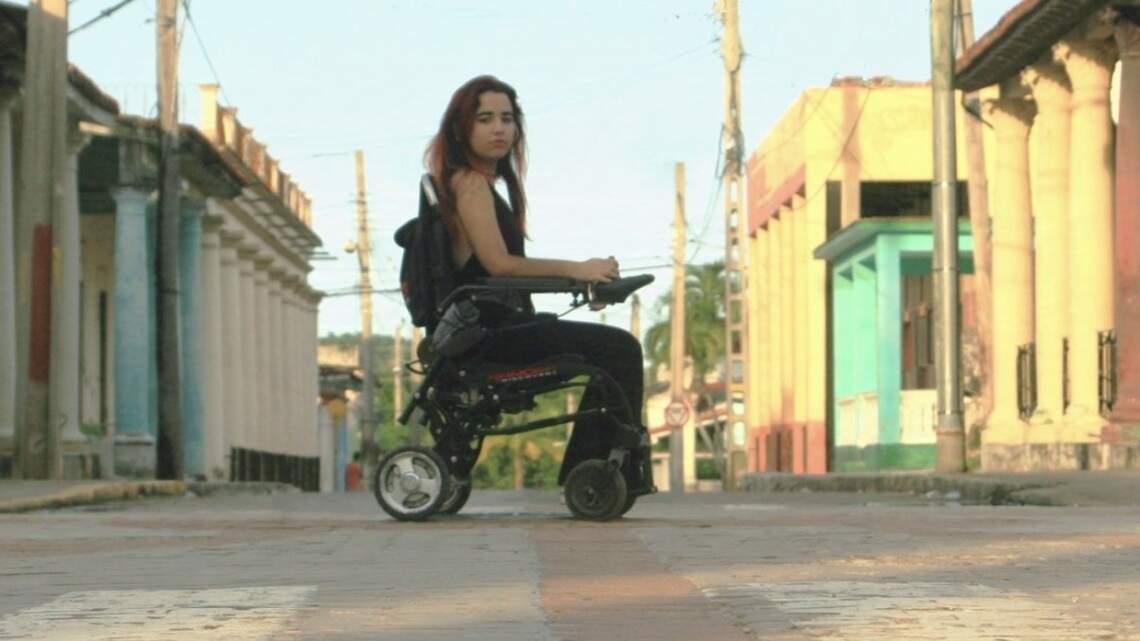
Cuba's streets turn to electric tricycles as fuel crisis deepens
Gasoline shortages have parked Havana’s almendróns and sent riders into electric tricycles, with 200 to 500 peso fares and improvised charging keeping the city moving.

Fuel scarcity has pushed Cuba’s streets into a new kind of daily arithmetic: if the almendrón cannot get gasoline, the electric tricycle may still get a commuter to work, school or a hospital. In Havana, where the old 1950s cars once defined urban motion, many now sit idle because fuel has become too expensive, around five dollars a liter, and too hard to find. Across Matanzas, Camagüey, Ciego de Ávila and Guantánamo, three-wheelers powered by small electric motors or pedals have become the vehicles most people can count on.
The state has already moved to catch up with what people were doing on the ground. On February 20, 2026, Transportation Minister Eduardo Rodríguez Dávila issued Instrucción No. 1, a temporary measure that opened a legal path for Licencias de Operaciones de Transporte for people operating electric mopeds, motorcycles and electric tricycles. The permission runs through December 2026 and was designed in part to cover a reality the authorities could no longer ignore: many of these vehicles were already in use without registration in many territories.
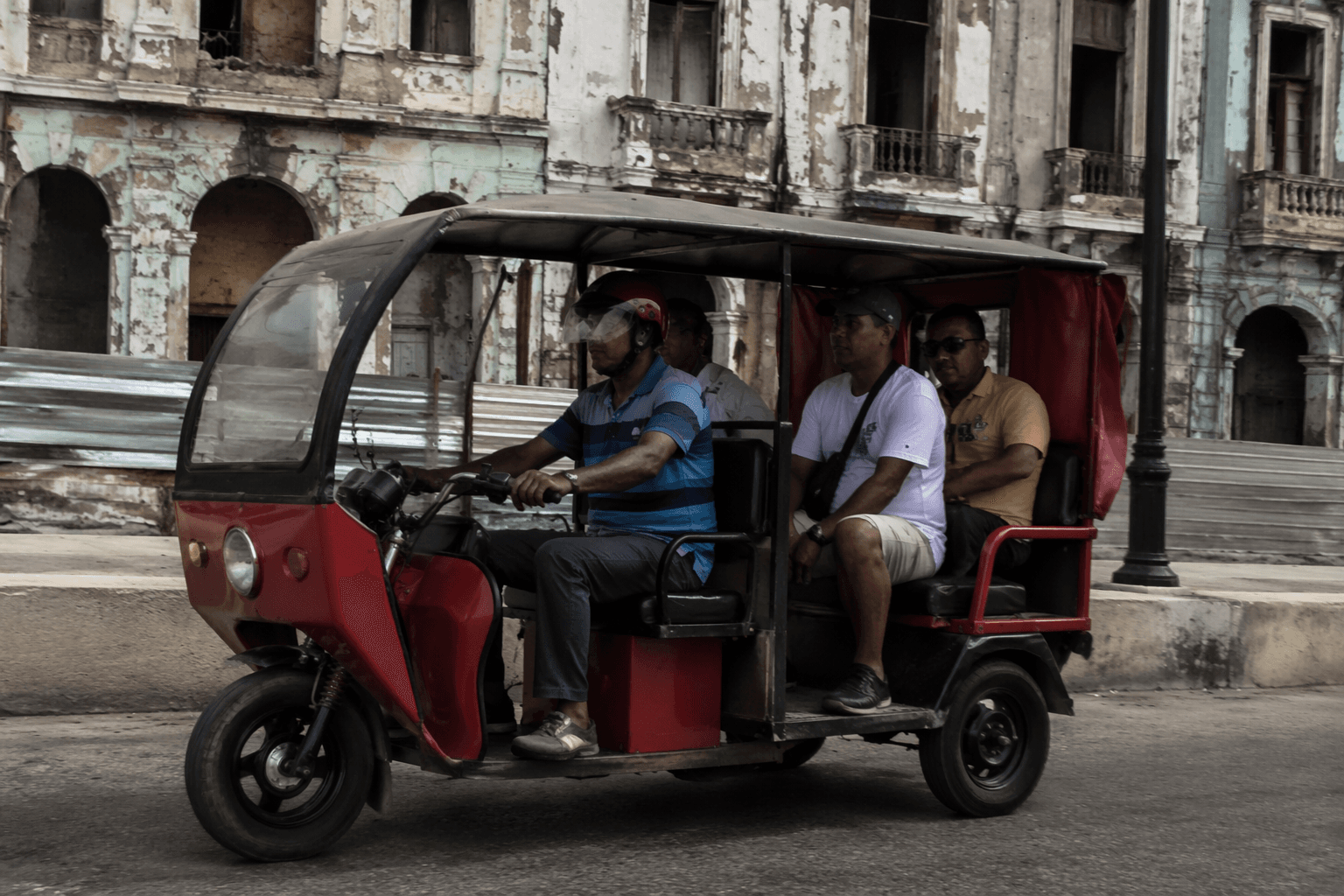
The tricycles themselves run on improvisation as much as electricity. Drivers recharge batteries with makeshift solar panels during Cuba’s short windows of power, then keep the vehicles alive with parts scavenged from broken bicycles, washing machines and recycled batteries. The fare is usually 200 to 500 pesos a ride, cheap by outside standards and still steep for many Cuban households, but it has become the price of reaching a shift, a medical appointment or a school run when buses and other fuel-dependent transport have thinned out.
By February 13, Reuters had already documented Cubans turning to electric vehicles and bicycles as one of the island’s worst fuel shortages in recent years tightened its grip on Havana. Wire images from AFP and Reuters showed electric vehicles and bicycle taxis on the capital’s streets, and later coverage in March and April linked the scramble for mobility to memories of the Special Period, when bicycles became a mass fallback in the 1990s. Havana Times described electric tricycles as the only real alternative for many people trying to get to work, school or the hospital.

That is why the tricycle boom feels less like a novelty than a measure of strain. The almendróns are still part of the city’s memory, but the daily system now runs on whatever can be charged, patched and pushed into service before the next outage.
This article was produced by Prism’s automated news system from verified source data, official records, and press releases, then run through automated quality and moderation checks before publishing. The system is built and supervised by the people who set the standards it runs under. Read our full AI policy.
Did this article answer your question?