Cuba’s tourism collapses as sanctions and fuel shortages drive visitors away
Arrivals fell 58.4% in five months, with May at just 30,883, as U.S. pressure, fuel shortages and hotel pullbacks hit Cuba’s hard-currency lifeline.
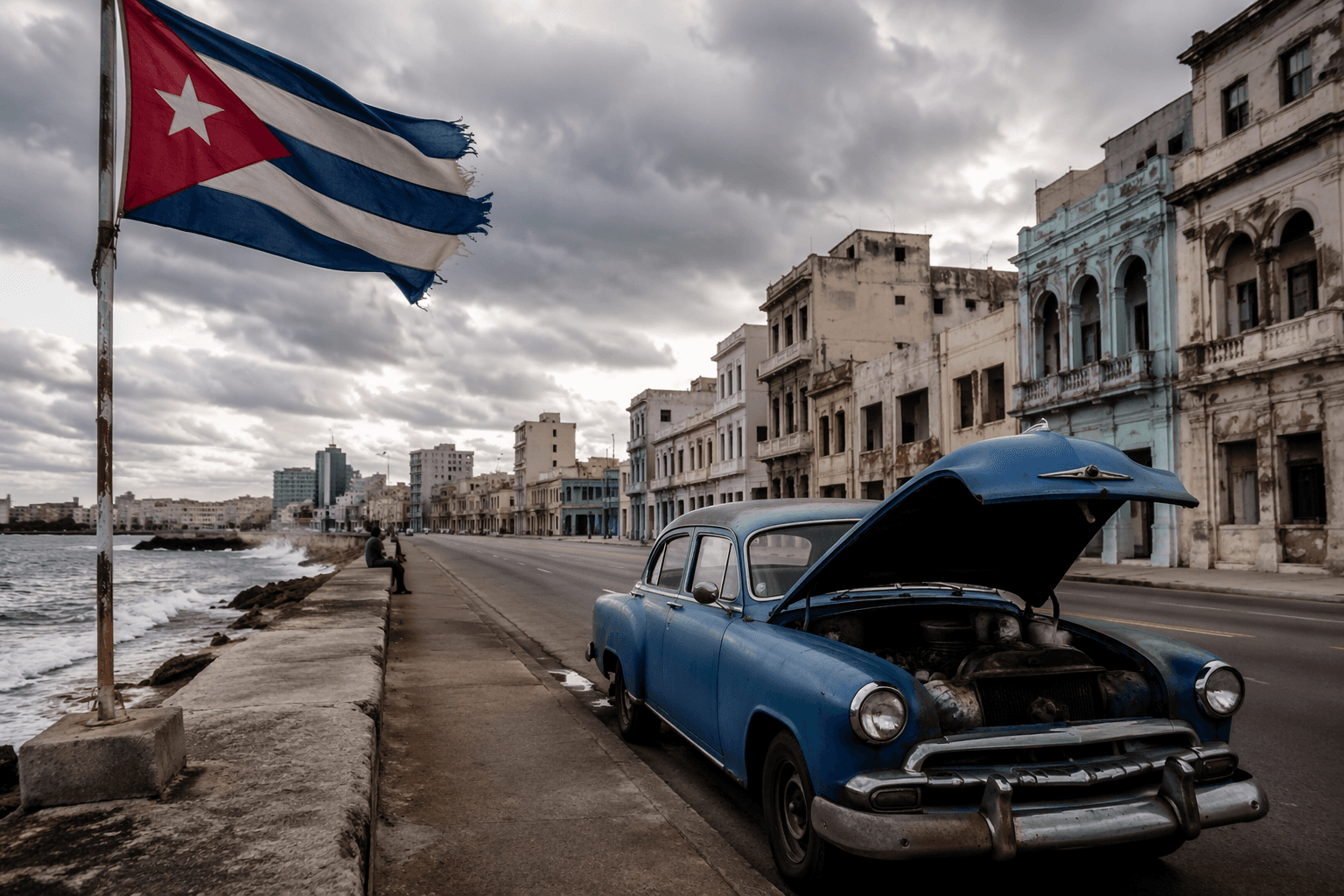
Cuba’s tourism economy is shrinking fast, and the numbers leave little room for spin. The island received 359,491 international visitors in the first five months of 2026, down 58.4% from the same period a year earlier, while May brought just 30,883 arrivals. Canada, long Cuba’s most reliable source market, fell to 126,239 visitors in January-May from 387,396 in the same stretch of 2025.
The drop is not happening in isolation. The White House has said Donald J. Trump’s Cuba policy enforces the statutory ban on U.S. tourism to Cuba and restricts direct and indirect financial transactions with GAESA and its affiliates, the military-linked conglomerate that controls a large share of the economy. The administration also set June 5, 2026 as the deadline for foreign companies to cut ties with GAESA-linked businesses, a move that has accelerated the retreat of major hotel operators.

Iberostar stopped managing 12 hotels in Cuba as of June 1, and Meliá Hotels International said it was halting management, marketing and brand use at 15 hotels. Blue Diamond Resorts also ended its Cuba operations. Together, those exits have hit the very parts of the visitor economy that keep money moving on the island: hotel staff, private rentals, drivers, restaurant owners, guides and the suppliers who depend on a steady flow of foreign guests.
Fuel shortages have made the squeeze worse. With less fuel available, road traffic has thinned and it has become harder for travelers to move around the island, adding another drag to a sector already under pressure from sanctions, uncertainty and a broader economic breakdown. The result is visible not just in empty rooms but in the collapse of the connected services that usually surround tourism in Havana, Varadero and beyond.
The 2026 plunge looks even starker against Cuba’s recent baseline. The country took in about 2.2 million international tourists in 2024, down 9.6% from 2023 and the lowest level in nearly two decades. That was already below the government’s original target of 3.2 million, later revised to 2.7 million. Canada remained the top source market in 2024 with 860,877 visitors, followed by Russia, the United States, Germany, Spain and Mexico. Now, with arrivals falling again and foreign operators pulling back, tourism is showing up as one of the clearest live signals of Cuba’s wider economic collapse.
This article was produced by Prism’s automated news system from verified source data, official records, and press releases, then run through automated quality and moderation checks before publishing. The system is built and supervised by the people who set the standards it runs under. Read our full AI policy.
Did this article answer your question?