Cuba's tourism sector remains in deep decline, occupancy seen below 10%
Cuba is still pouring money into hotels while occupancy sinks below 10%, a clash that raises a harder question than the usual slump: is the model itself broken?
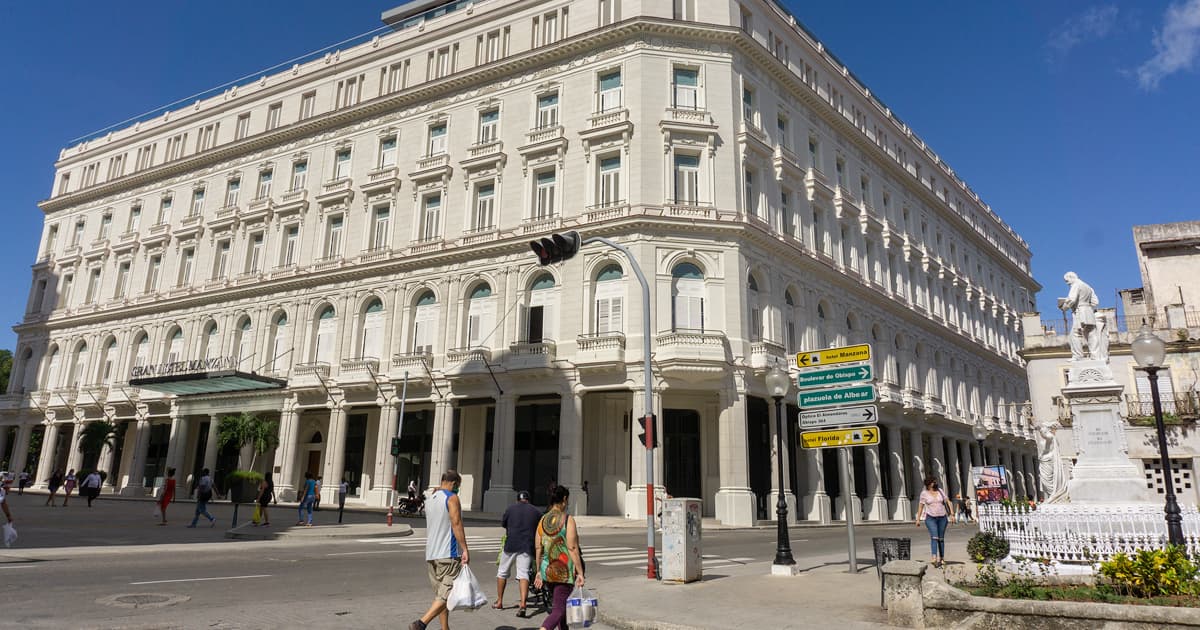
Empty rooms are becoming the clearest symbol of Cuba’s tourism problem. Even as the state and its hotel partners keep pushing new capacity, economist Elías Amor says occupancy in 2026 will not reach 10%, a level that would leave most properties financially unviable and deepen doubts about whether the island’s tourism machine is cyclical or structurally damaged.
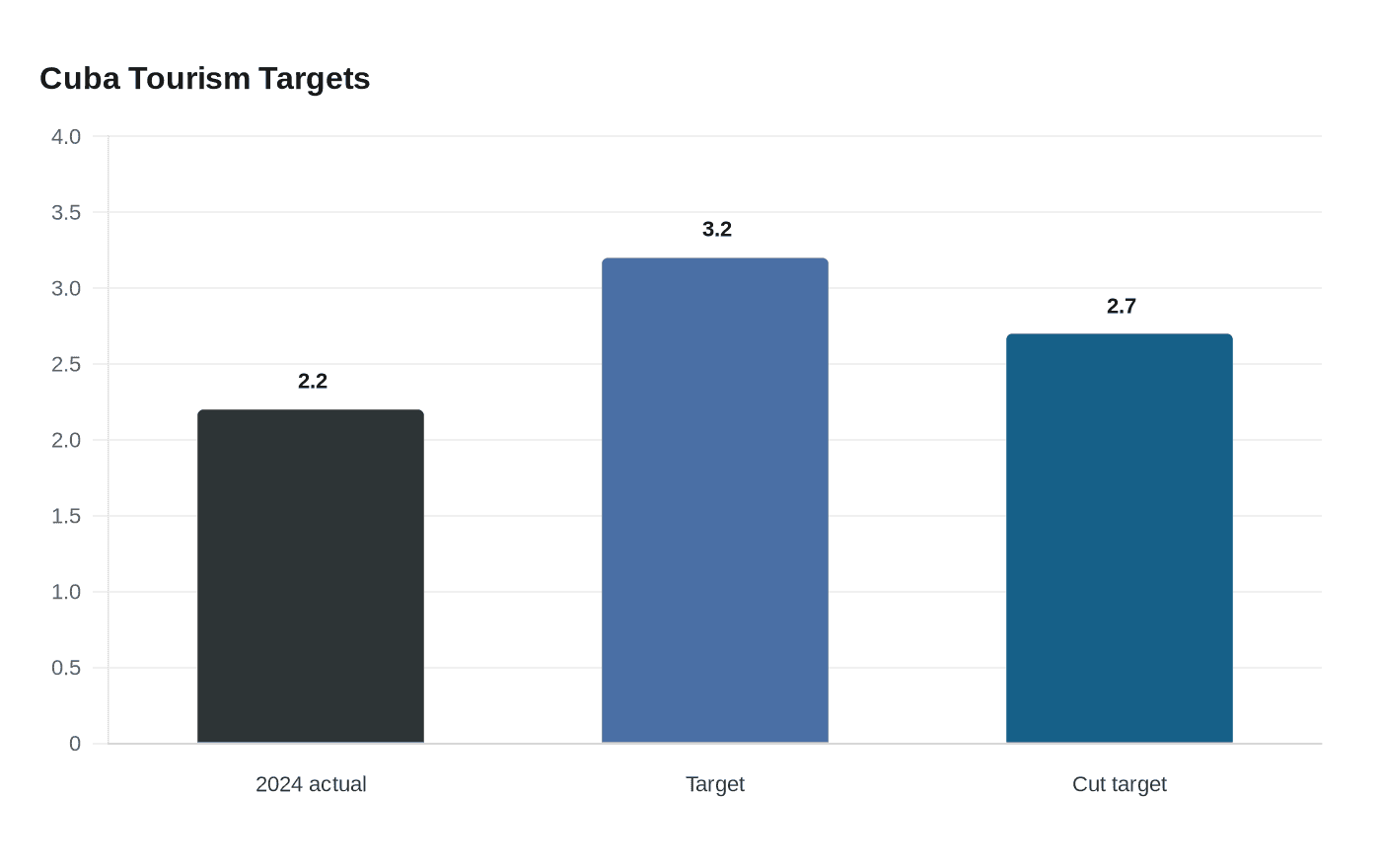
The warning lands on top of a long slide. The National Office of Statistics and Information, known as ONEI, tracks arrivals, overnight stays and hotel occupancy across the sector, including properties linked to MINTUR, Gaviota and Palco, making its figures some of the few hard numbers available on the island’s economy. Those numbers show Cuba ending 2024 with 2.2 million international tourists, down 9.6% from 2023 and far below the government’s original target of 3.2 million, later cut to 2.7 million. Canada remained the biggest source market with 860,877 travelers, followed by Russia, the United States, Germany, Spain and Mexico.
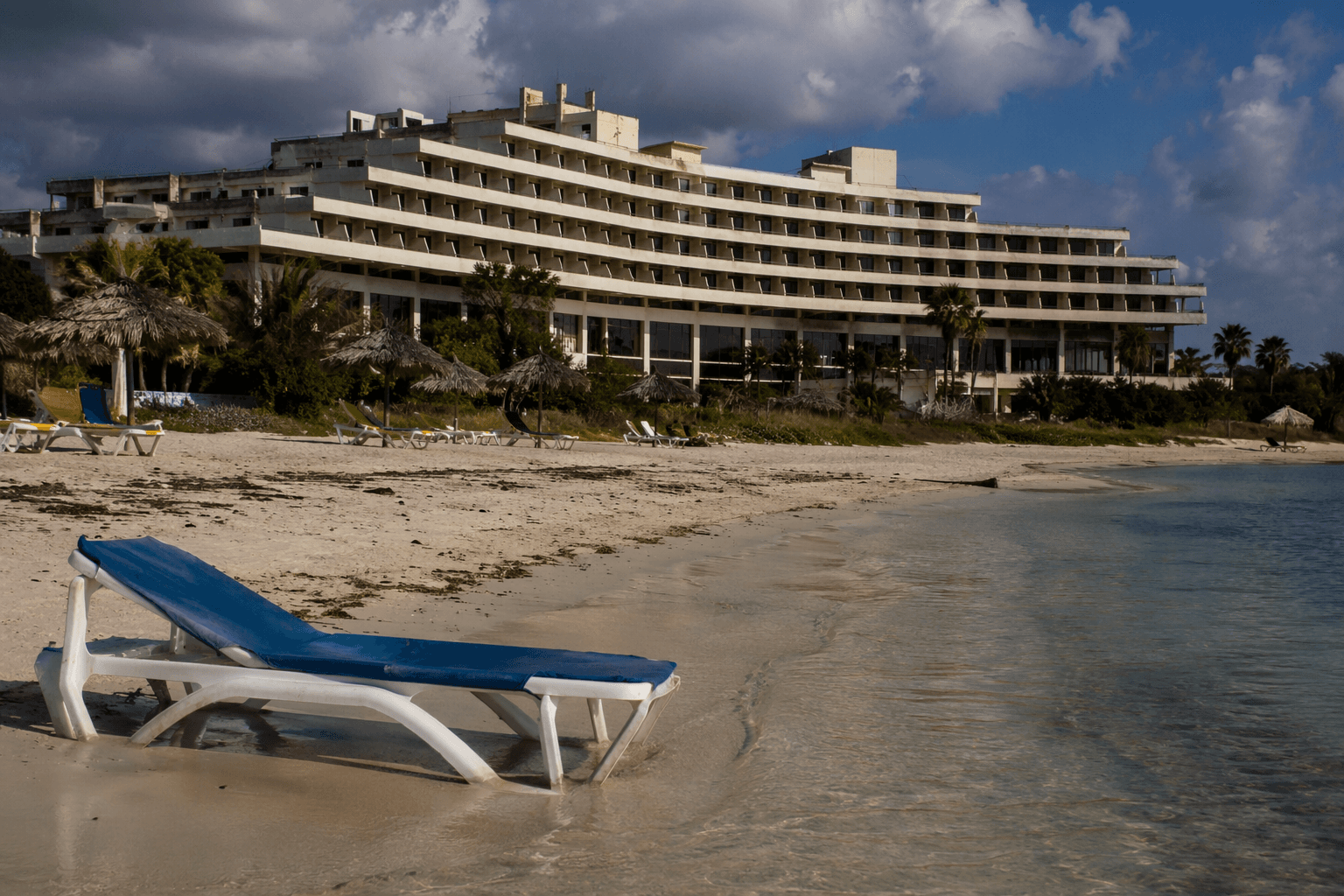
The slide continued into 2025. ONEI-based figures put hotel occupancy at 21.5% in the first half of that year, and the year closed at 18.9%, the weakest recent result cited in the data. By early 2026, the decline had deepened again: Cuba received 328,608 international tourists in the first four months of the year, a 55.8% drop from the same period in 2025. April brought only 30,551 visitors. The United States sent 21,066 visitors from January through April, equal to 43.3% of its prior-year total, while Russia sent 21,050, or 45.5% of its 2025 level. Argentina held up better than most markets at 13,256 visitors, 81.9% of its 2025 figure.
There were some monthly lifts in April from Canada, the United States, China and Cubans living abroad, but they did not alter the bigger picture. Amor’s reading is that month-to-month movement cannot be mistaken for recovery when the year-over-year base remains so weak. He traces the collapse back to 2021, when post-COVID optimism collided with inflation, worsening services and a broader energy and economic crisis.
The investment side looks just as uneasy. A 2024 Caribbean Council analysis said Gaviota kept adding hotels in Havana, Varadero, Cayo Santa María and Holguín even as occupancy stayed weak. In October 2025, Iberostar signed a lease agreement with Gaviota for the Iberostar Origin Laguna Azul in Varadero, replacing a management contract with a model that gave the Spanish chain more operational autonomy. That shift suggests Havana and Gaviota are trying to salvage a sector built for growth that never arrived, and Cuba’s tourism story now reads less like a temporary downturn than a test of how long stranded capacity can keep standing.
This article was produced by Prism’s automated news system from verified source data, official records, and press releases, then run through automated quality and moderation checks before publishing. The system is built and supervised by the people who set the standards it runs under. Read our full AI policy.
Did this article answer your question?