Díaz-Canel unveils reforms to revive Cuba’s collapsing farm sector
Díaz-Canel is promising land, credit and market access for farmers, but the real test is whether Cuba is finally fixing the bottlenecks behind years of collapse.

Miguel Díaz-Canel Bermúdez is betting that land, credit and fewer bureaucratic hurdles can do what years of central planning have not: put more food on Cuban tables. His new agriculture package lands in the middle of a farm crisis so deep that even the government is now framing productivity, access to supplies and investment as matters of survival, not policy fine-tuning.
The measures, announced on June 12, aimed to give land to people who can actually work it, reduce idle acreage, simplify agricultural procedures and widen producers’ access to supply markets, foreign exchange and bank accounts that operate in real currency. The package also opens more space for associations involving state producers, cooperatives, private entities and foreign investors, with Cuba looking to models in China and Vietnam for a more flexible mix of state control and market incentives.
That is the part worth watching. Cuba’s farm problem has never been just about land on paper. The country has spent years short on fuel, inputs, price signals and distribution capacity, while production keeps sliding and imports keep filling the gap. The government’s pitch suggests it now sees land access and financial flexibility as the key choke points, but the question hanging over the announcement is whether those changes will reach the daily mechanics that decide whether seed, fertilizer, harvests and food actually move.
The backdrop is stark. The U.S. Department of Agriculture’s Economic Research Service said in October 2024 that Cuba’s declining agricultural production and limited foreign-exchange earnings have pushed the island deeper into import dependence and worsened food insecurity. The Food and Agriculture Organization has said access to food remains limited for vulnerable households because prices are high and supplies are short, while 2024 maize and paddy output came in below average. Hurricanes compounded the damage, with FAO reporting losses that included 835 hectares of rice and 571 hectares of maize in Artemisa and Mayabeque, and severe crop and poultry damage across the island.
The timing also matters. Just three days earlier, Cuba published an Agricultural and Forestry Land Bill that would overhaul the land framework in place since 1991 and affect thousands of farmers and emigrants. Taken together, the land bill and the June 12 package look less like isolated fixes than a broader attempt to reset the rules of farming in Cuba, where land reform has always carried political weight as well as economic risk.
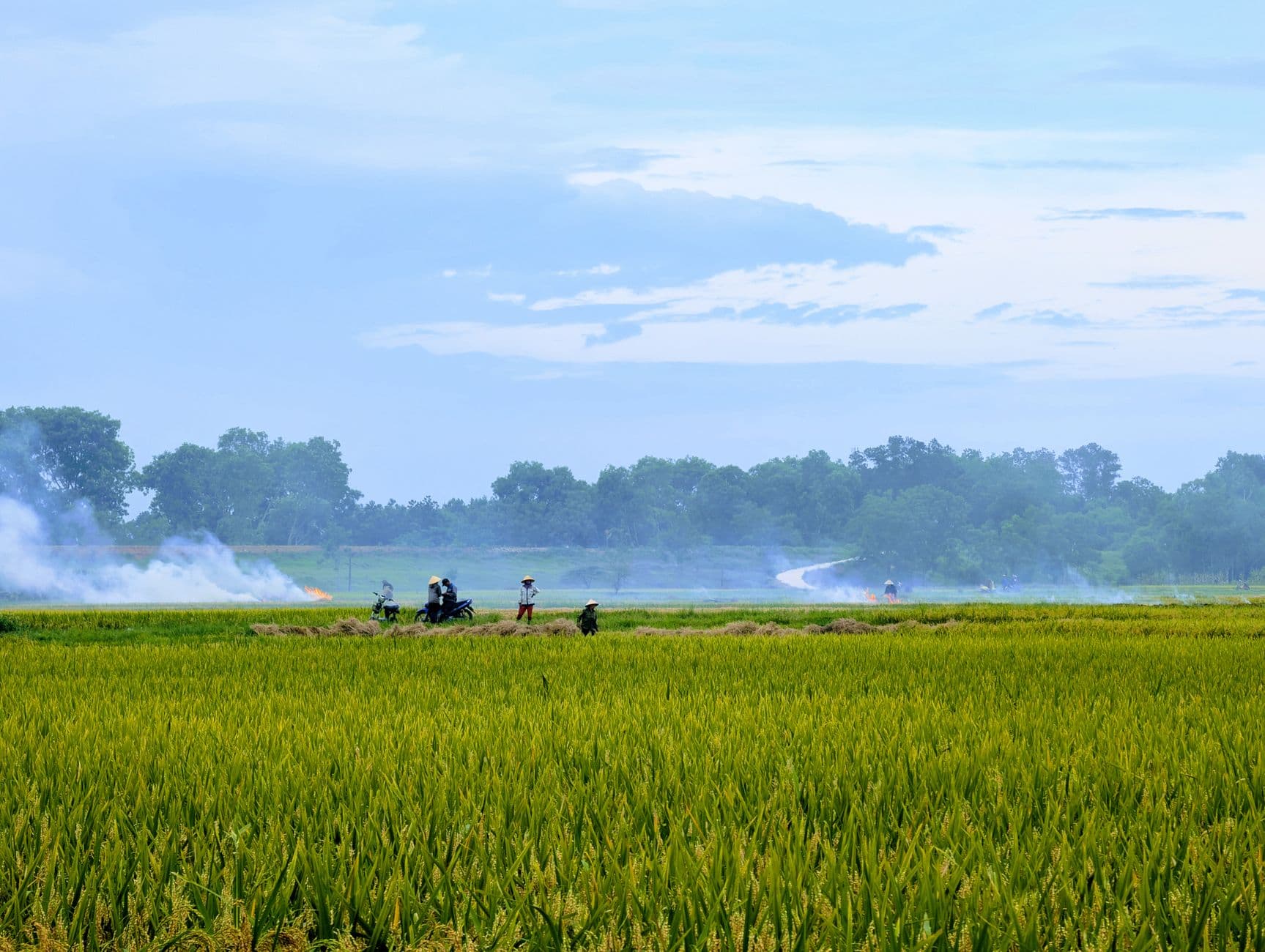
The urgency is not abstract. Cuba imported $355 million worth of U.S. agricultural products in the first nine months of 2025, up 15% from a year earlier, underscoring how much the island still relies on outside supply just to keep food moving. If Díaz-Canel’s reforms do not change how land, inputs and markets actually work, the collapse that has made imports indispensable will keep setting the terms of Cuba’s food crisis.
This article was produced by Prism’s automated news system from verified source data, official records, and press releases, then run through automated quality and moderation checks before publishing. The system is built and supervised by the people who set the standards it runs under. Read our full AI policy.
Did this article answer your question?