EU Allocates €2 Million to Aid Cuba Amid Worsening Energy Crisis
EU releases €2 million for Cuba as fuel shortages knock water treatment systems offline and cut food distribution to the island's most vulnerable.
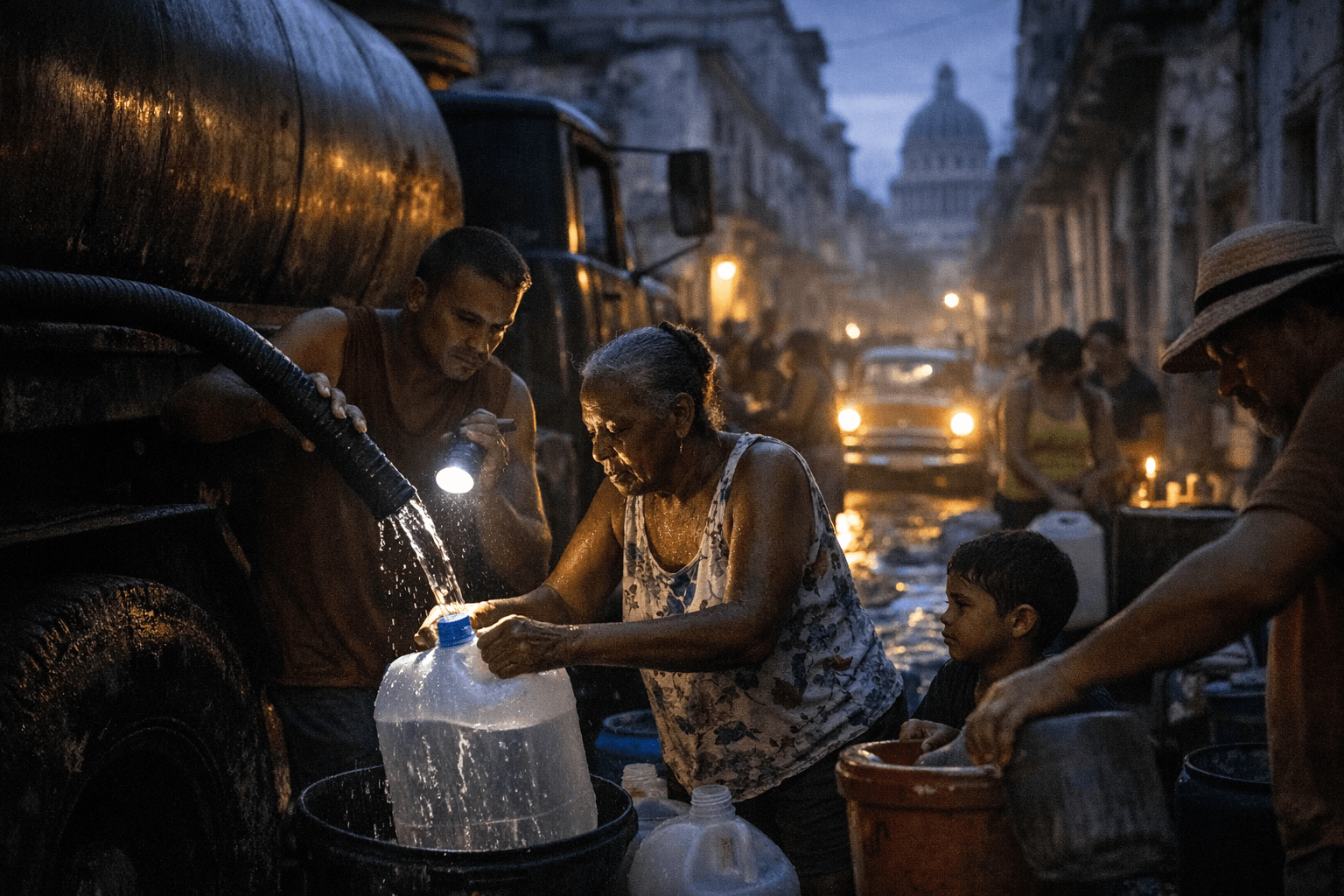
Extended blackouts have knocked water treatment systems offline and fractured food distribution networks across Cuba, and the European Commission has responded by releasing €2 million in emergency humanitarian funding to help humanitarian partners reach the communities most at risk.
The Commission's Directorate-General for European Civil Protection and Humanitarian Aid Operations, known as ECHO, announced the allocation on April 1. Equivalent to roughly $2.3 million, the funds are earmarked primarily for logistics: getting humanitarian partners already working in Cuba and the wider region the operational capacity to move safe drinking water and food supplies to communities isolated by cascading infrastructure failures.
EU officials explicitly tied the release to "worsening humanitarian conditions" caused by limited fuel supplies that have produced extended periods of no electricity. Without power, water treatment and distribution systems cannot run reliably, stacking sanitation and health risks on top of food insecurity for the island's most vulnerable residents.
The Commission's public statement framed the decision as an expression of "solidarity with the people of Cuba" and was deliberate in describing the funds as logistical and partner support rather than a direct state-to-state transfer. That distinction is not incidental. Bilateral energy shipments to Cuba have long been entangled in geopolitical pressures, and channeling aid through multilateral humanitarian implementing agencies allows EU partners to operate outside those constraints.
The new €2 million builds on an earlier regional allocation the EU directed toward Caribbean humanitarian needs earlier in 2026, bringing the bloc's total humanitarian commitments for Cuba higher this year. Actual distribution will be handled by implementing agencies operating on the ground and across the region.
The broader signal is significant. Commercial fuel supply chains to the island have been severely disrupted, and large-scale bilateral energy deliveries have stalled under complex international pressures. Multilateral donors moving into that space indicates that the humanitarian consequences of Cuba's energy crisis are receiving formal international recognition, a development that could prompt other donor states and agencies to expand their own responses.
Whether sustained international engagement can establish predictable corridors to communities that have been effectively isolated by blackouts and transport disruptions is the harder question that this funding alone cannot answer.
This article was produced by Prism’s automated news system from verified source data, official records, and press releases, then run through automated quality and moderation checks before publishing. The system is built and supervised by the people who set the standards it runs under. Read our full AI policy.
Did this article answer your question?