Florida firm scraps planned record fuel shipment to Cuba amid U.S. pressure
A 250,000-barrel fuel deal would have been Cuba’s biggest U.S. shipment since 1960. Instead, pressure from Washington left the island’s energy crisis more exposed.

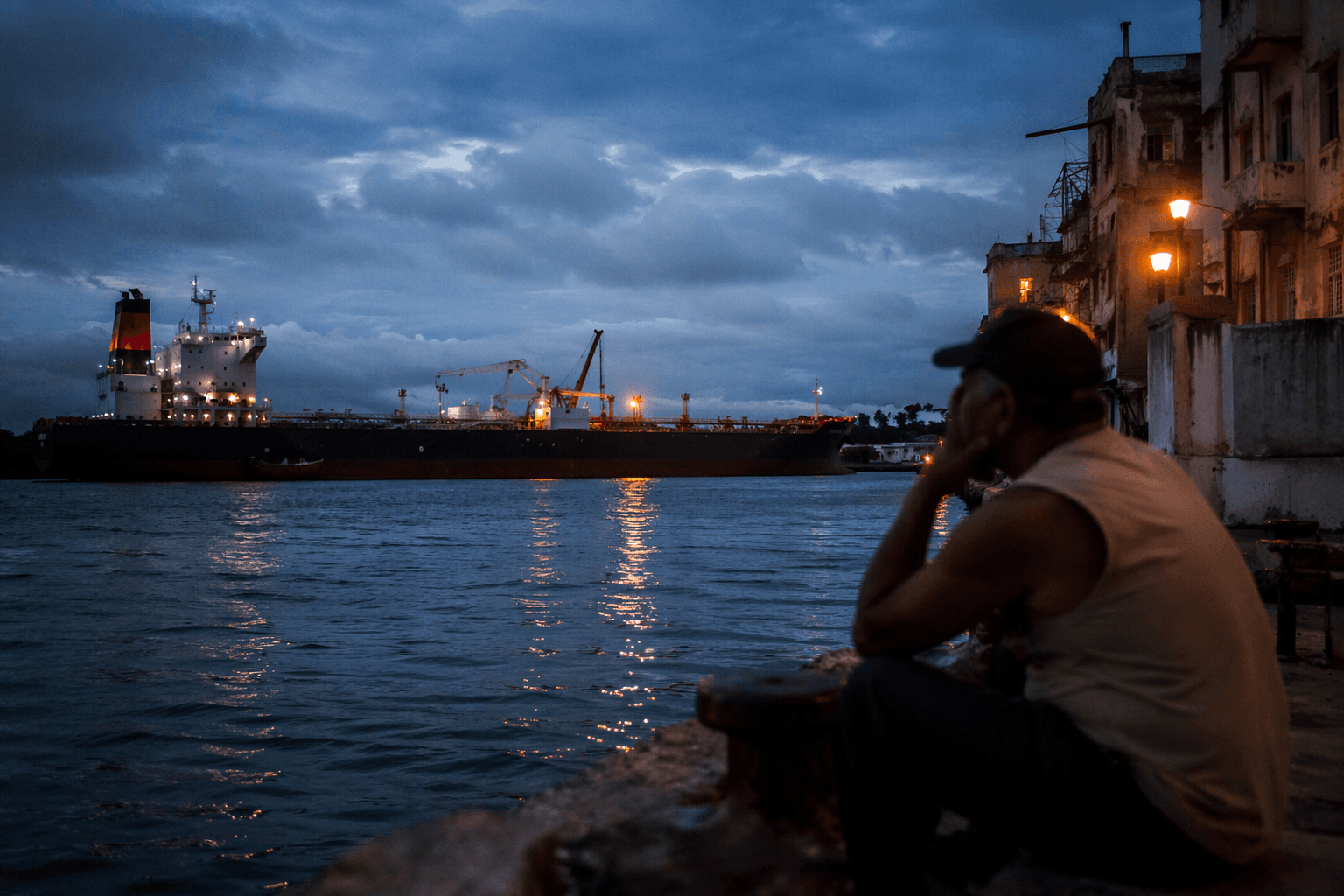
Cuba lost a rare chance at relief when a Florida oil trading house shelved plans for a 250,000-barrel gasoline and diesel shipment that would have been the largest U.S. fuel cargo to the island since 1960. The cancellation landed hard in a country already facing repeated blackouts, fuel shortages and a grid under severe strain.
Vanguard Energy, based in Coral Gables, had already been moving smaller fuel deliveries to Cuba and was reportedly working on a larger arrangement that would have used storage facilities owned by Cuba’s state oil company, CUPET. The bigger shipment was seen as a major test of how far a new export carve-out could go before the Trump administration widened pressure on Havana and the deal was shelved.
The shipment sat at the center of a policy shift that was supposed to open a narrow path for some fuel flows. In February 2026, the Bureau of Industry and Security updated Cuba export guidance to allow certain U.S.-origin gasoline and other petroleum products for eligible Cuban private-sector entities under License Exception Support for the Cuban People. But the exception was then suspended on March 4, 2026, for any transaction involving deposits into Cuban-owned banks, tightening the limits just as traders were trying to use it.
The Treasury Department also issued a more permissive stance on one slice of the oil trade, with OFAC saying on February 25, 2026 that it would favorably consider specific license applications for the resale of Venezuelan-origin oil for use in Cuba, as long as the transactions supported the Cuban people and private sector. Even so, the broader embargo remained in place, with most exports still requiring authorization.
The practical stakes on the island were already severe. The United Nations said on April 6, 2026 that humanitarian needs in Cuba remained acute despite limited fuel arrivals. It said the health system had more than 96,000 pending surgeries, including 11,000 for children, and that roughly one million people depended on water trucking. Reuters reported in March that the United States had already shipped about 30,000 barrels of fuel to Cuba’s private sector since early February, making the canceled 250,000-barrel cargo far larger than the flow already reaching the island.
For Cuba, the loss of the shipment was more than a broken business deal. It cut against the only opening that had seemed to widen at all, and left the island’s blackouts, transport disruption and daily shortages facing Washington’s pressure with less room to breathe.
This article was produced by Prism’s automated news system from verified source data, official records, and press releases, then run through automated quality and moderation checks before publishing. The system is built and supervised by the people who set the standards it runs under. Read our full AI policy.
Did this article answer your question?