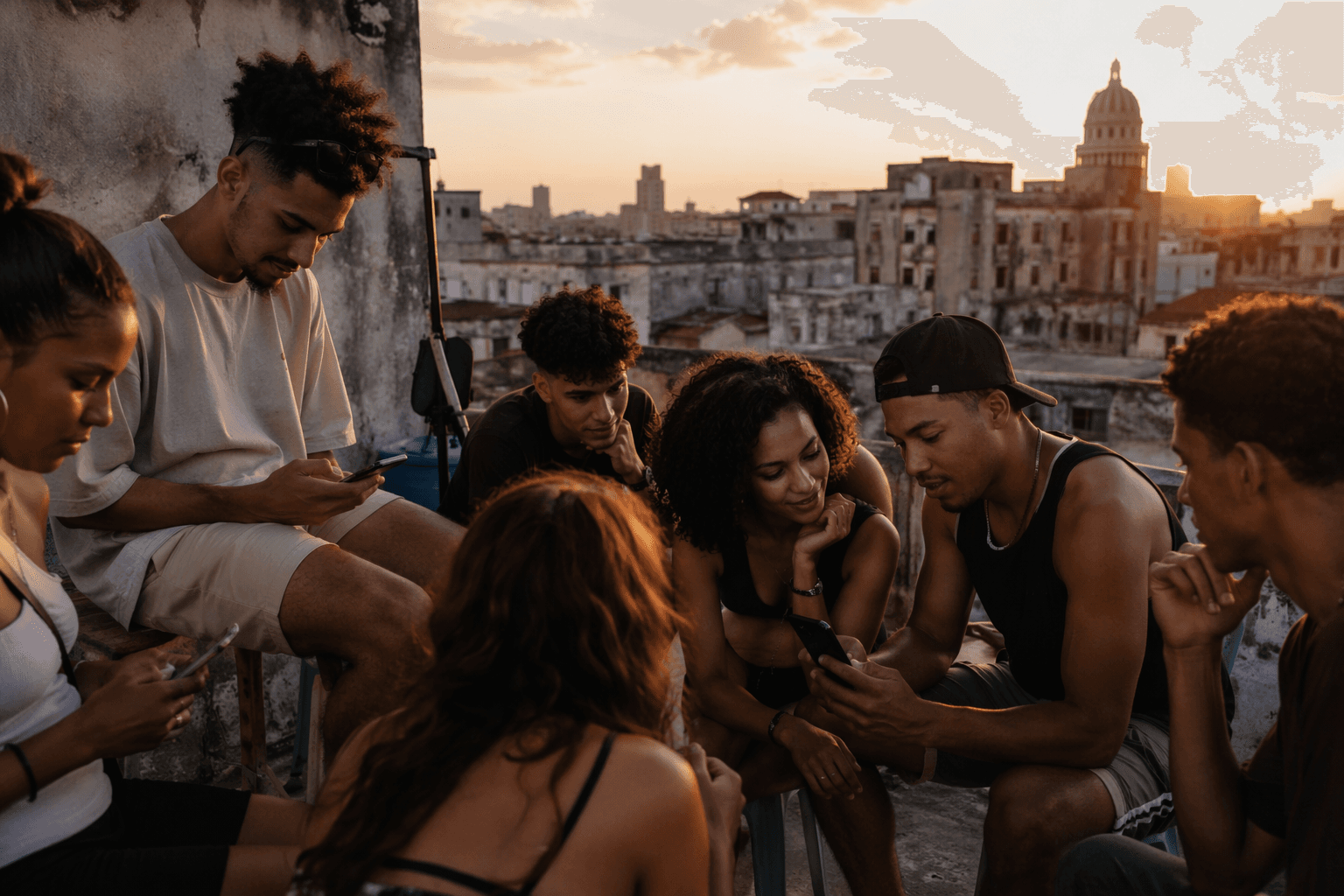
Florida to Cuba care packages fill gaps left by shortages
Florida family boxes have become a parallel welfare system in Cuba, carrying rice, milk, medicine and shampoo when blackouts and shortages leave state shelves empty.

When the power goes out for 20 hours and a pharmacy has nothing, the package from Florida becomes the thing that keeps a household moving. Across Cuba, families and donors in South Florida have turned care boxes into an unofficial humanitarian supply chain, sending food, medicine and toiletries that now function less like gifts than like survival.
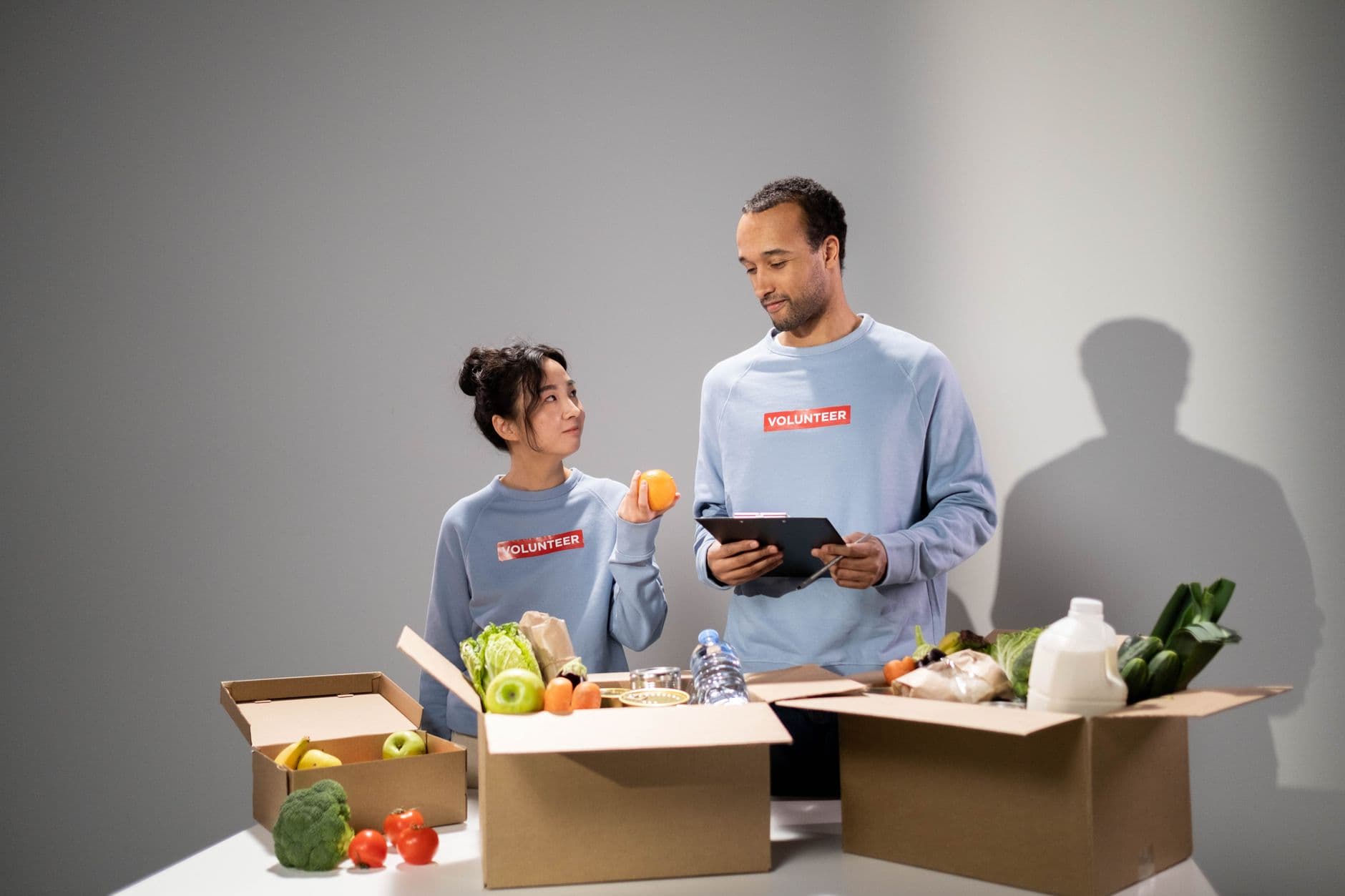
The flow runs through relatives in Miami, Hialeah, Westchester and Little Havana, then through shipping companies and informal delivery networks that get goods to homes on the island. Crowley says its gift parcels can include non-perishable food, medicine, personal hygiene items and household hygiene items, and that it delivers to all provinces in Cuba, including Isla de la Juventud. It also says home-donation items weighing 10 to 100 pounds can be delivered to any province. In South Florida, demand has been intense enough that CubaMax limited customers to one box each as residents rushed to send aid.
What goes into those boxes is practical, not symbolic: powdered milk, rice, beans, shampoo and medicine, the kinds of basics that have disappeared from ordinary shelves or become too expensive for many families to buy regularly. The result is a parallel welfare system built by households themselves. When those deliveries slow, the break in daily life is immediate. Meals shrink, chronic illnesses go untreated, and families are forced to choose between food, medicine and utilities.
That pressure has deepened as Cuba’s broader crisis worsened. In May, United Nations officials said hospitals were suspending surgeries because blackouts and fuel shortages were disrupting care. They said more than 100,000 patients, including 11,000 children, were waiting for delayed operations, while about five million Cubans living with chronic illnesses were at risk of interruptions to life-sustaining treatment. On June 8, Volker Türk, the U.N. human-rights chief, said daily blackouts were frequently exceeding 20 hours after fuel reserves fell sharply by mid-May, essential medicines were down to about 30 percent of needed supply levels, and food production had dropped by roughly 60 percent.
Washington says U.S. law allows exemptions and authorizations for exports of food, medicine and other humanitarian goods to Cuba, and that some donations of food to nongovernmental organizations or individuals are not prohibited. But on the ground, families have kept leaning on the Florida pipeline because the official system has not kept pace. Human Rights Watch said Cuba requested help from the World Food Programme in February 2024, after a nationwide blackout later that year affected 10 of the island’s 11 million people and left some areas without electricity for up to 70 hours.
The boxes leaving Florida now carry more than groceries. They carry the difference between a household that can keep going and one that stalls the moment the lights go out.
This article was produced by Prism’s automated news system from verified source data, official records, and press releases, then run through automated quality and moderation checks before publishing. The system is built and supervised by the people who set the standards it runs under. Read our full AI policy.
Did this article answer your question?