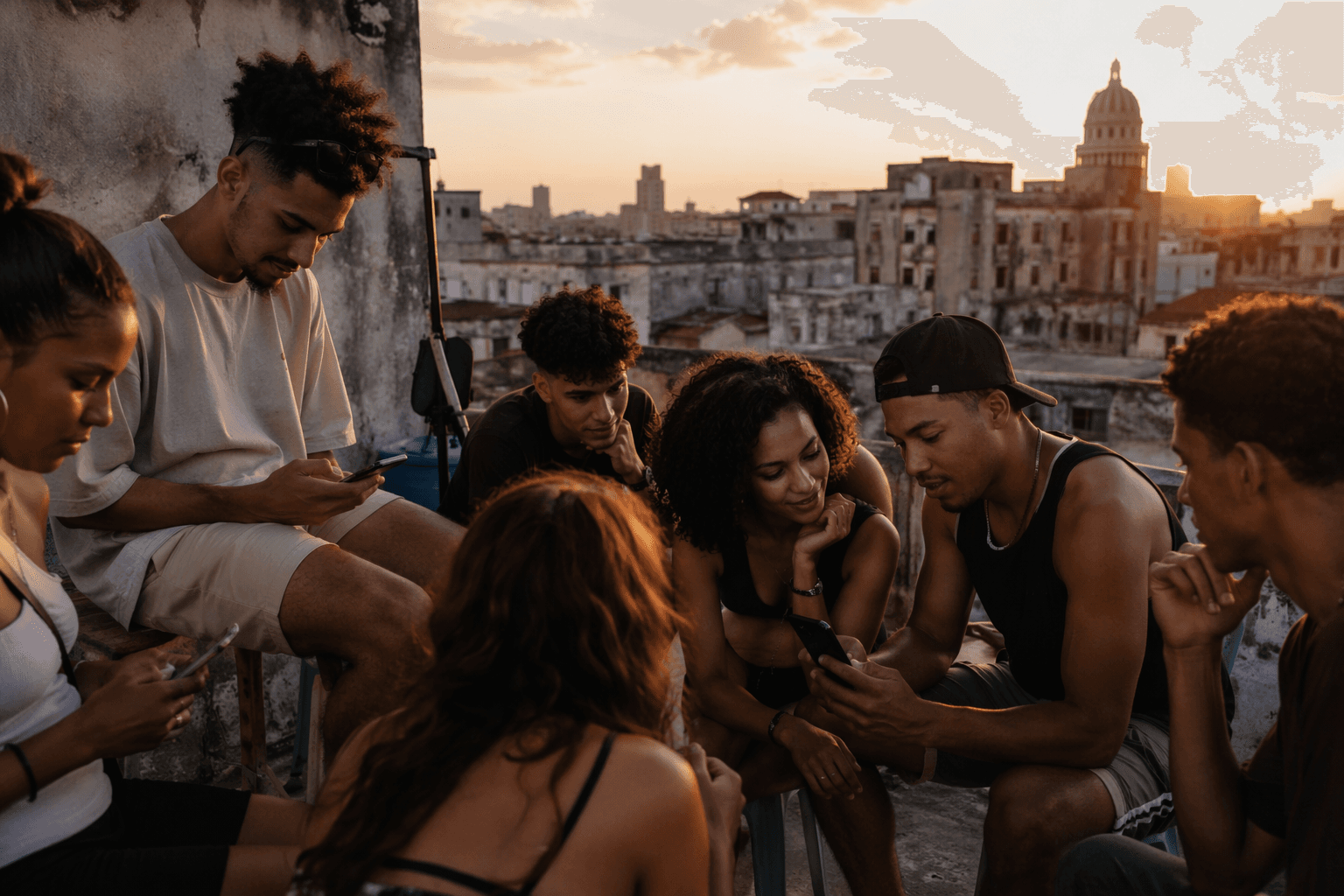
Havana activist Anna Bensi defies surveillance with social media videos
Anna Bensi kept posting from home confinement after Cuban authorities moved against her for filming a summons delivery. Her videos turn blackouts, poverty and fear into a public record of life in Havana.

Anna Bensi kept posting videos on TikTok, YouTube and Facebook after Cuban authorities placed her and her mother under home confinement in March 2026. The 21-year-old Havana activist, whose public name is Ana Sofía Benítez Sirvente, has used short clips to show blackouts, shortages and the pressure of state surveillance while making a direct case for freedom.
Her case escalated after she recorded and posted the delivery of a police summons on March 10, 2026. Cuban authorities accused her and her mother, Caridad Silvente, under Article 393 of the Cuban Penal Code, then imposed home confinement and other restrictions. By April, the Havana Provincial Prosecutor’s Office had shelved the case after investigators had pursued them for filming a plainclothes agent who came to their home. That decision also lifted precautionary measures, including bans on travel between provinces and abroad.
Bensi’s videos fit a new pattern in Cuban dissent, one shaped less by underground pamphlets and more by phones, unstable internet and the discipline of posting through disruption. Amnesty International says Cuba’s 2025 blackouts affected the rights to health and education, while access to food and medicines deteriorated sharply. The group also cited the Food Monitor Program’s finding in May 2025 that 96.91 percent of the population had lost access to food because of inflation, and the Cuban Observatory of Human Rights’ estimate in September 2025 that 89 percent of Cubans were living in extreme poverty.

The state’s response has evolved too. Amnesty says repression now includes criminalization, arbitrary detention, harassment, home surveillance and both blanket and selective internet shutdowns, along with administrative sanctions under rules such as Decree 370. The Committee to Protect Journalists said at least eight journalists and media workers from non-state outlets were questioned by Cuban State Security in September 2024, after the Social Communication Law took effect on October 4, 2024 and effectively outlawed journalism outside official state media. That same climate now reaches activists like Bensi.
Her appeal also comes from generational timing. Reuters reported that just over 20 University of Havana students staged a rare protest on March 9, 2026 over energy and internet shortages, a reminder that frustration is no longer confined to social media. Bensi has said she would struggle to live on a monthly salary of 3,000 pesos even with a diploma in dental prosthetics, and her videos channel that same calculation: a young Cuban weighing silence against the cost of speaking openly.
This article was produced by Prism’s automated news system from verified source data, official records, and press releases, then run through automated quality and moderation checks before publishing. The system is built and supervised by the people who set the standards it runs under. Read our full AI policy.
Did this article answer your question?