Havana woman confronts Interior Ministry officer amid blackout protests
A Havana woman confronted a MININT officer amid blackout protests, turning a street dispute over spoiled food and power cuts into a sharper challenge to the state.
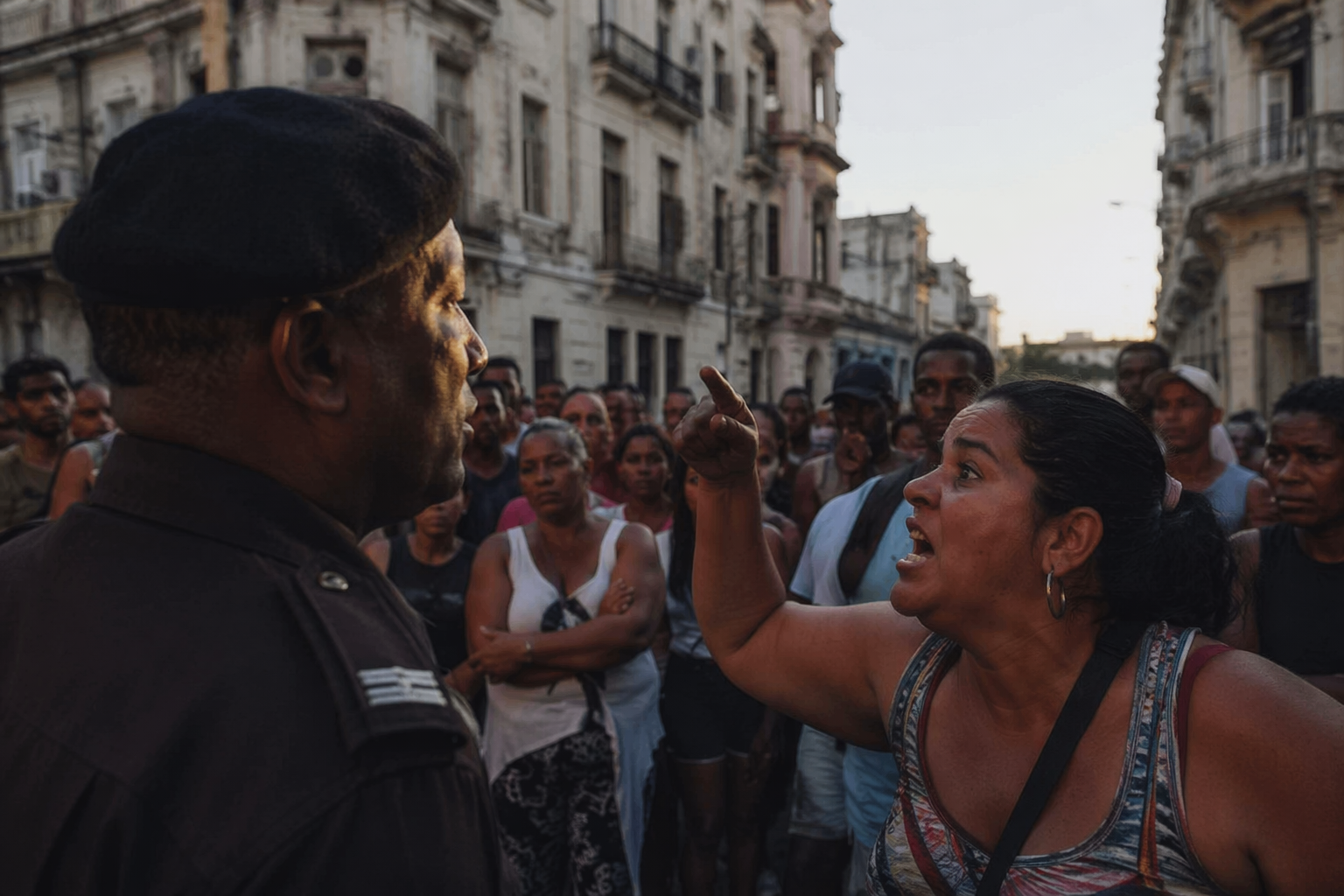
A Havana woman cut through a blackout protest with a direct challenge to a Ministry of the Interior officer, turning a street scene of burning trash barricades and approaching police vehicles into a blunt test of how much fear still governs Cuba’s neighborhoods. As the crowd gathered, she warned that security informants were coming to repress the people, then pressed the officer on the most basic question in the crisis: who would answer for spoiled food, no electricity, and a daily life that no longer works.
The confrontation landed because it was so practical. She said her food had gone bad during the blackout and demanded compensation, a demand that stripped away the official language of order and discipline that Cuban authorities rely on when describing unrest. When the officer tried to defend the system, she challenged him to stop hiding behind the uniform and stand with the people who are enduring the same electricity cuts. In that moment, the protest was no longer just about power lines or service failures. It became about dignity, accountability, and whether ordinary Cubans still believe anyone in authority will listen.
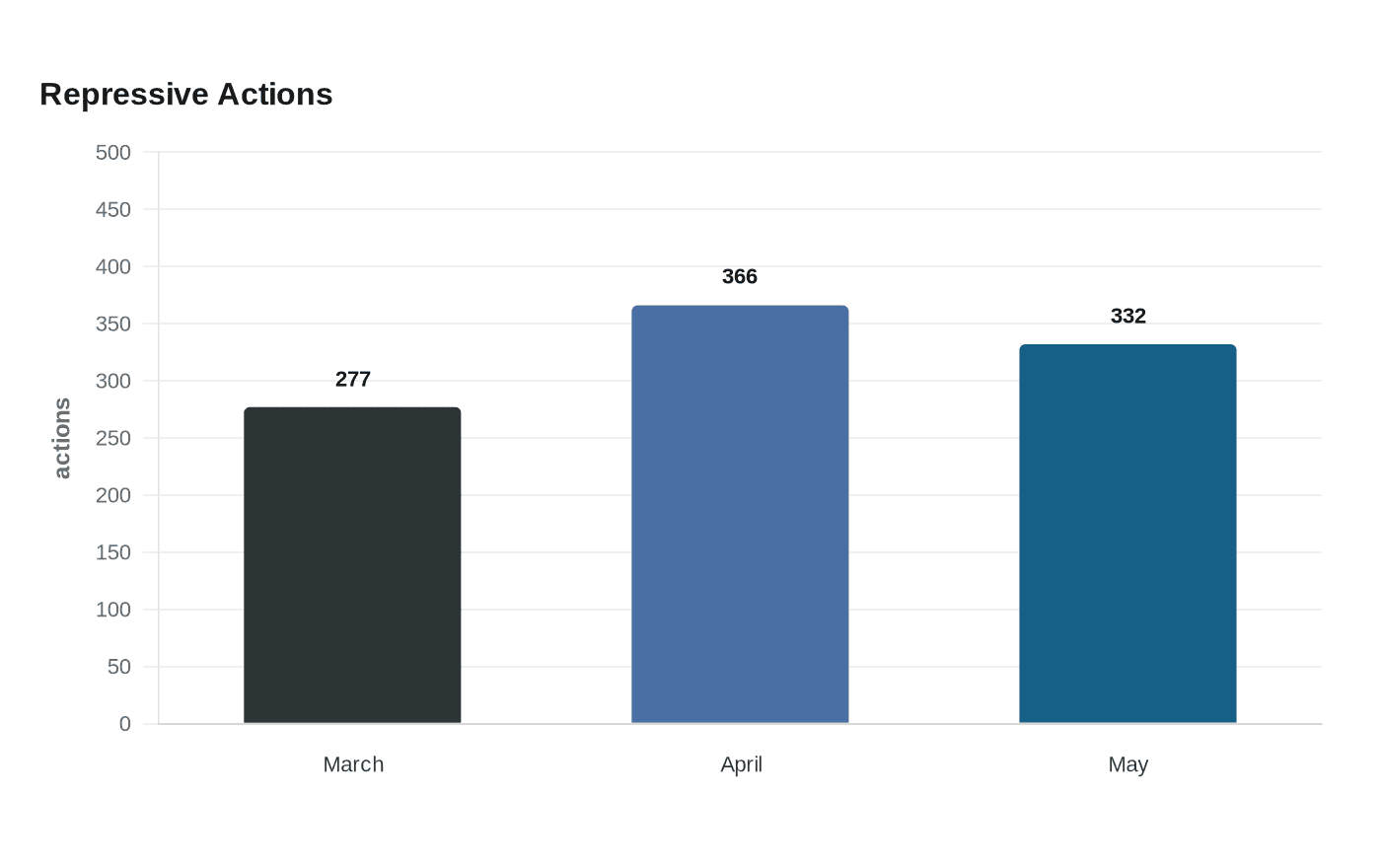
That exchange fits a broader pattern moving through Havana and beyond. Protests have been reported in Centro Habana, Carlos III, San Miguel del Padrón, and La Güinera, while May demonstrations also spread through Lawton, Luyanó, Santo Suárez, and Guanabacoa. The Cuban Conflict Observatory has described the unrest as part of a sustained wave, not an isolated flare-up, and the numbers from the Observatorio Cubano de Derechos Humanos show the pressure building: at least 277 repressive actions in March, 366 in April, and 332 in May.
The underlying conditions are severe. Human Rights Watch has said Cubans have faced blackouts lasting up to 20 hours a day, alongside acute shortages of food, medicine, and other essentials. Reuters reported an islandwide blackout on March 16, 2026, in a country of about 11 million people, and later described Havana enduring some of its worst rolling blackouts in decades. Separate reporting on May protests said at least 14 people had been detained in Havana since March 6 in connection with pot-banging demonstrations.
Cuban government messaging has continued to blame U.S. sanctions and fuel restrictions, while the state’s own response has become more visible in the streets. But the Havana woman’s confrontation showed how the tone has changed: when blackout anger meets hunger and repression, the argument is no longer abstract. It is a public demand for a life that still makes sense.
This article was produced by Prism’s automated news system from verified source data, official records, and press releases, then run through automated quality and moderation checks before publishing. The system is built and supervised by the people who set the standards it runs under. Read our full AI policy.
Did this article answer your question?